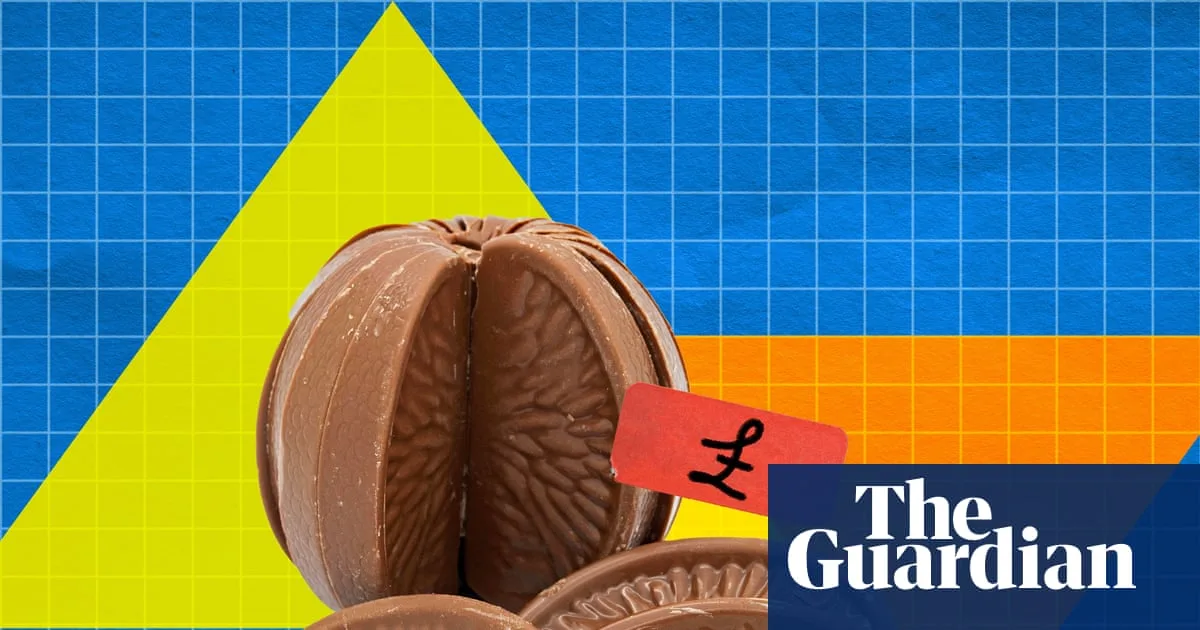
This Christmas, a festive favourite has undergone a stark transformation. The iconic Terry's Chocolate Orange now costs significantly more and contains noticeably less, a double blow for consumers that symbolises a wider trend of 'shrinkflation' hitting UK treats.
The Shrinking, Costly Reality of Festive Treats
You are not imagining it – your Chocolate Orange is smaller. This year's product weighs 12 grams less than it did in December 2022, a reduction of 8%. This follows a previous 10% cut in 2016. Meanwhile, the financial bite is even sharper. Data from market researchers Assosia reveals the full price across major supermarkets has leapt from £1.24 in December 2022 to approximately £2.25 today. That's an 81% price increase, which rises to a staggering 96% more per gram when the shrinking size is factored in.
This phenomenon extends far beyond the Chocolate Orange. Other Christmas staples like Toblerone and boxes of Quality Street have also been subject to downsizing. Some snacks have even been rebranded as "chocolate flavour" rather than chocolate, as they now contain more palm and shea oils than costly cocoa.
Why Cocoa, Sugar and Climate are Crushing Costs
The core reasons are a perfect storm of rising input costs. Mondelez International, the global giant behind Cadbury and Toblerone, cites "significantly higher input costs" across its entire supply chain, from ingredients to energy, transport, and wages.
The climate crisis sits at the heart of the ingredient price surge. Over 60% of the world's cocoa originates from West Africa, specifically Ivory Coast and Ghana. In 2023, these regions were devastated by extreme rainfall, triggering black pod disease, followed by severe drought and a resurgence of swollen shoot virus. "To get rid of it you have to rip the tree out, treat the soil and then plant a new tree," explains Chris Jaccarini, a food and farming analyst at the Energy and Climate Intelligence Unit. Young replacement trees are highly vulnerable to climate stresses.
This plummeting supply collides with growing global demand from nations like India and China. Consequently, cocoa prices hit a record $12,000 (£9,000) per tonne late last year – triple their 2023 level and double the 2022 price. Jason Archie-Acheampong of the Fairtrade Foundation highlights the volatility, noting farmers outside such schemes are mere "price takers" unable to invest in resilience measures like shade trees.
Sugar is another major culprit, with prices 60% higher than in January 2022. UK sugar beet suffers from aphids and beet moth thriving in warmer winters, while extreme weather in Brazil, India, and Thailand has pushed up cane sugar costs.
Broader Pressures: Wages, Taxes and Retail Rules
The Food & Drink Federation points to additional burdens on UK manufacturers, including a new packaging tax, increased National Insurance contributions, and higher minimum wages. Between January 2020 and September 2025, members' non-labour costs rose by 39%. Julia Buech, a senior analyst at Rabobank, notes similar labour cost climbs across Europe.
In the UK, a recent ban on multibuy promotions for unhealthy foods has removed a key avenue for discounts, recalling the days when supermarkets offered buy-one-get-two-free deals on Chocolate Oranges.
While large manufacturers benefit from scale, smaller producers face even steeper challenges. Adam Levy of the Chocolate Professor website notes that 70% cocoa bars have seen the biggest price increases, as small-batch makers lack purchasing leverage.
For those seeking a sweet deal reminiscent of Christmases past, some bargains remain. The last Chocolate Orange Advent calendars at B&M, priced at just 50p for 106g, offer a fleeting taste of the affordable indulgence that once defined the festive season.




