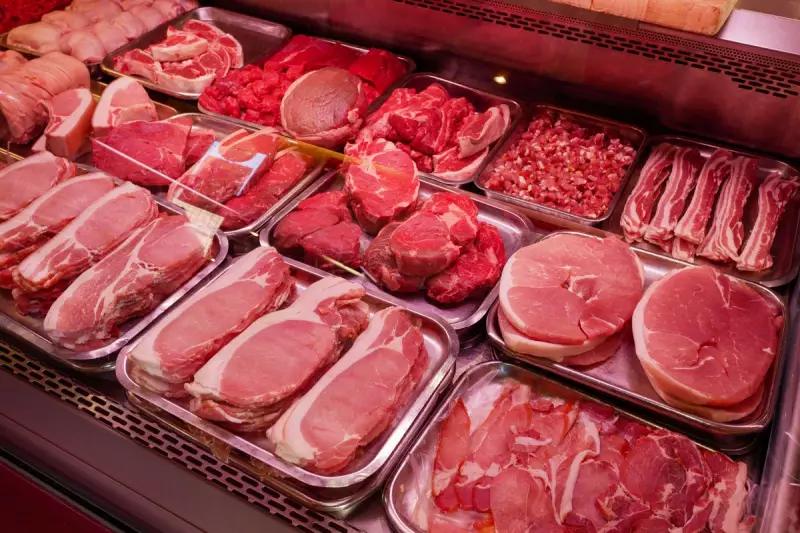
Consumers using popular weight-loss injections could inadvertently contribute to significant price increases for meat this year, a leading food supply expert has warned. Oisin Hanrahan, chief executive of the Tesco-backed supply chain platform Keychain, suggests that heightened demand for high-quality protein from those on GLP-1 medications may help drive price rises of between 10% and 20% on certain items.
The Protein Demand Pressure
Mr Hanrahan explained that a "perfect storm" of factors is keeping food inflation high, including global insecurity, energy costs, and crop diseases. However, a new, specific demand pressure is emerging. Those taking GLP-1 agonist drugs, commonly known as weight-loss jabs, often eat smaller portions. This makes consuming nutrient-dense, high-quality protein crucial for maintaining muscle mass and overall health.
"All those on GLP-1 medications know they need nutrient-dense, high-quality protein – and that is your beef, lamb, chicken and pork," Hanrahan stated. This concentrated demand for premium animal protein, layered atop existing supply pressures, is contributing to upward price momentum. While a 2-5% increase was the hoped-for range, Hanrahan said a jump of 10-20% on certain meats in 2026 "wouldn't surprise" him.

A Stubbornly High Inflation Landscape
The warning comes against a backdrop of persistently elevated food prices. According to analysts Worldpanel, inflation on fresh meat alone was running at 14.5% for the four weeks ending 2 December. Hanrahan highlighted that products like chocolate, coffee, beef, butter, and fruit have seen some of the most "eye-watering" rises recently.
He cited a complex mix of causes: "It’s the result of a perfect storm of factors: crop diseases, bad weather, over-reliance on individual countries, tariffs, new packaging rules and other trade complexities." This has led experts to question if high prices are the "new normal," a prospect Hanrahan argues need not be inevitable, but which won't correct itself without action.
Shopping Flexibility and the Path Forward
In response to the challenging market, Hanrahan urged shoppers to adopt more flexible habits. Going to the supermarket with a rigid list may no longer be the most cost-effective strategy. Instead, being open to buying meat and other products that are on offer could help manage household budgets.
"We can’t be lethargic, waiting for food prices to come down on their own," he cautioned. "The factors causing them to remain high are here to stay." His advice underscores a shifting reality for UK consumers, where the intersection of health trends, global supply chains, and economic pressures is directly impacting the weekly shop.