
UK inflation remained unchanged at 2.8% in May, defying expectations of a rise to 3%, according to official data released on Wednesday. The Office for National Statistics (ONS) reported that slowing food prices helped offset rising transport costs, keeping the headline rate steady.
The benign reading comes three months after Iran choked off oil supplies through the Strait of Hormuz, sparking fears of surging inflation and aggressive interest rate hikes. However, the impact on the cost of living has been more muted than initially feared, with fuel price rises failing to spill over more widely across the economy.
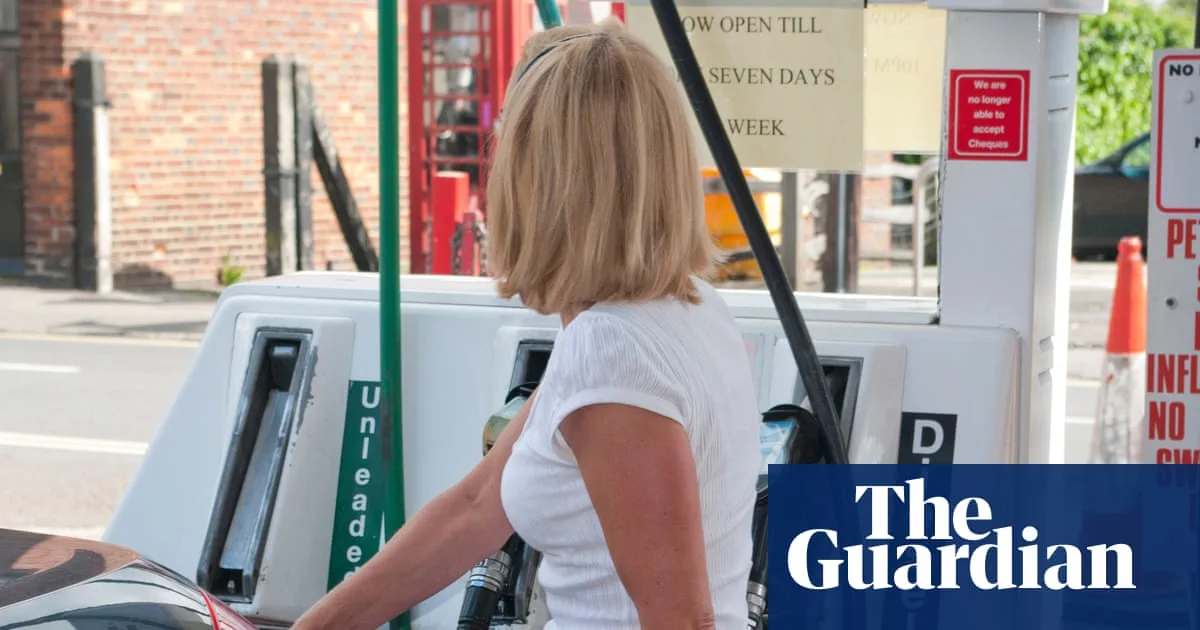
Motor fuel prices in May were 25% higher than a year ago, but food prices fell 0.1% month-on-month. Economists have responded by downgrading their inflation forecasts for the coming months and casting doubt on the prospect of future rate rises. The Bank of England is widely expected to leave interest rates unchanged at 3.75% at its meeting on Thursday.
Andrew Wishart of Berenberg bank noted that the downside surprise was due to lower food and goods prices, suggesting firms lack the pricing power to pass on higher energy costs. The hoped-for reopening of the Strait of Hormuz after a US-Iran peace deal has already pushed oil prices below $80 a barrel, easing pressure on the Bank.
While most analysts still expect at least one rate rise this year, markets now bet it will come in November rather than September. Some economists suggest the next move could be a cut if the jobs market deteriorates further.




