
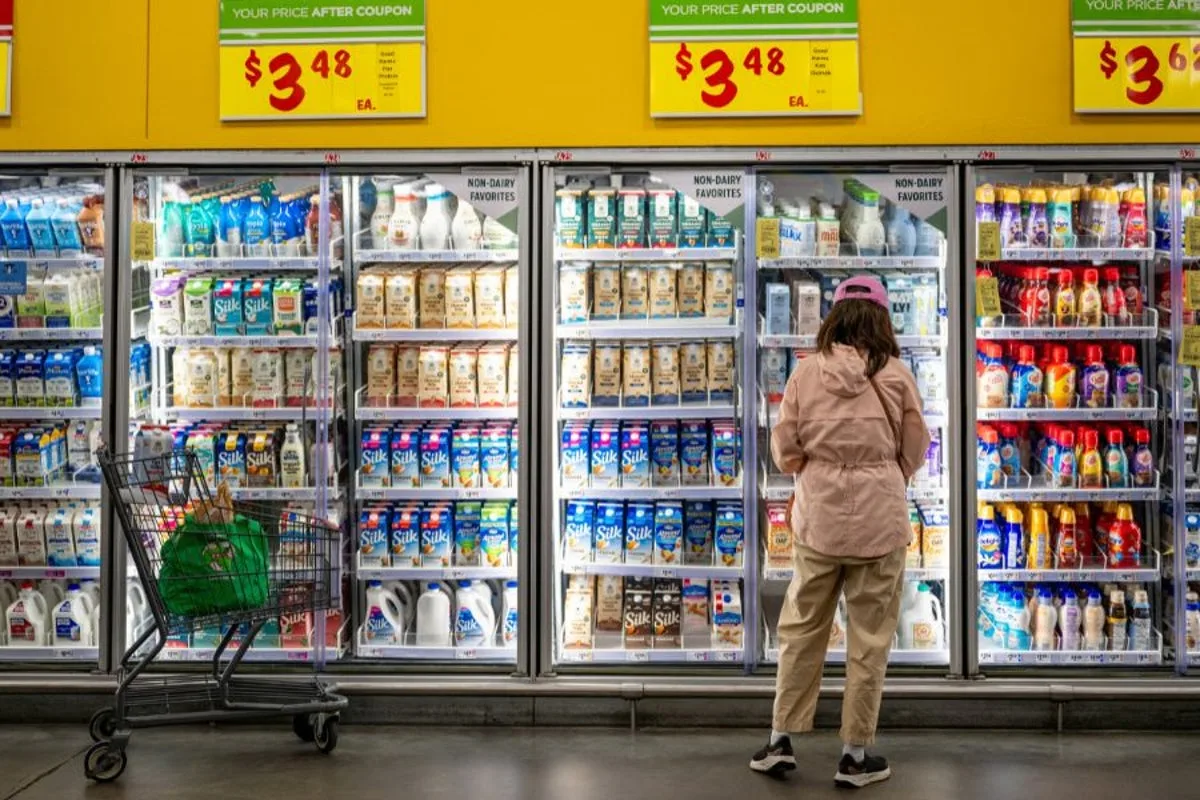
More than half of American adults are experiencing significant financial strain from the rising cost of groceries, according to a new poll by the Associated Press-NORC Center for Public Affairs Research. The survey found that 53 percent of U.S. adults identify grocery prices as a major source of stress, surpassing other common expenses such as credit card debt, child care, and student loans.
The data underscores a persistent affordability crisis despite President Donald Trump's campaign promises to lower food prices. While the administration points to deregulation, tax cuts, and fairer trade policies as solutions, many households continue to struggle. Only 14 percent of respondents said they were not stressed by grocery costs at all.
Other top financial stressors include housing costs (47 percent), personal savings and income (43 percent), and health care expenses (42 percent). The strain has driven some Americans to use Buy Now, Pay Later services for groceries, with 14 percent of respondents reporting use of such options for food purchases.
Experts warn that the situation could worsen due to changes in federal food assistance programs signed into law by Trump. Hunger relief organisations are preparing for increased demand, with some leaders expressing concern that the system may not meet the growing need.
Recent inflation data shows food prices in June were 3 percent higher than a year earlier, according to the Consumer Price Index. While inflation has slowed, food costs remain well above pre-pandemic levels. The Department of Agriculture attributes continued price volatility to supply chain disruptions, the war in Ukraine, avian influenza outbreaks, and climate change.
Egg prices, which dropped 10.8 percent from May to June, were still 27.3 percent higher than a year earlier. Annual egg prices are expected to rise 24.6 percent in 2025 due to the ongoing avian flu outbreak. Poultry prices also increased, rising 0.9 percent month-over-month and 3.4 percent year-over-year. A White House spokesperson defended the administration's approach, stating that as policies take effect, 'the best is yet to come.'




