
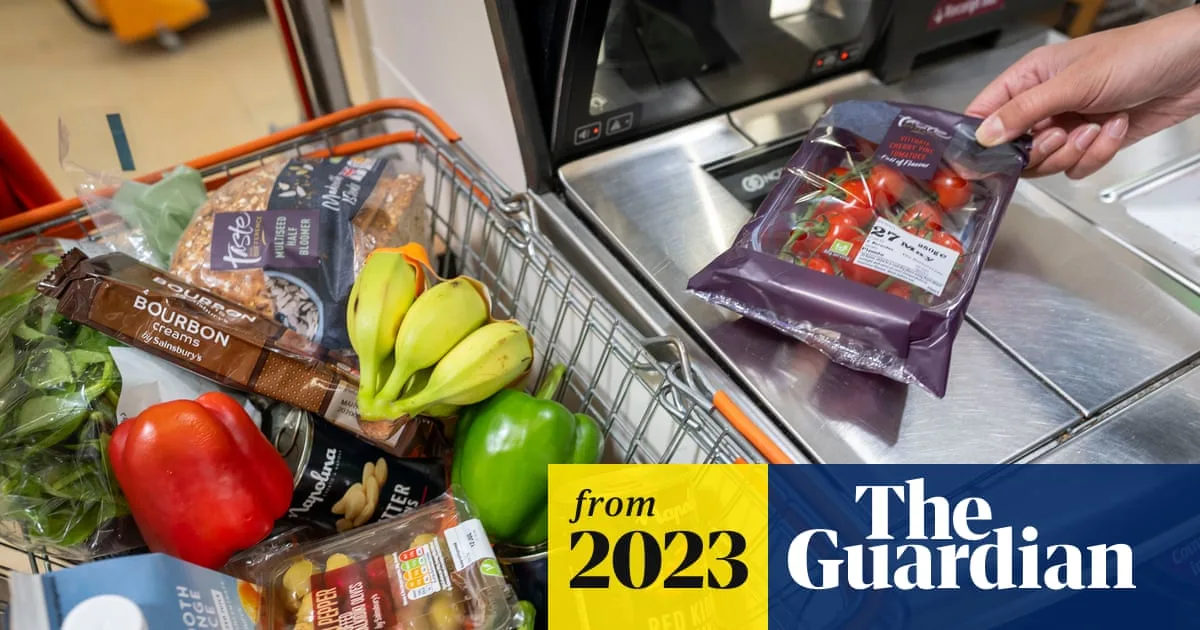
UK inflation fell for the second consecutive month in December, dropping to 10.5% from 10.7% in November, according to the Office for National Statistics. However, the rate remains near 40-year highs, with food and non-alcoholic drink prices soaring 16.8% year-on-year — the largest annual increase since 1977.
Basic staples such as milk (up nearly 50%), bread (up 20%), and sugar and pasta (up over 25%) drove the surge, disproportionately affecting low-income households that spend a larger share of their income on essentials. The Resolution Foundation noted that inflation remains particularly high for these families due to elevated energy and food costs.
The modest overall decline was driven by falling petrol and diesel prices (down 8p and 16p per litre respectively in December) and slower clothing price growth. However, core inflation remains stubbornly high, with economists warning that the cost-of-living crisis is far from over despite the headline drop.
Chancellor Jeremy Hunt reiterated the government's commitment to halving inflation this year, while shadow chancellor Rachel Reeves argued that households are feeling worse off under Conservative leadership. The Bank of England is expected to raise interest rates again in February, with some analysts predicting a 0.5% increase to combat persistent price pressures.
Labour market tightness, driven by long Covid, early retirement among over-55s, and EU visa restrictions, continues to fuel wage growth in certain sectors, raising concerns about a wage-price spiral. However, some experts believe that as inflation has peaked and labour demand softens, the Bank may be nearing the end of its rate hiking cycle.




