
UK inflation rose for the first time in five months to 3.4% in December, according to the Office for National Statistics, as higher air fares and tobacco prices pushed up the annual rate. The figure, up from 3.2% in November, exceeded City economists' expectations of a modest 3.3% rise.
The increase was largely driven by a 28.6% jump in air fares for December, which were compared with particularly low prices a year earlier, and higher tobacco duties introduced by Chancellor Rachel Reeves in the autumn budget. Martin Beck, chief economist at WPI Strategy, said the uptick should not set alarm bells ringing, describing it as largely temporary and technical.
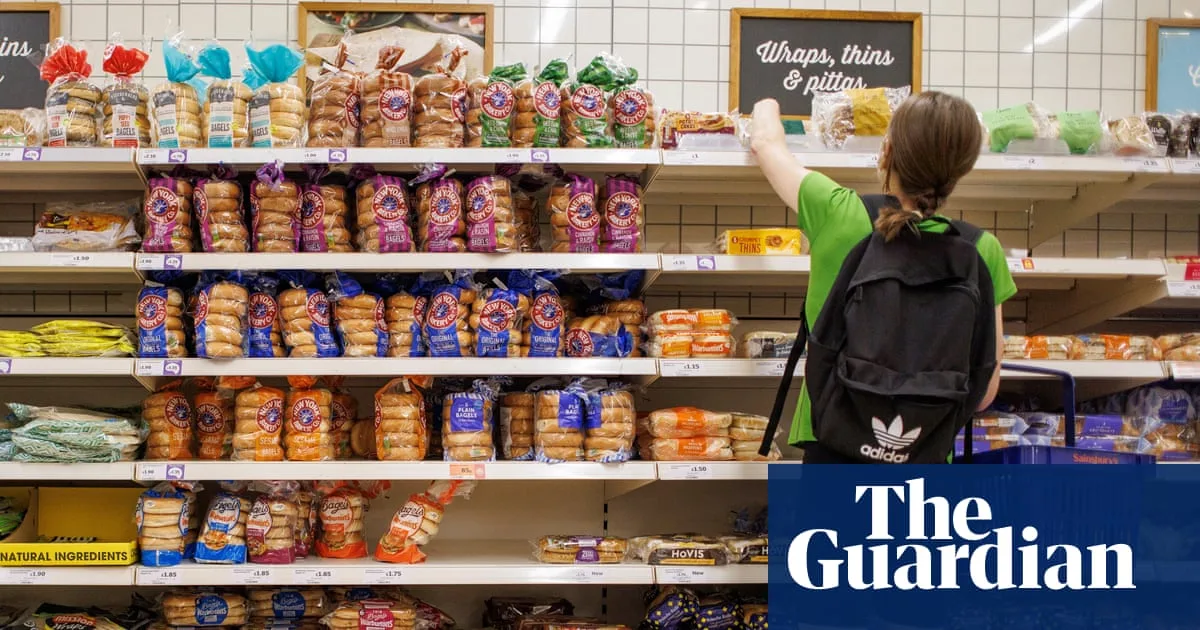
Food inflation continued to climb, reaching 4.5% in December from 4.2% in November, particularly for breads and cereals. Core inflation, which excludes volatile energy and food prices, held steady at 3.2%, while services inflation rose slightly to 4.5% from 4.4%, a smaller increase than expected. Yael Selfin, chief economist at KPMG UK, said the services rise did not reflect domestically generated price pressures and was driven by volatile categories such as air fares.
The larger-than-forecast CPI reading has all but ruled out a Bank of England interest rate cut in February, with traders not fully pricing in a move until June. Many economists still anticipate a cut in April if price growth eases and wage growth softens. Bank governor Andrew Bailey said last month he expected inflation to return to the 2% target by the middle of the year.
Chancellor Rachel Reeves said 2026 would be the 'year that Britain turns a corner' on inflation, pointing to measures including £150 off energy bills, a freeze on rail fares and prescription charges, and increases to the minimum wage. Separate ONS data showed annual private rent growth slowed to 4% in December, the lowest since May 2022, with demand falling and 14% more homes available than a year ago, according to Zoopla.




