
UK inflation fell more than expected in November to 3.2%, its lowest level in eight months, driven by a slowdown in food price rises and Black Friday discounts. The Office for National Statistics reported the consumer prices index eased from 3.6% in October, beating City forecasts of 3.5%.
The drop strengthens the case for the Bank of England to cut interest rates for a sixth time on Thursday. Analysts see a more than 90% chance of a quarter-point reduction from the current 4% base rate, as faltering economic growth and rising unemployment bear down on inflationary pressures.
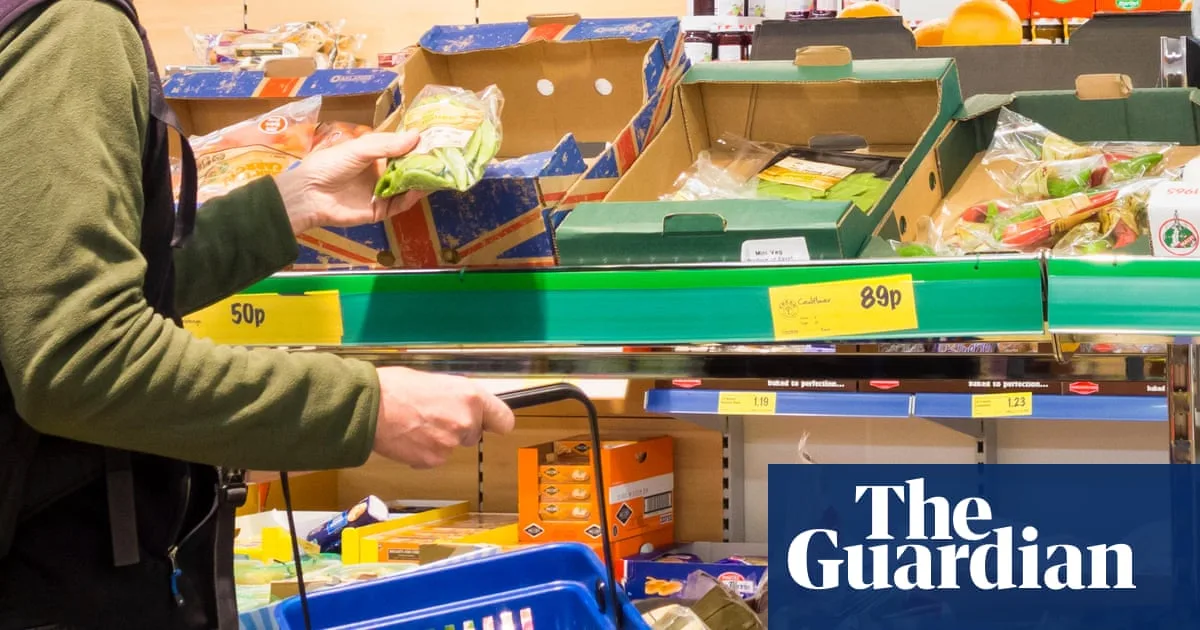
Food and drink price inflation slowed from 4.9% to 4.2%, with notable falls in cakes, biscuits, and breakfast cereals. The British Retail Consortium highlighted extensive Black Friday discounts and pre-Christmas promotions, particularly on meat products like pork, lamb, and chicken. Core inflation, excluding energy and food, also cooled from 3.4% to 3.2%.
Chancellor Rachel Reeves welcomed the fall, stating it would help families worried about bills. However, the headline rate remains well above the 2% target, and shadow chancellor Mel Stride warned that prices are still rising at a concerning pace. Campaigners noted that 7 million households cannot afford essential items this Christmas, with unemployment at pre-pandemic levels and real earnings barely growing.




