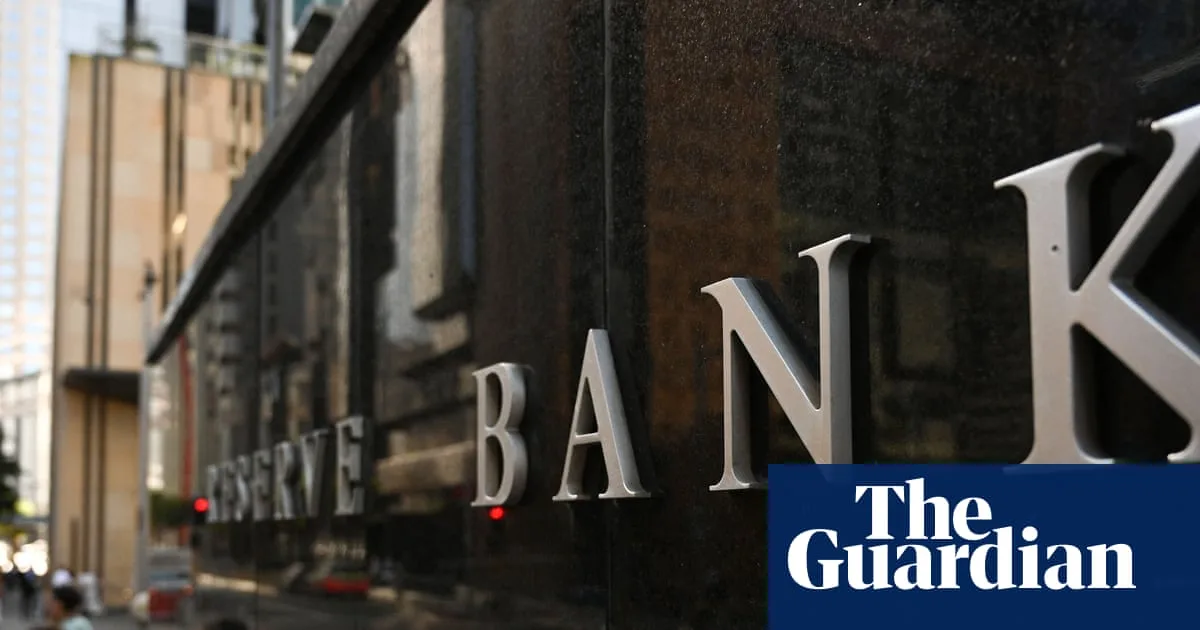
Australian Mortgage Holders Face Rate Relief Delay as Banks Hike Costs
No Australian Rate Cuts Until 2027, Banks Increase Mortgages

Homeowners in Australia have been dealt a double blow, with a leading economist warning that interest rate cuts are now off the table for 2026, just as major banks quietly increase their fixed mortgage rates.

Inflation Stays Stubborn, Dashing Hopes for Rate Cuts

The warning follows the latest inflation data, which presented a mixed picture. While the headline Consumer Price Index (CPI) fell to 3.4 per cent in November from 3.8 per cent in October, beating economist forecasts, the underlying story is less encouraging.

The Reserve Bank of Australia's (RBA) preferred measure, the trimmed mean inflation rate, eased only marginally from 3.3 per cent to 3.2 per cent. This key indicator remains above the RBA's target band of two to three per cent, a level that would be necessary to justify cutting the official cash rate.

Oxford Economics Australia's lead economist, Harry Murphy Cruise, delivered a sobering assessment. "With inflation back above target and domestic demand surging, rate cuts are off the table for 2026," he stated. "We think the RBA will choose patience."

Economic Shifts Push Back Timeline for Relief

Murphy Cruise explained that economic modelling has shifted significantly. As recently as August, both his firm and the RBA expected trimmed-mean inflation to be comfortably around the midpoint of the target band by the end of 2024. "That clearly didn't happen," he noted.

His analysis projects that unemployment will rise from 4.3 per cent to around 4.6 per cent, a shift he suggests will dampen inflation as effectively as an interest rate hike. "The combination of still restrictive rates and higher unemployment will push underlying inflation down to 2.8 per cent by the end of the year, and return to the middle of the target band by 2027," he forecast.

Furthermore, the economist revised the estimate of the neutral interest rate—the level that neither stimulates nor restrains the economy—upwards to 3.35 per cent from 3.1 per cent, indicating the current setting is less restrictive than previously thought.

Banks Move First, Hiking Fixed Mortgage Rates

While the RBA's next meeting is scheduled for February 3, several major lenders have not waited for the central bank's decision, proactively increasing their fixed-rate mortgage offers.

Commonwealth Bank (CBA) led the moves, imposing significant rises. Owner-occupiers seeking a three-year fixed loan now face a rate of 6.19 per cent, a jump of 0.7 per cent. The bank's lowest fixed rate is now a two-year loan at 5.94 per cent after a 0.35 per cent increase.

Macquarie Bank also lifted all its fixed loan rates by 0.25 per cent this week. For borrowers now shopping around, the landscape is varied. According to financial comparison site Canstar, the lowest two-year fixed rate for a $500,000 loan is currently 5.29 per cent from NRMA Insurance.

The moves by CBA and others apply to both new borrowers and existing customers looking to switch to a fixed rate. This activity in the banking sector occurs amid market speculation, with both CBA and NAB predicting the RBA itself will raise the cash rate by 0.25 per cent at its February meeting.

The combined message from economists and lenders is clear: Australian mortgage holders must brace for an extended period of high borrowing costs, with any meaningful relief now pushed well into the future.




