
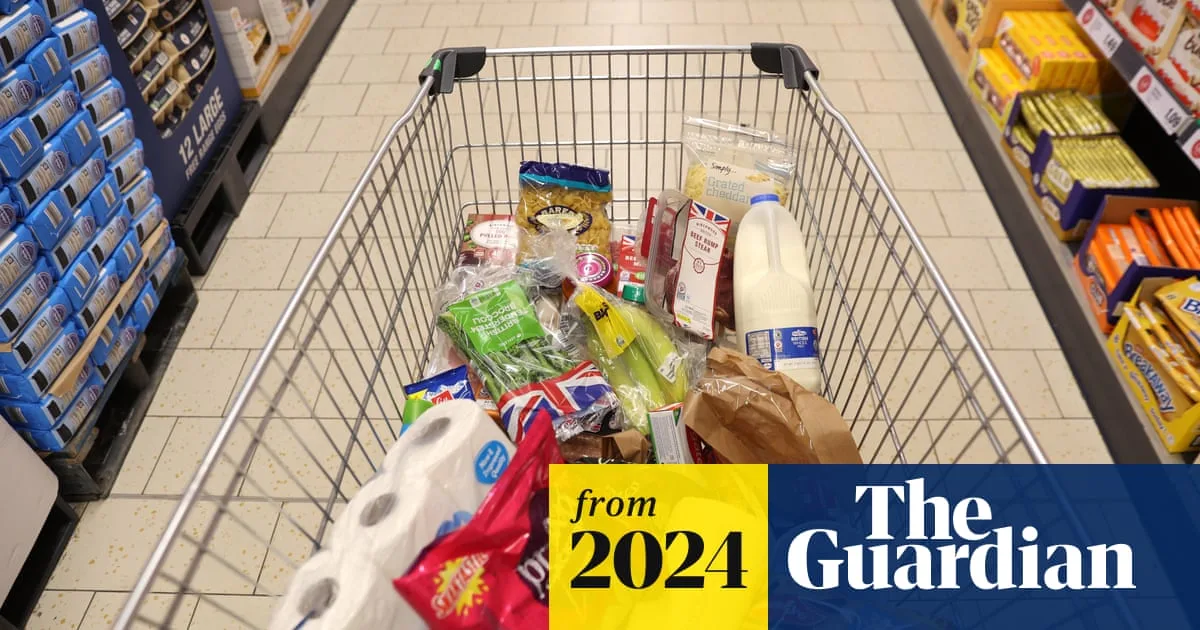
Grocery price inflation in Great Britain has slowed to 3.2%, the lowest rate since November 2021, as the cost of items such as toilet rolls, butter and milk fell. The decline marks the 14th consecutive monthly drop, according to retail analysts Kantar, down from 4.5% in the previous month.
The slowdown was aided by a significant increase in promotional spending, with items bought on offer making up 29% of supermarket sales – the highest level outside Christmas since June 2021. Deals helped shoppers save £1.3bn over the four weeks to 14 April, amounting to £46 per household.
Fraser McKevitt, head of retail and consumer insight at Worldpanel by Kantar, said: “We’ve been monitoring steady annual growth in promotions over the past 11 months as retailers respond to consumers’ desire for value. This emphasis on offers, coupled with falling prices in some categories like toilet tissues, butter and milk, has helped to bring the rate of grocery inflation down for shoppers at the till.”
An early Easter did not dampen seasonal sales, as spending on confectionery topped £100m for the first time in the week up to Easter Sunday. McKevitt noted that higher prices contributed to the record spend, but the number of chocolate eggs sold was also 3% higher than last spring, with 37% of consumers buying one. Hot-cross buns were even more popular, enjoyed by 45% of Britons.
Among grocers, Ocado was the fastest-growing, with sales up 12.5% in the 12 weeks to 14 April. Tesco and Sainsbury’s gained market share to 27.4% and 15.3% respectively. Lidl achieved a record 8% market share, while Aldi reclaimed 10%. Overall take-home grocery sales rose by about 3%.




