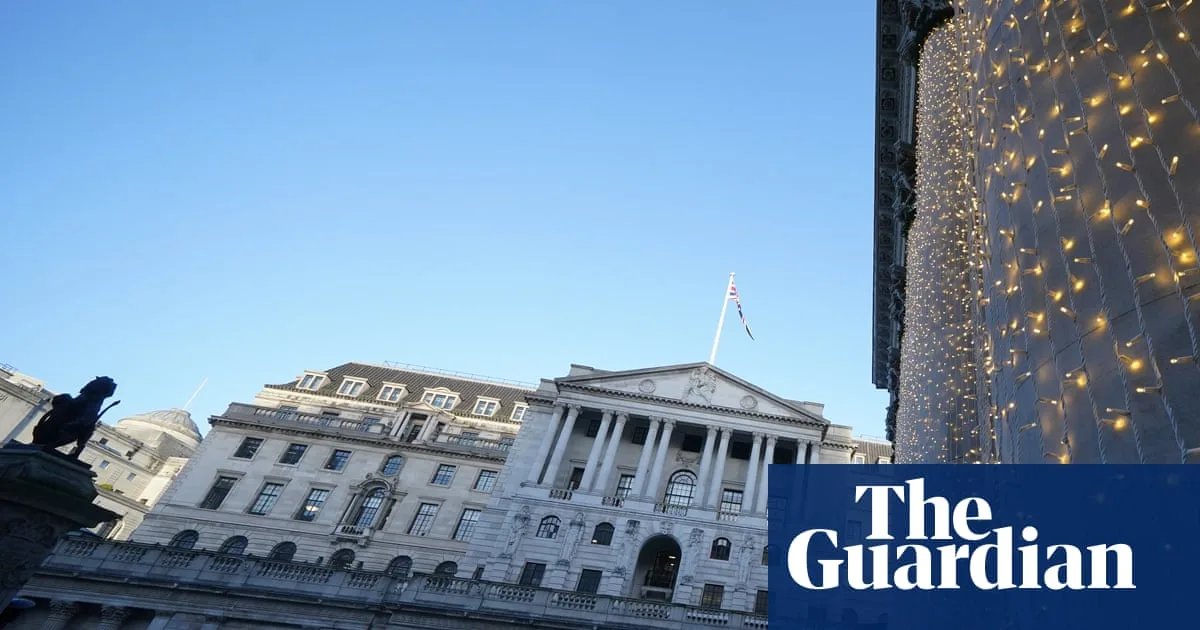
A sharper-than-anticipated fall in inflation last month has all but guaranteed the Bank of England will cut interest rates this week, leading economists have declared.
Black Friday Discounts Drive Surprise Drop
The Office for National Statistics (ONS) reported that the Consumer Prices Index (CPI) inflation rate dropped to 3.2% in November, down from 3.6% in October. This was a more significant decrease than the 3.5% most analysts had forecast, marking the lowest level of inflation since March.
The decline was heavily influenced by widespread Black Friday discounting across the retail sector. Prices for clothing and footwear fell by 0.3% month-on-month, with notable reductions in women's clothing. Furthermore, prices for furniture, games, toys, and hobbies also dropped more than expected during the peak festive sales period.
On a monthly basis, food and non-alcoholic beverage prices decreased by 0.2%. The most substantial falls were seen in bread and cereals, alongside declines in dairy products, sugar, jam, and chocolate. The annual inflation rate for food and drink eased to 4.2% from 4.9%.
Economists Predict Imminent Monetary Policy Shift
Financial experts believe this data provides the final justification for the Bank of England's Monetary Policy Committee to reduce the base rate when it meets on Thursday 18 December 2025. The Bank is widely expected to cut rates from 4% to 3.75%, offering pre-Christmas relief to millions of borrowers.
Thomas Pugh, chief economist at RSM UK, stated: "This will be further evidence for the Bank of England that the disinflationary process is intact and seals the deal for a rate cut tomorrow." He cautioned that inflation might see a temporary rebound in December due to tobacco duty changes and the end of Black Friday promotions, but added the significant drop "opens the door to another rate cut early next year."
Rob Wood, chief UK economist at Pantheon Macroeconomics, said a rate cut on Thursday was now "beyond doubt". However, he warned that much of the surprise drop was concentrated in volatile items like airfares and accommodation, or driven by temporary Black Friday discounts, meaning some effects could "likely reverse" in the coming months.
Mixed Picture for Household Budgets
Despite the overall positive trend, the experience for individual shoppers remains varied. Sarah Coles, head of personal finance at Hargreaves Lansdown, pointed out that supermarket bills still depend heavily on what consumers buy. She highlighted ongoing sharp annual price rises for specific items, including beef and veal (up 27.7%), whole milk (up 14.8%), and butter (up 12.1%), linked to pressures on cattle farmers and production costs.
In response to the data, Chancellor Rachel Reeves reiterated that lowering household bills was a "top priority," welcoming the fall in inflation for worried families. She linked the government's budget measure to cut £150 off average energy bills to helping reduce prices further. Chief Secretary to the Treasury, James Murray, acknowledged ongoing concerns about food costs ahead of Christmas and pointed to new trade deals as a potential solution to ease pressures from global commodity prices.
The ONS's preferred measure, CPIH (which includes owner-occupiers' housing costs), fell to 3.5% in November from 3.8%. The Retail Prices Index (RPI) also slowed, dropping to 3.8% from 4.3% the previous month.




