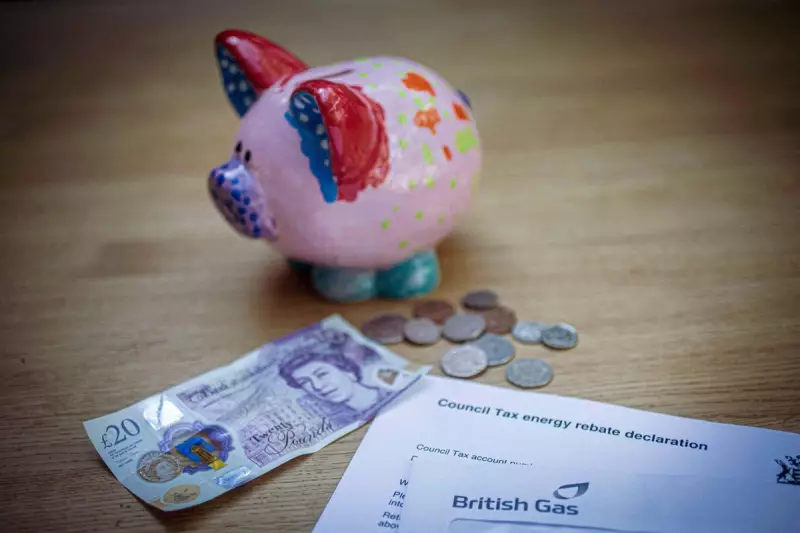
British households have endured what is being described as a 'miserable' financial year, grappling with substantial across-the-board increases in essential bills that have pushed budgets to the brink.
The Staggering Cost of 'Awful April' and Beyond
This year's financial pain was sharply intensified by a series of spring price rises, dubbed 'Awful April'. According to analysis from the comparison site Uswitch, the cumulative effect of these hikes, combined with persistently high energy costs, meant the average household faced an annual increase of £1,254 from essential bill rises.
The burden was widespread. In most areas of England, council tax bills rose by the maximum permitted 5%. Several authorities, including Birmingham, Bradford, Newham, Somerset, Trafford, and Windsor & Maidenhead, were granted special dispensation to impose even steeper increases.

Water bills surged by an average of £123 per year, marking the largest annual rise since the industry's privatisation in 1989. Broadband, mobile phone, TV licence, and vehicle excise duty costs also climbed, with electric vehicles losing their previous exemption from car tax.
Energy Debt Hits Crisis Levels
The energy sector remained a critical pressure point. Ofgem's price cap, which governs bills for households on standard variable tariffs, started 2025 at £1,738 for an average home. It is set to close the year at £1,755 and will rise again to £1,758 on 1 January.
Sabrina Hoque, a spokeswoman for Uswitch, revealed the severe consequences: "Energy debt hit an eight-year high in October, with households now owing £780 million to their suppliers." The strain is so acute that more than two million homes say they will not turn their heating on this winter—a figure one-fifth higher than the previous year.
Telecoms costs are adding to the squeeze, with average annual jumps of £21.99 for broadband and £15.90 for mobile contracts. Most major providers have announced further increases for new customers, with some monthly bills set to rise by up to £4.
A Call for Action and Targeted Support
Hoque urged consumers to proactively manage their contracts: "For many broadband and mobile customers, bills are set to rise again in April 2026. If you are out of contract or your deal is set to expire ahead of April, it is time to take action. You could save an average of £203 a year by switching to a new broadband deal."
Dame Clare Moriarty, chief executive of Citizens Advice, stressed that the cost-of-living crisis is far from over. "Stubbornly high bills and increasing living costs mean four million people are in a negative budget, meaning they can’t afford essentials like energy bills, rent, or food," she said.
Moriarty called for more robust government intervention: "Everyone should be able to afford the essentials and that’s why better targeted support is crucial. We want the Government to increase Local Housing Allowance and improve bill support to ensure sky-high utility costs don’t continue to stretch household budgets beyond breaking point."
The data paints a stark picture of a nation still wrestling with a profound cost-of-living crisis, where strategic bill management and enhanced state support are becoming necessities for millions.