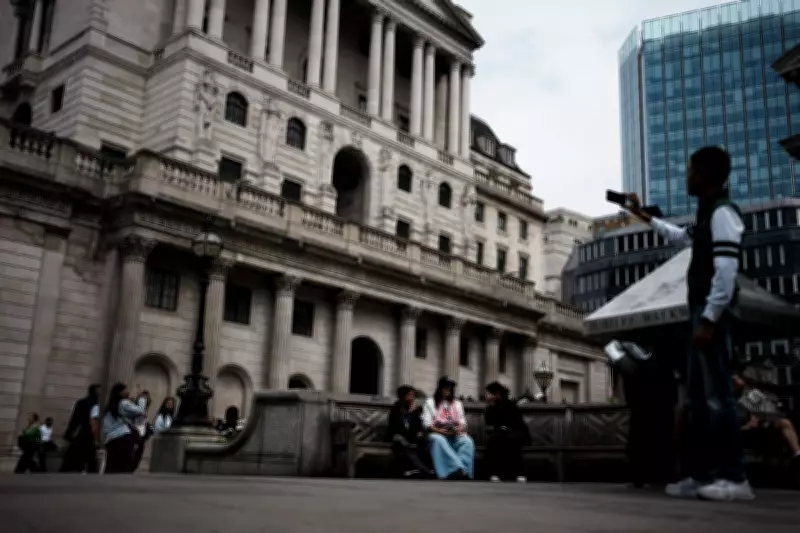
The Bank of England is poised to hold its inaugural interest rate vote of 2026 on Thursday, with financial markets and analysts widely expecting a decision to maintain the current rate. This comes after a series of reductions in 2025, culminating in a December cut to 3.75 per cent, as the Monetary Policy Committee (MPC) adopted a measured and cautious strategy to navigate economic uncertainties.
Inflation Surprise Complicates Rate Cut Prospects
An unexpected rise in inflation to 3.4 per cent last month has significantly dampened expectations for further rate cuts in the near term. This uptick presents a challenge for the MPC, which must now await new economic data to confirm a sustained downward trend before considering additional monetary easing. The persistence of inflationary pressures, coupled with other economic factors, makes a hold the most likely outcome for this meeting.
Balancing Act for the Monetary Policy Committee
The MPC is currently engaged in a delicate balancing act, weighing multiple conflicting indicators within the UK economy. On one hand, the committee must address stubborn inflation that remains above target levels. On the other, it faces sluggish economic growth, persistently high wage increases, and a concerning rise in unemployment rates. This complex economic landscape requires careful navigation to avoid either reigniting inflation or stifling economic recovery.

Impact on Consumers and Borrowers
Higher interest rates typically translate to increased mortgage repayments for homeowners not secured on fixed-rate deals, adding pressure to household budgets during a cost-of-living squeeze. Conversely, savers benefit from improved returns on deposits, offering some relief to those with cash reserves. The MPC's decisions thus have direct and immediate consequences for both borrowers and savers across the nation.
The Bank of England's cautious approach throughout 2025, which saw four consecutive rate reductions, reflects its commitment to data-driven policymaking. As the first vote of 2026 approaches, all eyes will be on Threadneedle Street for signals about the future direction of monetary policy in a still-volatile economic environment.