US Energy Secretary Chris Wright Visits Venezuela to Assess Oil Industry Overhaul
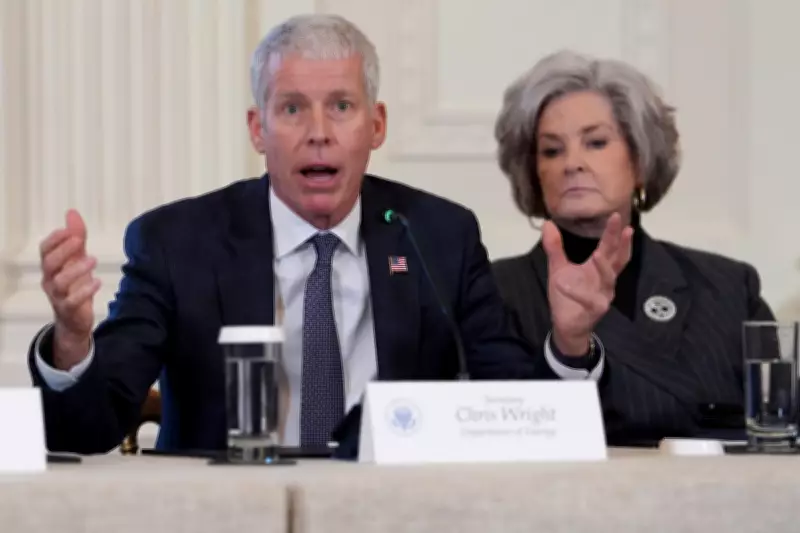
The United States government has intensified its involvement in revitalising Venezuela's struggling oil industry, with Energy Secretary Chris Wright arriving in the South American nation on Wednesday for a direct evaluation of the sector. This move underscores the US administration's self-appointed role in overseeing the transformation of Venezuela's dilapidated energy infrastructure.
Background and Context of the Visit
Wright's visit coincides with ongoing efforts by the administration of US President Donald Trump to ease sanctions, permitting foreign companies to operate in Venezuela and assist in rebuilding its most critical industry. This development follows the enactment last month of a Venezuelan law that opens the oil sector to private investment, marking a significant departure from the socialist policies that have governed the country for over two decades.
The new legislation reverses a key tenet of the ruling movement, which previously favoured the state-run oil company, PDVSA. Under the updated law, private companies now gain control over oil production and sales, effectively ending PDVSA's monopoly in these areas and over pricing mechanisms. Additionally, the law introduces provisions for independent arbitration of disputes, moving away from the previous requirement that conflicts be resolved solely in Venezuelan courts, which are perceived as influenced by the ruling party.

Meetings and Political Dynamics
During his stay, Wright is scheduled to meet with acting President Delcy Rodríguez, along with various government officials and oil executives. Rodríguez assumed her role after the dramatic seizure of former President Nicolás Maduro in a US military operation in Caracas on January 3. She proposed the overhaul of Venezuela's energy law after Trump announced plans for the US to take control of the country's oil exports and attract foreign investment to rejuvenate the ailing industry.
Rodríguez's administration anticipates that these legal changes will provide reassurances to major US oil companies that have been hesitant to re-enter Venezuela due to its volatile political and economic climate. Many of these firms suffered financial losses when the existing law was implemented two decades ago, prioritising PDVSA at the expense of private investors.
Implications for Foreign Investment
Foreign investors view the inclusion of independent arbitrators as a crucial safeguard against potential future expropriation, enhancing the attractiveness of Venezuela's oil sector. The involvement of the US Energy Secretary signals a deepening commitment to stabilising and modernising the industry, which is vital for both Venezuela's economy and global energy markets.
This visit highlights the ongoing geopolitical shifts in Latin America, as the US seeks to leverage economic and diplomatic tools to influence regional energy policies. The outcome of Wright's assessment could shape future investment flows and regulatory frameworks in Venezuela's oil industry.