UK Gas Supply Not Limited to Two Days: Government Rejects Panic Claims
UK Gas Supply Not Limited to Two Days: Government Rejects Panic

UK Gas Supply Not Limited to Two Days: Government Rejects Panic Claims

Britain's official national gas network has strongly refuted alarming claims that the country possesses merely two days' worth of gas supply. These assertions have sparked concerns amid escalating tensions in the Middle East, but authorities emphasise there is no cause for panic.

Storage Figures and Misleading Interpretations

Recent analysis of data from National Gas, which owns and operates the nation's gas transmission system, indicated that storage levels stood at 6,999 gigawatt hours (GWh) on a recent Saturday. This represents a decrease from 9,105 GWh recorded during the same period last year.

While it is technically accurate that if the UK relied exclusively on stored gas without any replenishment, supplies would deplete in approximately 3.5 days based on average daily consumption of 2,000 GWh, this scenario is purely hypothetical. In reality, storage levels have already increased to 7,510 GWh by Tuesday, demonstrating the dynamic nature of gas reserves.

Diverse Supply Sources and System Resilience

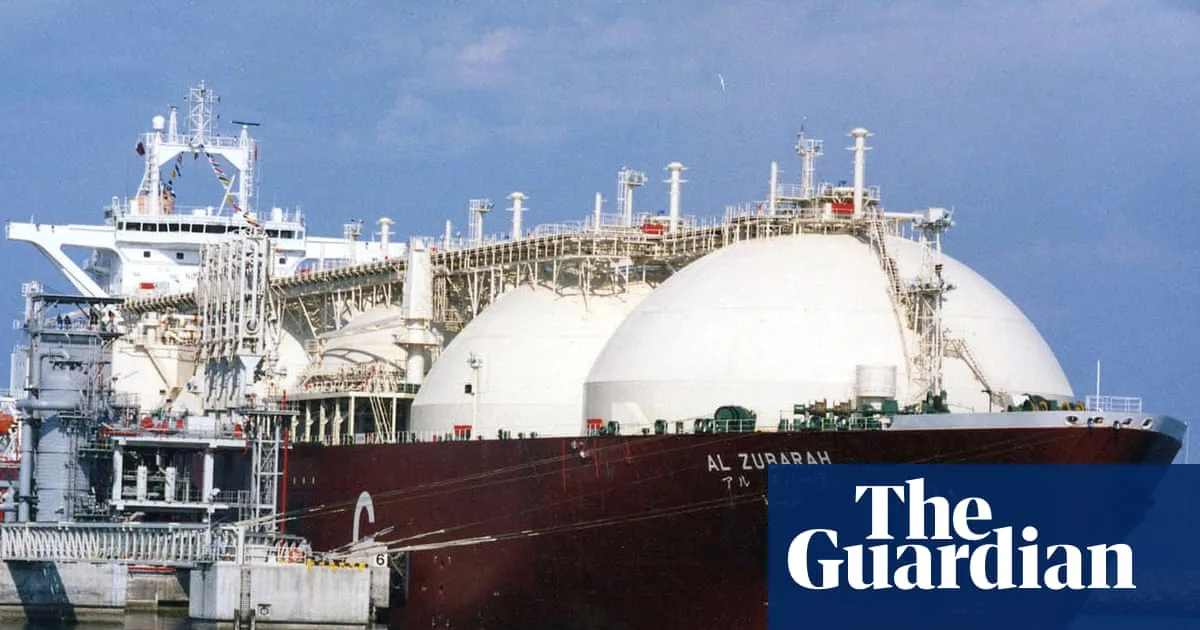
The UK's gas supply is not dependent on storage alone. It is continuously replenished through multiple channels including Norwegian pipelines, domestic production from the North Sea, and imports of liquified natural gas (LNG). This diversified approach ensures consistent availability.

A spokesperson for National Gas clarified: "Britain's gas storage levels are broadly in line with what we would expect at this point in the year and are comparable to this time last year. Storage constitutes only a small component of Britain's diverse gas supply mix. The majority of our gas originates from the UK continental shelf and Norway, supplemented by LNG, interconnectors with continental Europe, and storage facilities."

The spokesperson further explained: "Great Britain benefits from a wide range of supply sources that the market utilises daily. Collectively, these provide the necessary flexibility to reliably balance supply and demand throughout the entire year."

Government Response to Scaremongering Allegations

Energy Minister Michael Shanks has condemned what he describes as "dangerous scaremongering." He stated unequivocally on Monday: "Reports of gas shortages are categorically untrue and lead to dangerous scaremongering."

The Department for Energy Security and Net Zero reinforced this position: "It is categorically untrue that the UK only has access to two days of gas supply. We possess a diverse energy mix and are confident in our security of supply. Gas will continue to play a crucial role in our diverse and resilient energy system as we transition toward more secure, clean homegrown energy. We are collaborating with industry to ensure the gas system remains fit for the future, including maintaining security of supply even in the rarest scenarios."

Regional Conflict Impacting Global Energy Markets

Despite the reassurances, the ongoing conflict in the Middle East has exerted pressure on global energy markets. Military actions initiated by the US and Israel against Iran on February 28th, followed by retaliatory Iranian attacks on targets in the United Arab Emirates, Qatar, Bahrain, Jordan, and Iraq, have disrupted crucial trading routes.

Iran has issued warnings that it will "set fire" to any ships attempting to navigate the Strait of Hormuz, a vital passageway through which approximately 20 percent of the world's gas and oil is transported. This threat has significantly impacted global trade dynamics.

Additionally, Qatar temporarily closed the world's largest LNG plant following a drone strike last week, contributing to further increases in gas prices. Greg Jackson, chief executive of Octopus Energy, described the energy market as being "in turmoil" as a result of these developments.

Consumer Implications and Future Outlook

While UK households remain largely protected until July under Ofgem's energy price cap, concerns persist that prolonged conflict could lead to spikes in energy bills if tensions do not de-escalate promptly. The wholesale gas rate has nearly doubled due to these disruptions, highlighting the interconnected nature of global energy supplies.

The primary function of gas in the UK remains heating, providing warmth to over 20 million homes equipped with gas heating systems. It also supports electricity generation. During warmer months, surplus gas typically flows into storage when imports exceed demand, while in winter, stored reserves supplement increased consumption.

Authorities continue to monitor the situation closely, emphasising the robustness of the UK's energy infrastructure while acknowledging the broader geopolitical challenges affecting global energy stability.