UK Energy Crisis Looms as Gulf Conflict Sends Gas Prices Soaring 93%
Multiple strikes across the Gulf region have triggered a dramatic surge in energy commodity prices, with natural gas experiencing a staggering 93% increase since the conflict began. This represents the highest level for gas prices since early 2022, while oil has also climbed nearly 18% in just one week.
Immediate UK Impact Limited but Long-Term Concerns Mount
Experts confirm that UK households are unlikely to see immediate effects on their energy bills from the escalating crisis. The energy price cap set by regulator Ofgem for April to June has already been determined, providing temporary insulation from global market volatility.
However, significant concerns exist about prolonged global instability potentially leading to price hikes in the longer term. Summer stock refilling efforts could be compromised, gradually pushing up prices for the winter months ahead.

Dr Craig Lowrey, principal consultant at Cornwall Insight, explained: "The UK's dependence on global gas markets means movements in international wholesale prices feed directly into domestic bills. For those customers on the price cap, the April to June price is now set, and therefore there should be no immediate impact on bills."
He added: "Looking ahead, the cap is calculated using an average wholesale price over three months, and we are only at the very start of the July to September assessment period, so the long-term impact will depend on how long gas prices stay elevated and how long this period of volatility remains."
Qatar Production Halt Creates Global Supply Shock
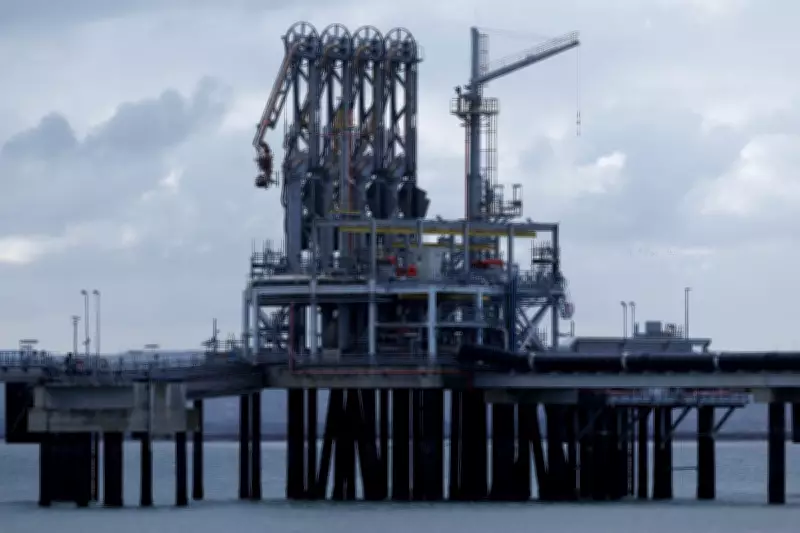
The primary driver behind the price surge stems from Qatar halting production of liquified natural gas (LNG) following strikes by Iran in the area. As Qatar accounts for approximately 20% of global LNG supply, this disruption has created significant supply concerns worldwide.
While Europe represents a relatively small buyer from Qatar, with only 10-15% of the bloc's total imports originating there, other regions heavily dependent on Qatari supply will need to source gas elsewhere. This increased demand from alternative markets inevitably pushes prices higher across the board.
Kathleen Brooks, research director at XTB, noted: "The European market should be able to absorb a few weeks of disruptions to Qatari LNG flow. However, if Qatar's production takes longer to come back online, or if it cannot be exported due to the dangers of tankers travelling through the Strait of Hormuz, then we may start to see US gas prices rise."
Renewables Provide Some Buffer but Concerns Persist
Jess Ralston, head of energy at the Energy and Climate Intelligence Unit (ECIU), highlighted that increased renewable energy integration since 2022 provides some protection against price shocks. However, she emphasized that more substantial progress remains necessary to reduce Britain's vulnerability to external factors affecting household energy costs.
"The Energy Crisis Commission warned that the UK remained dangerously underprepared for another energy crisis," Ms Ralston stated. "Nobody knows exactly how the next few weeks will play out, but with homes and businesses still facing the debt and after-effects of the last gas crisis, people will understandably be concerned."
She added: "Fortunately, any looming crisis is unlikely to hit electricity bills quite as hard because more renewables have been linked up to the grid meaning we don't have to run gas power stations as much. Last year renewables cut the wholesale price of electricity by a third."
Inflation and Economic Implications
The broader economic implications extend beyond immediate energy concerns. Oil has surged above $80 per barrel from approximately $70 last week, potentially impacting inflation and interest rates in the coming months.
A three-scenario forecast by Deutsche Bank analysts examined potential inflationary impacts if oil and gas prices continue rising across coming weeks. Their projections suggest inflation could reach between 2.9% and 3.3% later this year if oil rises to $100 per barrel and gas follows a similar trajectory.

Susannah Streeter, chief investment strategist at Wealth Club, warned: "Energy costs continue to mount as Lebanon has been drawn into the conflict and Gulf states are still reeling. Iran is now threatening to set fire to ships using the crucial Strait of Hormuz. Given that it's an essential route for around a fifth of global oil and gas supplies, this has sent energy prices even higher."
She emphasized: "This highlights the risks of reliance on volatile imports and adds urgency to the need to accelerate the transition to renewables, which still requires significant grid and storage upgrades. Companies already counting the high energy costs in the UK are now bracing for further financial pain."
Historical Context and Current Positioning
While current price levels remain well below the peaks experienced during the 2022-23 energy crisis following Russia's invasion of Ukraine, the rapid escalation demonstrates how quickly uncertainty can translate into market movements.
The energy price cap currently stands at £1,758 per year and is scheduled to decrease to £1,641 from 1 April. However, the true impact on UK businesses and households will ultimately depend on the duration of production disruptions and supply chain complications throughout the Gulf region.
European Natural Gas prices increased by approximately a quarter on Tuesday alone, while US gas prices have risen by a more moderate 6% compared to the 82% surge in European prices over the past week. Market analysts will be closely monitoring US gas prices in coming days, as significant increases there would signal another potential energy price shock for Europe.