Inside the Thames Water Crisis: Maple Lodge Sewage Plant on the Frontline
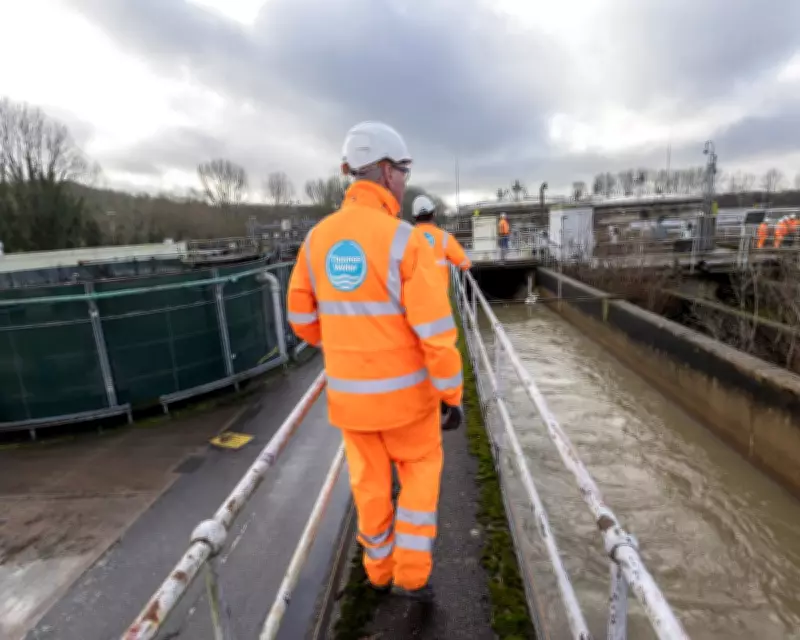
On a grey, wet day, the Maple Lodge sewage treatment centre in Rickmansworth, just off the M25, continues to operate under immense pressure. This facility, managed by Thames Water, processes wastewater at a staggering rate of approximately 3,000 litres per second, pushing its capacity to the limit. The site manager highlights the initial screening process, where a "sheep"—a tangled mass of wet wipes, sanitary pads, cotton buds, condoms, and indigestible sweetcorn—rotates at the edge, with items like credit cards and false teeth occasionally found trapped here.
A Plant Under Strain
Maple Lodge stands at the epicentre of the national sewage scandal and the ongoing crisis surrounding Thames Water's future. Amid protracted financing negotiations and the looming threat of temporary nationalisation, this plant exemplifies the broader challenges. The tour progresses through grit removal, settlement tanks for sludge and scum extraction, aeration and biological treatment tanks, and final clean-up tanks. Treated effluent is discharged into the Grand Union canal as intended, with no current use of storm overflow tanks or untreated releases into the River Colne.
However, the site does not always manage. As Thames Water's fifth largest sewage treatment centre, Maple Lodge discharged 124 times for a total of 1,916 hours into the River Colne during the heavy rainfall of 2024. In a wet January, real-time data showed multiple storm overflow discharges, including one lasting 66 hours, accompanied by warnings of potential sewage contamination in watercourses.

Regulatory Scrutiny and Underinvestment
This facility was among those referenced by the regulator, Ofwat, when it fined Thames Water £104 million last year for failures in infrastructure maintenance and operation. Approximately 157 wastewater works were labelled "sites of concern." Maple Lodge's 10-hectare site, though tidy, reveals its age, cramped design, and underinvestment, struggling with a growing local population and the sponge-like effects of the chalky landscape. Upstream, Chalfont St Peter in Buckinghamshire has experienced sewer flooding, prompting Thames to invest in sewer lining and maintenance holes.
The core issue persists: built in the 1950s and 1960s, Maple Lodge is a victim of Thames Water's financial crisis and deferred investment. A major project to enhance capacity and meet higher regulatory standards for phosphorus removal, originally due for completion a year ago, is now scheduled for 2030. Tessa Fayers, Thames Water's wastewater and bioresources director, cites escalating costs and delivery constraints, with projected expenses ballooning to £300–400 million. An ongoing investigation into potential environmental target breaches adds to the regulatory pressure.
Financing Talks and Political Risks
Negotiations to determine Thames Water's future are intensifying, nearly two years after shareholders deemed the company "uninvestible." Talks between senior bondholders, owed £16 billion, and Ofwat continue, with gaps remaining but a market-led recapitalisation likely to avoid special administration. The Treasury fears temporary nationalisation could become permanent, especially under potential Labour demands.
Key terms include a writedown for bondholders, possibly around 30%, reducing Thames's debt and granting creditors a 10% ownership stake. Fresh equity of over £3 billion is expected from funds, including late-arriving hedge funds like Elliott Management and Silver Point. Junior bondholders face total loss. The bondholders, under London & Valley Water, plan to reprioritise £20 billion in spending from 2025 to 2030, though specific projects like Maple Lodge's upgrades remain uncertain.
Calls for Stability and Reform
Fayers emphasises the staff's desire for stability to deliver improvements without disruption. Despite decades of underinvestment, there are signs of progress, such as a reduction in pollution incidents. However, the root causes—dividend extraction, debt accumulation, and weak regulation—persist. The future hinges on a standoff between Ofwat, bondholders, and ministers, with a resolution expected within the next month.

As the English and Welsh water sector faces scrutiny, the outcome for Thames Water will set a precedent for infrastructure investment and environmental accountability in the years ahead.