Kenya's Clean Cooking Crisis Deepens as Biofuel Provider Collapses
The sudden shutdown of Koko Networks, a pioneering bioethanol fuel supplier, has plunged thousands of Kenyan households into an immediate energy crisis. Across Nairobi's informal settlements and beyond, more than 3,000 distribution points now stand empty, leaving families who relied on affordable, clean-burning cooking fuel with few viable alternatives.
A Decade of Progress Erased Overnight
For over ten years, Koko Networks facilitated a significant shift in household energy consumption, moving approximately 1.5 million Kenyan homes away from traditional, smoke-producing charcoal stoves. The company's bioethanol system, once celebrated as a model for Africa's green energy transition, offered a simple refill process comparable to purchasing mobile airtime. Customers could access fuel with just a few shillings and a quick tap on dispensers located throughout communities.
"This was a life changer for me," explained Grace Kathambi, a former Koko user. "I could not afford the $8 required to refill a standard gas cylinder. With Koko, about 30 U.S. cents provided enough bioethanol to cook meals. Now that option has disappeared completely."

Carbon Credit Dispute Triggers Systemic Failure
The collapse stems from a protracted dispute between Koko Networks and Kenyan government authorities over crucial regulatory approvals. The company required both import permits for bioethanol made from sugarcane molasses and an official letter authorizing the sale of carbon credits to maintain financial viability.
These carbon credits—permits allowing holders to emit specific amounts of greenhouse gases—were essential for unlocking millions in international financing that kept fuel prices accessible for low-income households. Kenyan officials withheld authorization, citing broader concerns about carbon credit credibility and transparency within Koko's business model.
"Koko's case is uniquely multidimensional," stated David Ndii, Kenya's presidential advisor on economic affairs. He referenced complications involving the Paris Agreement framework, cookstove carbon credit reliability, national climate policies, market regulations, and diplomatic considerations. Ndii dismissed prospects for government intervention, remarking that "even good doctors lose patients."
Livelihoods Lost and Health Risks Return
The human impact is already severe. Frederick Onchenge, who previously served up to 50 Koko customers daily, now faces silent machines and vanished income. "Initially, I was confused," Onchenge recalled. "Then it dawned on me what had just happened. My livelihood was gone. I tried calling the salesperson, but their phone was switched off."
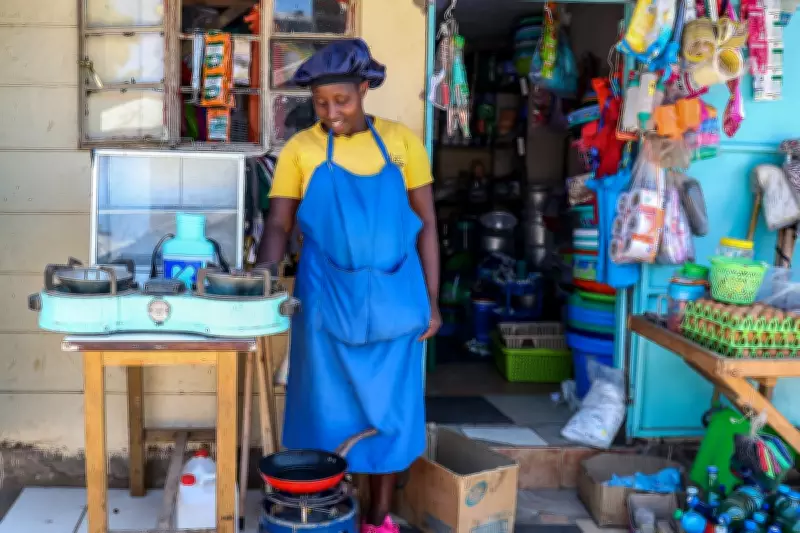
For many households, notification came via abrupt text messages announcing the immediate shutdown. Kitchens that once operated without harmful smoke now contain idle double-burner stoves—tangible reminders of a system that ceased functioning overnight.
Margaret Auma expressed the desperation felt by many: "I cannot afford to use gas. Koko made life very easy for those of us who earn little from casual jobs. We feel abandoned, yet it's not our fault. What are we supposed to do? Go back to using charcoal in our one-room houses? That is the smoke and sickness we were trying to escape."
Broader Implications for Africa's Clean Energy Transition
Energy analysts warn that Koko's collapse exposes critical weaknesses in how clean cooking initiatives are financed across Africa. "The clean cooking situation in Kenya, and across Africa, is a serious crisis," emphasized Amos Wemanya, a senior renewable energy analyst at Power Shift Africa. "This is not just about emissions or climate targets. It is about development, health, dignity, and household survival."
Wemanya criticized models heavily dependent on carbon credits, arguing they risk prioritizing markets over people. "We are not going to solve the clean cooking challenge through carbon math or carbon credit spreadsheets," he asserted. "Carbon markets allow polluters to continue emitting while households, who are supposed to be the beneficiaries, still pay for the stoves and bear the risks when projects fail."

He further noted that when such systems collapse, households suffer most, often forced to revert to harmful alternatives like charcoal and paraffin. The Koko episode, according to Wemanya, demonstrates that priorities should shift toward affordable electricity solutions powered by renewable energy, particularly in rural areas.
Uncertain Future for Vulnerable Communities
With Koko's distribution network dismantled—including removal of bioethanol dispensers in areas like Kibera, Nairobi's largest informal settlement—families now face difficult choices between returning to polluting charcoal or struggling to afford more expensive liquefied petroleum gas. The company's shift to erratic and costly local bioethanol sources in 2023, after the government withheld import permits, had already strained the system before the complete shutdown.
As Kenya's energy and treasury officials decline to comment on the closure, the immediate reality for thousands remains stark: a promising clean energy solution has vanished, leaving vulnerable populations to navigate the health and economic consequences of diminished cooking options.