Iran Conflict Ignites Fears of Global Price Shocks and Economic Turmoil
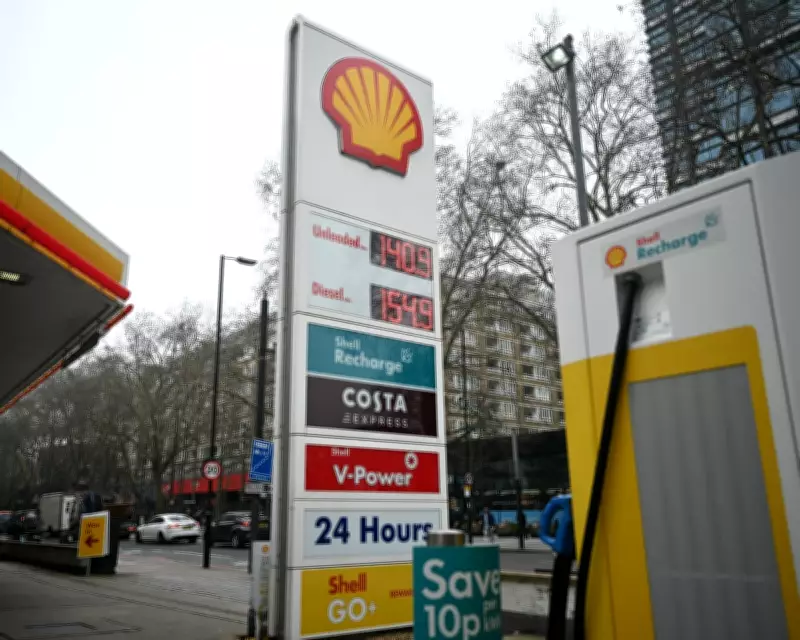
Following recent attacks on Iran, a wave of urgent warnings has swept across financial and energy sectors, alerting consumers to brace for significant price increases. From petrol stations in east London to global markets, the ripple effects are already being felt, with oil prices surging past $100 a barrel. This escalation threatens to drive up costs for everything from household energy bills to everyday groceries, compounding the existing pressures of inflation.
The Domino Effect of Rising Costs
Experts predict a cascading impact where rising fuel prices will inevitably lead to higher food inflation, which in turn fuels broader increases in consumer goods. This interconnectedness means that households face a perfect storm of financial strain, with wages struggling to keep pace with the escalating cost of living. The situation is further exacerbated by global instability, which has already rendered many fixed energy tariffs unavailable, leaving consumers with fewer options to mitigate the burden.
The advice to 'get ready' for these shocks, however, rings hollow for many. While the causal links between conflict and economic hardship are clear, the notion of preparedness implies a level of personal agency that simply does not exist in the face of geopolitical turmoil. There are no practical steps individuals can take to shield themselves from the fallout of international disputes, beyond perhaps reducing consumption—a stark and often unrealistic adjustment.

The Illusion of Preparedness in a Volatile World
Framing these price hikes as 'shocks' may be misleading; for most, they are expected burdens rather than surprises. The real issue lies in the lack of actionable solutions. As one columnist notes, it feels mercenary to focus on unit prices amid human suffering, yet ignoring the financial implications won't stop bills from rising. The economic landscape is fraught with uncertainty, from potential stock market crashes to unpredictable energy costs, leaving many unsure of the scale of disaster ahead.
Ultimately, the call for readiness serves as a reminder of our limited control over global events. While understanding the trends can provide some clarity, it does little to alleviate the immediate financial pressures faced by families. The conversation must shift from mere warnings to substantive support, as households navigate an increasingly expensive reality driven by forces beyond their influence.