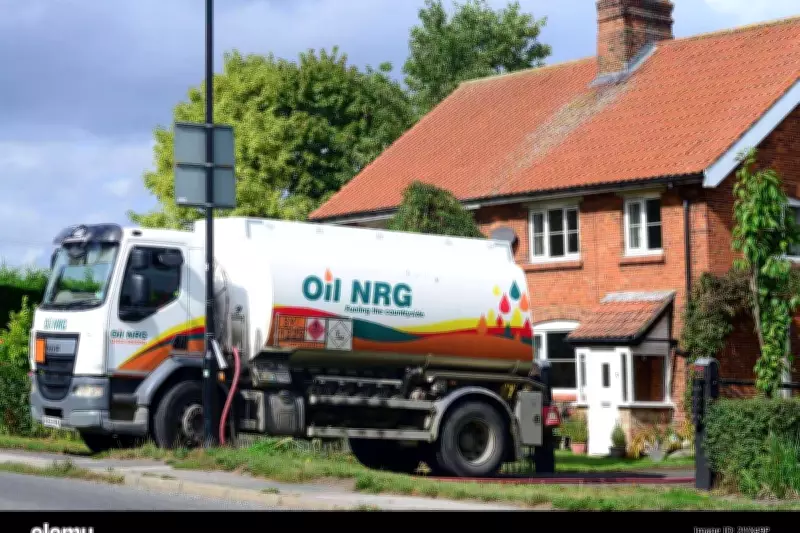
Households across the United Kingdom that depend on heating oil are confronting a severe financial strain as escalating tensions in the Middle East trigger a dramatic spike in costs. This issue is hitting consumers directly, with prices surging by as much as £100 in just the past week alone, leaving many families struggling to afford essential warmth.
Northern Ireland Bears the Brunt of the Crisis
The situation is especially critical in Northern Ireland, where a staggering 62.5% of homes rely on heating oil for their energy needs. This contrasts sharply with the UK average, where just over 5% of households use this fuel source. The disparity highlights a regional vulnerability that is now being exposed by global market fluctuations.
Lack of Regulatory Protection Exacerbates the Problem
Heating oil customers fall outside the protective measures of Ofgem's energy price cap, which currently fixes prices for other energy consumers until the end of June. This regulatory gap leaves them fully exposed to the whims of volatile international oil markets, with no safety net to cushion the blow of sudden price hikes.

Simon Francis, coordinator of the End Fuel Poverty Coalition, emphasised the severity of the issue. He reported one instance where a heating oil customer was recently quoted £985 for 1,000 litres of fuel, a shocking increase from the £670 it cost in January. "Households that rely on heating oil are often some of the most exposed to global fossil fuel price shocks because they sit outside the energy price cap," Francis stated.
Global Factors Driving the Price Surge
Wholesale oil markets have experienced significant climbs due to heightened regional tensions in the Middle East. Recent US and Israeli missile strikes on Iran, followed by retaliatory attacks from Iran that damaged oil and gas infrastructure across key Gulf states, have disrupted supply chains. Additionally, Iran has issued warnings to ships against using the Strait of Hormuz, a vital shipping route responsible for approximately 20% of global oil and gas transit, further intensifying pressure on global energy markets.
Vulnerable Households Face Immediate Hardship
Francis highlighted that these homes are frequently among those in the deepest fuel poverty, as the cost of home improvements that could enhance energy efficiency and reduce expenses is often prohibitive. "This means that when overseas conflicts send oil prices soaring, the cost of heating for families in rural and off-grid homes can jump almost overnight," he explained. "While other households are protected by the energy price cap for now, homes heated by oil are starting to suffer now and may need urgent support."
He added a stark warning: "This is another harsh reminder that relying on volatile fossil fuel markets leaves households vulnerable. The long-term answer has to be looking at alternative heating systems and creating warmer homes by supporting people who need to improve energy efficiency."
Political Response and Calls for Action
In the House of Commons, Energy Secretary Ed Miliband acknowledged the heightened exposure of heating oil users to market forces compared to those shielded by the price cap. "We will look at that issue," Miliband assured MPs. "And indeed, I go back to the wider point I made, that both the Chancellor and the PM have shown determination to act on the cost-of-living crisis."
With around 1.5 million households in the UK relying on heating oil, the current crisis underscores the urgent need for targeted support and long-term solutions to protect vulnerable consumers from future market shocks.