Winter Thermostat Guide: Set to 10°C Minimum to Prevent Frozen Pipes
Avoid Frozen Pipes: Set Thermostat to 10°C Minimum

As freezing conditions grip the UK, homeowners are being urged to set their thermostats correctly to prevent the costly and disruptive nightmare of frozen and burst pipes. With temperatures already plunging below zero and further harsh weather forecast, taking preventative action is essential.

The Crucial Minimum Temperature Setting

A leading boiler specialist has provided clear guidance to help households stay warm and protected without incurring excessive energy costs. The key advice is to avoid simply cranking up the heat when it gets cold. Instead, maintaining a steady background temperature is far more effective.

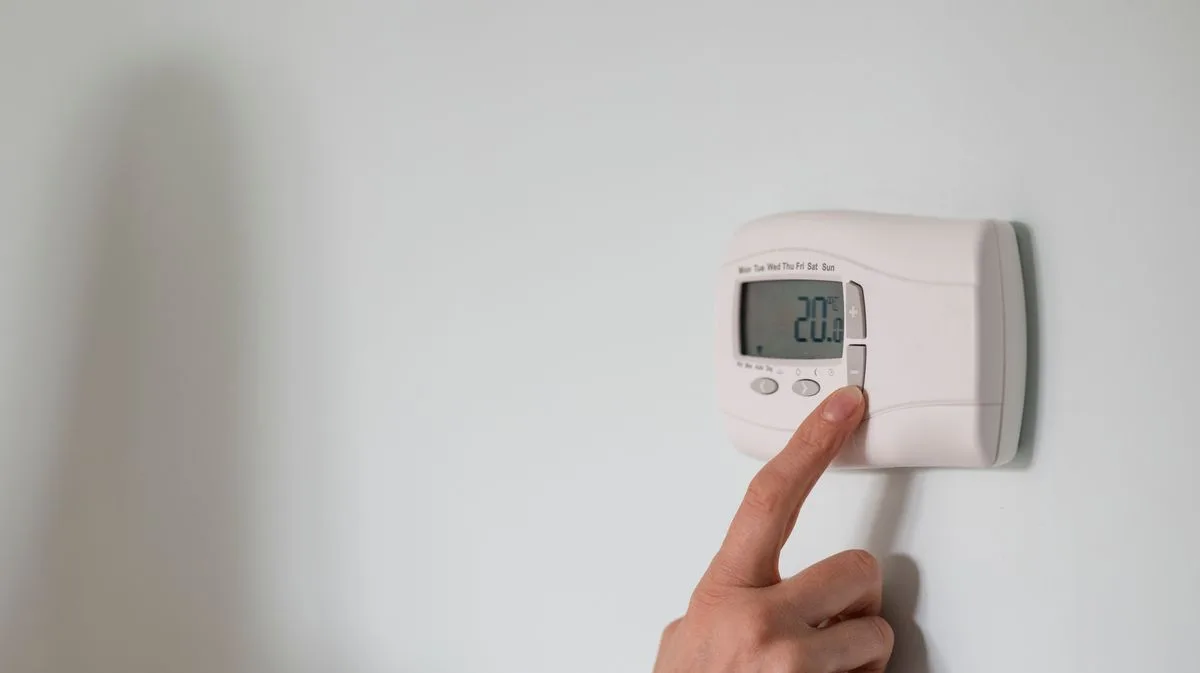
While an ideal living temperature during winter is between 18°C and 20°C, the expert from New Boiler Installation Glasgow stresses a critical lower limit. You should never let your home's temperature fall below 10°C, even when you are out or asleep. This minimum setting ensures pipes in unheated cavities or rooms are kept above freezing point, allowing your boiler to run efficiently and prevent ice from forming inside your plumbing.

How Frozen Pipes Cause Costly Damage

When the mercury drops, the water inside pipes can freeze. As water turns to ice, it expands. This expansion puts immense pressure on the pipe, whether it's plastic or copper, often causing it to crack or burst completely. Once the ice thaws, the compromised pipe can release a flood of water into your home, leading to extensive and expensive damage to ceilings, walls, floors, and personal belongings.

The subsequent repairs for water damage and replumbing can run into thousands of pounds, making prevention a far wiser and cheaper strategy. This risk is particularly high in areas like lofts, basements, garages, and under kitchen sinks where pipes are more exposed to the cold.

Smart Heating Solutions and Extra Tips

Modern technology offers a powerful tool for managing this risk efficiently. Smart thermostats are highly recommended for giving homeowners precise control over their heating schedules. You can program them to maintain that all-important minimum temperature during cold spells, and only heat your home to warmer levels when you are there to benefit, helping to balance comfort, protection, and cost.

Beyond thermostat settings, experts recommend several additional protective measures:

  • Insulate your pipes: Use foam pipe lagging or insulation sleeves on any pipes in cold, unheated spaces. This is a simple and cost-effective DIY task.
  • Protect your home when away: If leaving your property vacant in winter, consider turning off the water at the main stop tap and draining the system by opening the lowest tap (like a sink or bath tap) to relieve pressure.
  • Keep interior doors open: Allow warmer air to circulate around pipework, particularly in cupboards where pipes are located.

By setting your thermostat to a minimum of 10°C, utilising smart controls, and taking simple insulation steps, you can significantly reduce the risk of frozen pipes this winter. This approach provides vital protection for your property while helping to keep your energy bills under control during the coldest months.