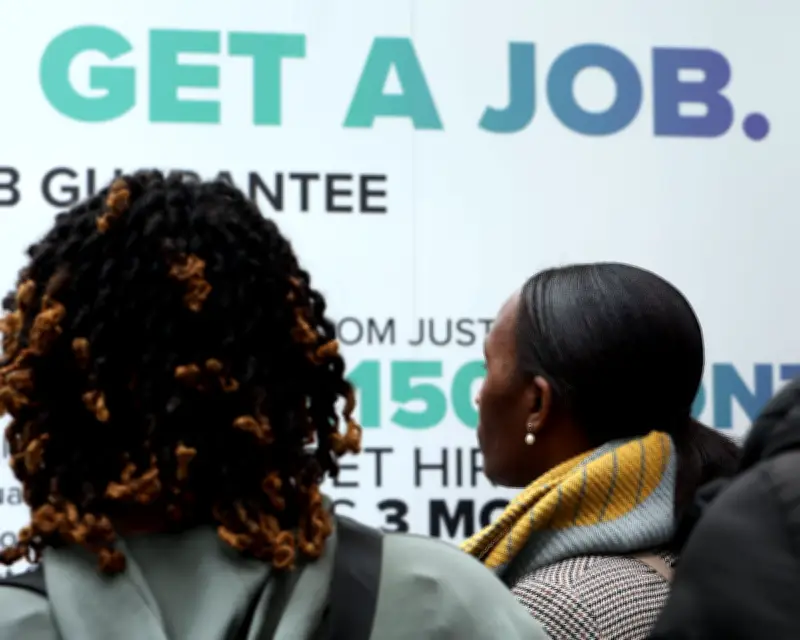
Young people in Britain are experiencing a joblessness epidemic, and Labour's policies are exacerbating the crisis, according to a new report. Unemployment is particularly damaging for the young, as prolonged worklessness in late teens or early 20s can cause lasting harm, including depression and reduced earning potential.
Rising Neet Numbers
The number of 16 to 24-year-olds not in education, employment or training (Neets) is increasing. In March 2026, there were over one million Neets in the UK, up 89,000 from the previous year. The Neet rate rose from 12.5% to 13.5% over the same period. Nearly one in nine 18 to 24-year-olds now claim inactivity-related benefits, often due to mental health issues stemming from Covid lockdowns.
System Imbalance
Alan Milburn's interim report highlights a stark imbalance: for every £25 spent on benefits for young people, only £1 is spent on employment schemes. The benefits system contains cliff edges that discourage disabled young people from seeking work. However, the notion that young people are gaming the system is unfounded. Economist Michael Burke notes that 46% of Neets do not claim benefits, and a further 20% are too ill to work.

Policy Missteps
Punitive measures to force young people into work would be counterproductive. Instead, the focus should be on improving education, managing migration to incentivise hiring, and investing in further education. The UK lags behind Germany and the Netherlands, which have lower Neet rates due to extensive vocational training systems.
Broader economic conditions also matter. Weak demand for workers, high energy prices from the Iran war, and potential interest rate hikes by the Bank of England are worsening the outlook. The 2024 budget's increase in employers' national insurance contributions raised hiring costs, particularly in sectors like hospitality where young people often work. Additionally, above-inflation minimum wage increases for 18-20 year olds (12.2% in 2024 and 12.7% in 2025) may be contributing to higher youth unemployment.
Caution Advised
Labour pledged to equalise the minimum wage by the next election, but ministers are now considering a delay. Given the Bank of England's reluctance to cut interest rates, caution is warranted. Businesses would be better able to pay higher wages if the economy were stronger, but currently it is running tepid.