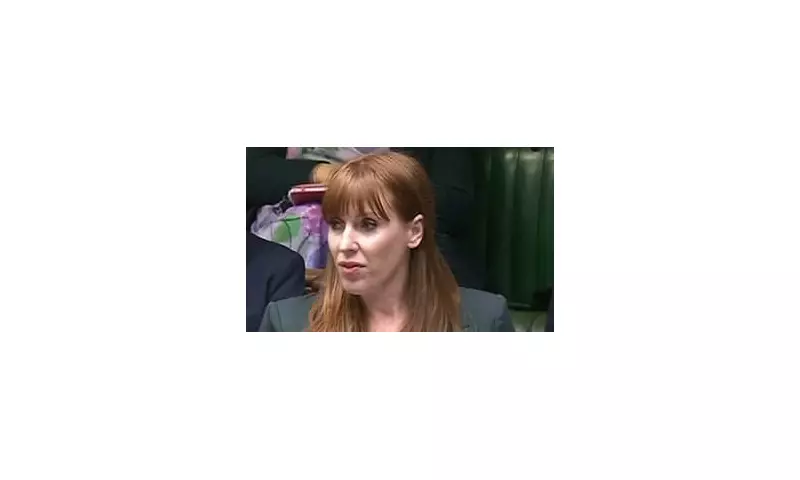
Angela Rayner is mounting a significant challenge to her own government, demanding it accelerate the introduction of a flagship workers' rights package after ministers diluted a core manifesto pledge.
Manifesto Commitment Scaled Back
The former Deputy Prime Minister will make her first major policy intervention since her dramatic Cabinet exit in September. This move comes directly after the Labour government abandoned its promise to introduce 'day one' protection from unfair dismissal for all employees.
Under a compromise struck with trade unions and business groups to break a deadlock in the House of Lords, the new qualifying period will be reduced to six months instead of the current two years. However, this change is not scheduled to take effect until 2027.

The Push for an Earlier Timeline
In response, Ms Rayner and her former ministerial colleague Justin Madders have tabled a last-minute amendment to the Employment Rights Bill. Their proposal aims to bring the implementation date forward to 2026.
Rayner is expected to argue that because the compromise simply shortens an existing qualifying period, it does not require lengthy consultation and can therefore be enacted more swiftly. MPs are due to vote on her amendment next week, with some in the party hopeful the government will accept it.
Backbench Discontent and a 'Line in the Sand'
The climbdown has sparked clear discontent on the Labour backbenches. One Labour MP told The Guardian: 'There's nothing now stopping the government from delivering at pace.' An ally of Ms Rayner stated she and Mr Madders, as 'key architects of the Bill', would spearhead efforts to deliver the reform package on an ambitious timeline.
The sentiment among some MPs is even stronger. One vowed: 'This can't be the thin end of the wedge and we won't let it be. Not only can there be no more watering down, but there is now growing appetite on the Labour benches to go further and faster... We're drawing a line in the sand.'
Justin Madders previously criticised the 'unelected peers' who held up the legislation and the ministers who diluted it. When asked if Rayner was unhappy with the situation, he suggested she was unlikely to be 'doing cartwheels' over breaking a long-campaigned-for promise.
This intervention marks a defining moment for Rayner's political influence outside of government and sets the stage for a crucial parliamentary test of the Labour leadership's commitment to its original employment reform agenda.