Nairobi County Introduces Kenya's First Menstrual Leave Policy
Nairobi County has implemented Kenya's pioneering menstrual leave policy for female government employees, a groundbreaking initiative designed to support health and boost productivity in the workplace. The policy, which took effect in December 2025, grants county government staff in the capital two paid days off each month to manage menstrual pain and discomfort.
Governor Sakaja Champions Workplace Dignity
Governor Johnson Sakaja, who spearheaded the new practice, emphasised that dignifying staff is essential for a respectful work environment. With over half of Nairobi's 18,000 county employees being women, Sakaja stated, "Your biggest asset is your staff. It starts with dignifying your own staff, for them to feel that they're respected and dignified." He noted that the national government and other county governors have expressed interest in monitoring the policy's outcomes.
Sakaja dismissed concerns that the policy might deter employers from hiring women, arguing instead that supporting women enhances performance. "Women's rights are not anti-productivity. They are an input that creates productivity. It's actually an investment in your workforce," he explained. He assured that there would be no financial strain, as roles are adequately staffed to cover absences.

Global Context and African Precedents
Menstrual leave policies are not new globally. Japan first adopted such a policy in 1947, followed by countries like Indonesia, South Korea, and most recently Spain in 2023. In Africa, Zambia stands as the only nation with a nationwide menstrual leave policy, allowing female workers one day per month without requiring a medical note.
Advocates highlight that these policies recognise menstruation as a legitimate workplace health issue, promoting well-being and efficiency. Janet Opiata, Nairobi County's Human Resource Manager, reported positive feedback from staff, noting that employees return to work more refreshed and productive.
Implementation and Employee Experiences
The policy operates on a "no-questions-asked, no-forms-filled" basis, offering paid leave alongside existing sick and annual leave entitlements. It was enacted through a cabinet decree and an internal memo from the human resources office. In February alone, at least 12 women from the human resources department, including a senior director, utilised the leave.
Marion Kapuya, a 25-year-old revenue officer, shared that the policy has already improved her work experience. "Working with pain or discomfort can lead to mistakes or low productivity. When you take the break and you are relieved from the pain, your performance will be top-notch," she said. However, she acknowledged that stigma remains a barrier, making it difficult for women to discuss menstrual issues openly with managers.
Medical Insights and Public Response
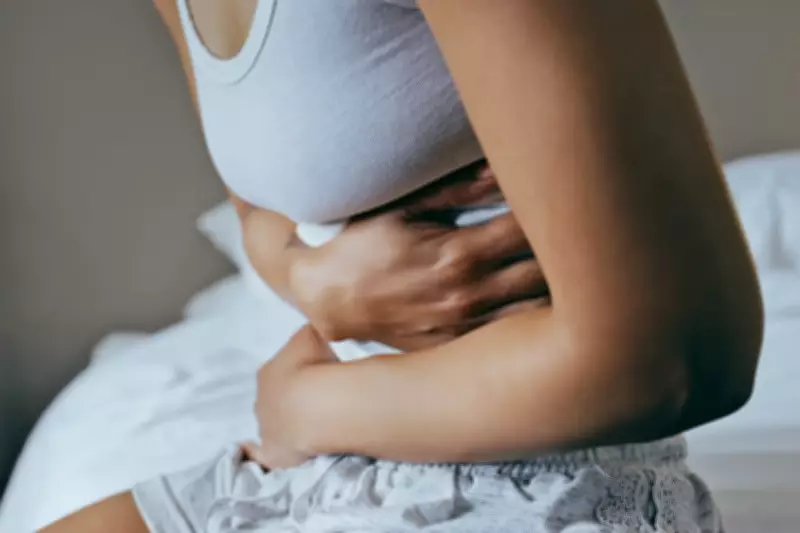
Dr. Eunice Cheserem, a Nairobi-based gynecologist, reported that severe menstrual pain affects approximately 50% of the women she treats, with symptoms including vomiting, severe headaches, diarrhea, and debilitating cramps. She emphasised that such pain can render women non-functional, often requiring strong analgesics for relief. The new policy, she noted, provides essential rest and self-care opportunities.
While public objection has been minimal, some concerns persist. Christine Akinyi, a private-sector worker in Nairobi, praised the two-day leave as a positive start but suggested extending it to four days. She also voiced worries that employers might favour hiring men to avoid additional leave entitlements.
Governor Sakaja acknowledged that even with the policy in place, some women may feel embarrassed disclosing the reason for their leave, highlighting ongoing cultural challenges. Nonetheless, the initiative marks a significant step toward addressing women's health needs in the Kenyan workplace, setting a precedent that could influence broader national and regional policies.