The Unseen Crisis: Britain's Middle-Aged Workforce in Turmoil
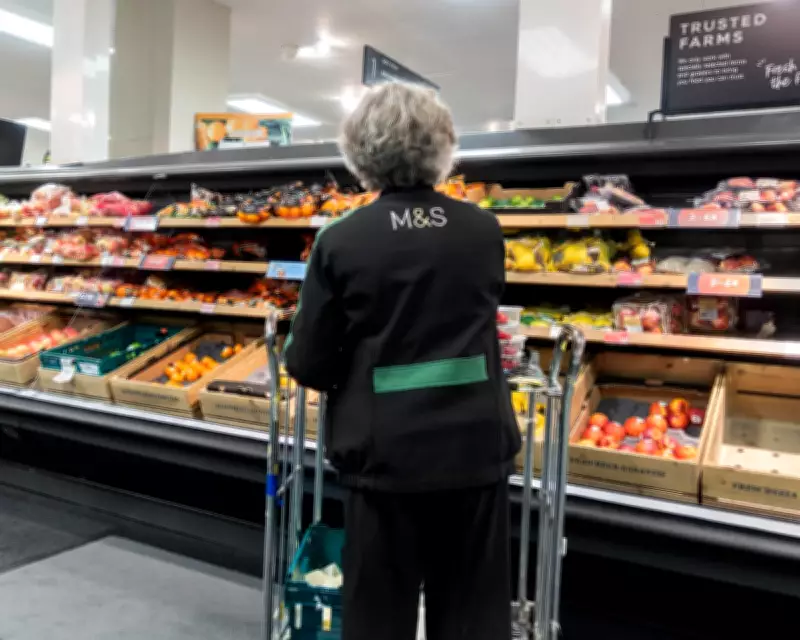
In a Marks & Spencer food hall, an employee represents a broader, often overlooked demographic: millions of Britons aged 50 to 64 who are out of work, sidelined by sickness, care responsibilities, or pervasive ageism. This group, numbering over 2.15 million on out-of-work benefits, is at the heart of a fierce political battle. If Labour fails to convince them they are a priority, Nigel Farage's Reform UK stands ready to step in, capitalising on their discontent.
Personal Stories and Political Realities
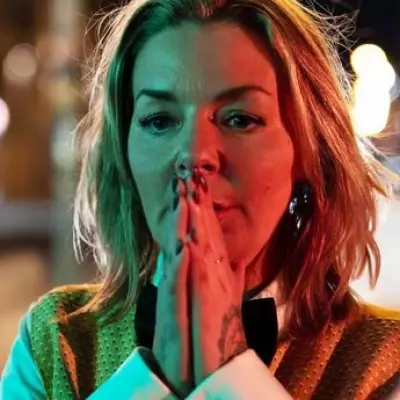
Penny Lancaster, the ex-model and wife of Sir Rod Stewart, retrained as a special constable at age 50. Her journey, sparked by a Channel 4 show and personal trauma from a teenage sexual assault, highlights a deeper trend. Lancaster uses her weekly shifts with City of London police to seek justice and draw on her maturity as a mother, such as talking down a suicidal teenager. She embodies the fierce urge many feel in middle age to be useful, make changes, and pass on life lessons.
However, Lancaster's experience contrasts sharply with the struggles of countless others. She notes meeting frustrated women who "feel pushed aside in midlife when they still have so much to contribute." This sentiment is echoed in a new commission by the rightwing Centre for Social Justice thinktank, examining what it terms "a midlife crisis for the economy." The commission reveals that middle-aged individuals, often with chronic health issues like dodgy knees or menopause-related symptoms, make up a significant portion of those on sickness benefits.

The Challenges of Ageism and Health
Rising benefit claims coincide with an increasing retirement age, particularly for women, suggesting many cannot meet more demanding work expectations. Government crackdowns aimed at forcing the sick back to work often ignore the odds older people face: chronic pain, debilitating conditions, and employers who view them as incapable of learning new skills. While the UK government has taken steps, such as legislation to support menopause in the workplace and a taskforce led by former John Lewis boss Sir Charlie Mayfield, these efforts often fail to make people feel truly understood.
Political Dynamics and Voter Sentiment
Younger women, wary of rightwing policies, increasingly turn to the Greens for representation, as seen with MP Hannah Spencer's social media posts about childless women under attack. In contrast, women over 55 are often marginalised in political discourse, labelled as Terfs, reactionaries, or smug boomers. Meanwhile, Reform UK has made gains among middle-aged female voters by peddling fear over immigration and crime.
The recent Gorton and Denton byelection has sparked internal Labour debates on whether to align closer with the Greens or emulate Reform UK. However, focusing solely on ideology misses the point. As Spencer lamented in her victory speech, "working hard used to get you something" but no longer does—a sentiment transcending political boundaries. Even ageing Reform voters care about more than immigration; they seek decent jobs, prompt healthcare, and a sense of being remembered.
The Path Forward for Labour
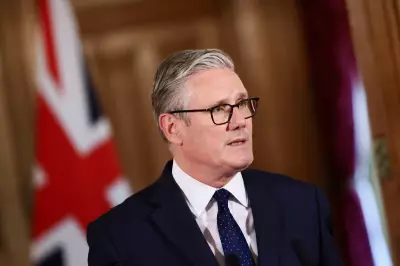
Labour's "hero voter" strategy, targeting older voters lost in 2019, underscores that most desire basic economic security and respect. If a Labour government cannot deliver on these fundamentals, its relevance is questioned. With home secretary Shabana Mahmood's hardline immigration proposals likely to face party resistance, Keir Starmer's options may narrow. Ultimately, addressing the needs of Britain's disaffected middle-aged workers is not just a political tactic but a moral imperative for national stability.