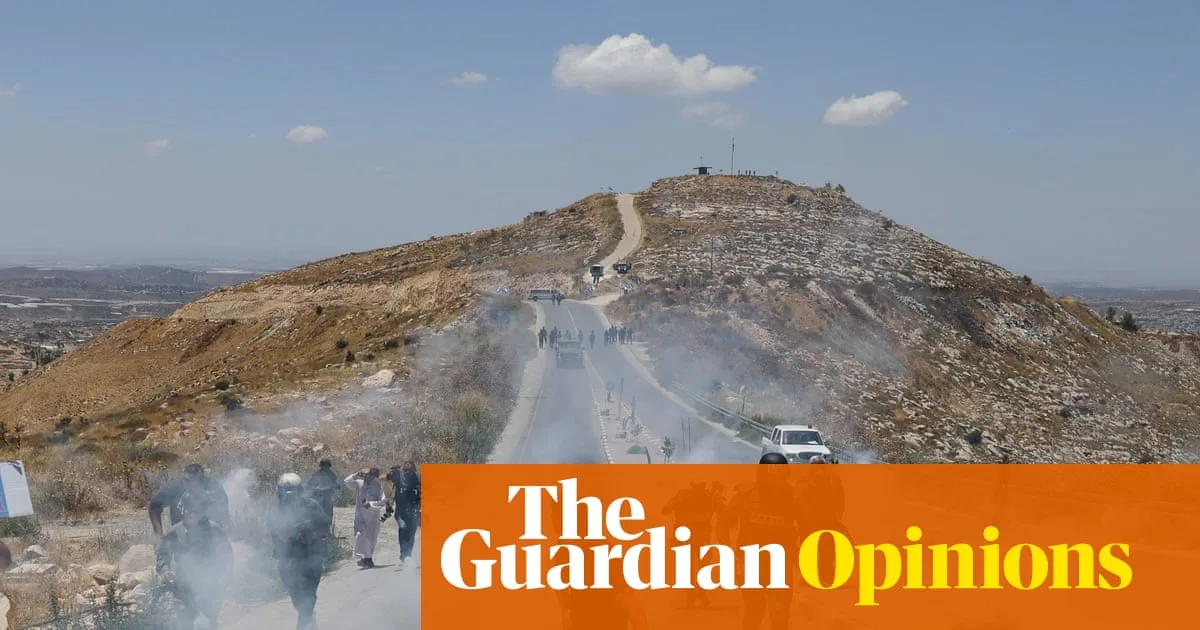
Palestinians in the occupied West Bank are facing severe economic hardship as Israel tightens restrictions, including cutting work permits, according to a report by the International Crisis Group. The report warns that the economic conditions necessary for any Palestinian future other than permanent subjugation are being dismantled.
Since the Hamas attacks on 7 October 2023, the Palestinian economy has shrunk dramatically, with real GDP falling from $17.8bn to $13.7bn in 2024. Nearly 300,000 Palestinians lost jobs in the West Bank and Israel. The withholding of customs revenues collected by Israel has crippled the Palestinian Authority, which paid employees just half their salaries last June.
Israeli Finance Minister Bezalel Smotrich, head of a far-right pro-settler party, has promised “economic strangulation” and said he wants to bury the idea of Palestinian statehood. The security establishment reportedly believes that restoring work permits could make Israel safer, but few Palestinians are now permitted to work in Israel.
An investigation by a rights group found that Israeli exporters regularly hide the origin of produce grown in occupied Palestine to qualify for unlawful tax breaks. Meanwhile, the Charity Commission is investigating after Labour MP Melanie Ward said that charities in England and Wales have donated at least £28m to illegal settlements.
The UK has shied away from a ban on trade with illegal settlements or other decisive action, despite calls from MPs for more. The editorial argues that allies must protect Palestinian lives and livelihoods.