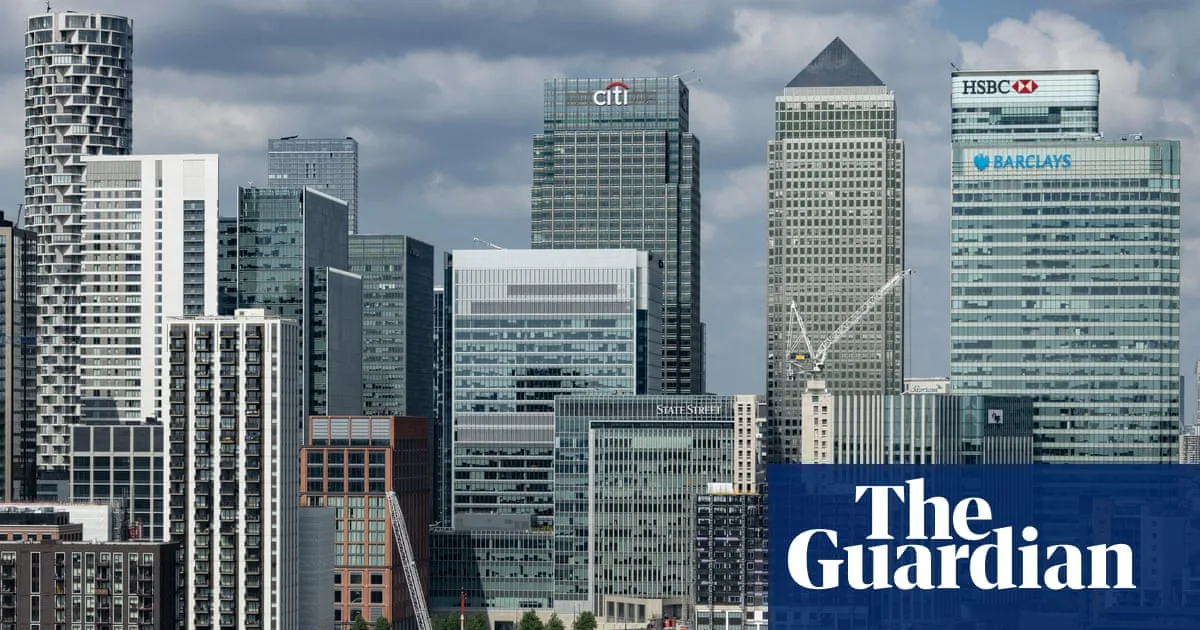
Britain's financial services sector has reported a strong rebound in activity at the start of 2026, marking the fastest turnaround in three decades, according to a survey by the Confederation of British Industry (CBI). The positive balance of nearly two-thirds of firms reporting growth contrasts sharply with a negative balance of 38% in December 2025, despite the onset of the US-Israel war on Iran.
The recovery, which mirrors a similar upturn in December 1996, has been driven by improved credit availability and strong household and business financial resilience, according to John Cronin, a banking analyst at SeaPoint Insights. However, he cautioned that conditions could change rapidly due to the Middle East turmoil.
The survey, which ended on 18 March, may not fully reflect the impact of the prolonged conflict, including the closure of the Strait of Hormuz and a global energy crisis. The Bank of England has warned that the war could push up mortgage rates, potentially dampening loan demand.

Despite these risks, financial services firms expect continued growth, albeit at a more moderate pace, in the coming quarter. Alpesh Paleja, CBI deputy chief economist, noted that the sector is still digesting the implications of the conflict, which has caused volatile market movements.
The CBI survey, based on responses from 58 firms including major banks like Barclays, HSBC, Lloyds and NatWest, provides a boost to Chancellor Rachel Reeves, who has prioritised the financial sector as a driver of economic growth. The industry successfully argued against tax increases in the last budget, and Reeves has urged regulators to consider growth alongside consumer protection.