Trump's Economic Policy Salad Fails to Lower Costs Amid Voter Discontent
Trump's Economic Promises Fail as Voter Discontent Grows

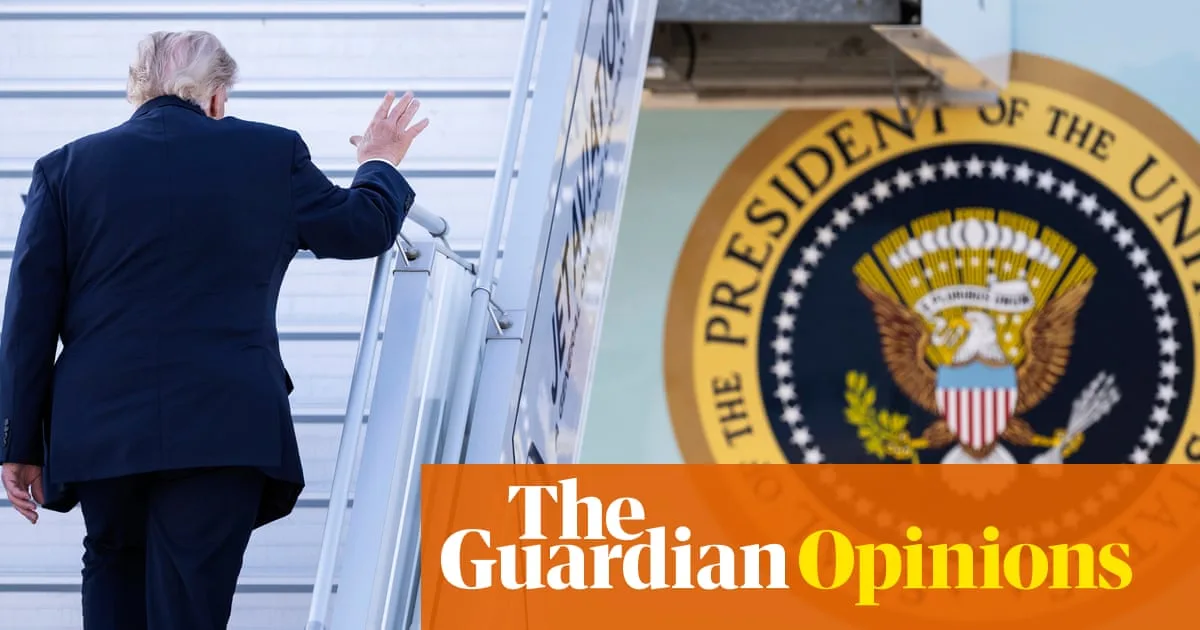
Former President Donald Trump arrived in Pennsylvania in December 2025 to deliver remarks focused on the US economy and affordability, against a backdrop of growing public dissatisfaction with his economic stewardship. His bold campaign trail promises have culminated in what analysts describe as a disjointed "policy salad," as he scrambles to regain voter affection following persistently negative polling numbers.

Inflation and Cost of Living Pressures Persist

Despite Trump's pledge that "a vote for Trump means your groceries will be cheaper," food prices have actually risen more rapidly during his first year back in office than they did in Joe Biden's final year. This trend extends to household energy costs, which have increased by 7.3% under Trump's watch—more than double the rate observed during Biden's last year. The president's central campaign promise to revitalise American manufacturing and bring jobs "roaring back" through aggressive tariffs has similarly failed to materialise, with Federal Reserve Chair Jerome Powell noting that these tariffs are actually hindering efforts to control inflation.

Voter Disapproval and Polling Data

Recent polling data reveals significant public discontent with Trump's economic performance. A Wall Street Journal poll this month indicates that 49% of Americans believe the economy has worsened over the past year, while 54% disapprove of the president's economic management. A separate CNN survey found that 61% of respondents disagree with Trump's economic policies altogether. These numbers have prompted what observers describe as a frantic response from the administration, with Trump issuing a barrage of new proposals even as he declares a "golden age" for the American economy.

Questionable Policy Proposals and Their Implications

Facing this voter backlash, Trump has adopted an unconventional Republican approach by releasing a stream of often incoherent economic proposals designed to signal empathy with struggling Americans. His recent suggestion to cap credit card interest rates, while potentially appealing to indebted households, would likely lead banks to restrict credit access for poorer, higher-risk borrowers according to economic analysts. Similarly, his housing cost initiatives—including banning investors from purchasing single-family homes and extending mortgages to 50 years—could actually depress construction and increase long-term housing expenses.

Detached from Economic Reality

Some proposals appear particularly detached from practical economic considerations. Trump's floated idea of launching a criminal investigation into Federal Reserve Chair Jerome Powell—reportedly in retaliation for Powell's refusal to lower interest rates—alongside plans to leverage expensive Venezuelan oil to reduce prices below $50 per barrel, demonstrate a concerning disregard for economic fundamentals. These measures follow earlier campaign trail promises like tax exemptions on tips and protection of Social Security payments from taxation, which would benefit limited segments of the workforce while potentially undermining long-term financial stability.

Broader Political Strategy and Historical Context

This scattershot approach represents a significant departure from traditional Republican commitments to free markets, instead forming part of a broader strategy to build perceived class solidarity with disaffected voters. Trump's policy pronouncements—ranging from mass deportations and global tariffs to drug price caps and demands for equity stakes in private firms—show little coherence but tap directly into economic grievances that have defined the post-globalisation political landscape. Historical precedent suggests this strategy can be effective; Trump's 2024 campaign promises to reduce food and gas prices helped secure his return to office, while researchers found that his earlier tariff wars boosted Republican support even when they resulted in job losses.

The Path Forward

As frustrations mount among American voters, the president appears increasingly desperate for his policy spray to resonate with the public. Only time will tell whether Americans will embrace these proposals or maintain their concerns about Trump's economic management. What remains clear is that the traditional quest for economic efficiency has been superseded by a new imperative to acknowledge and address the grievances of communities that feel left behind by decades of globalisation and economic change.