

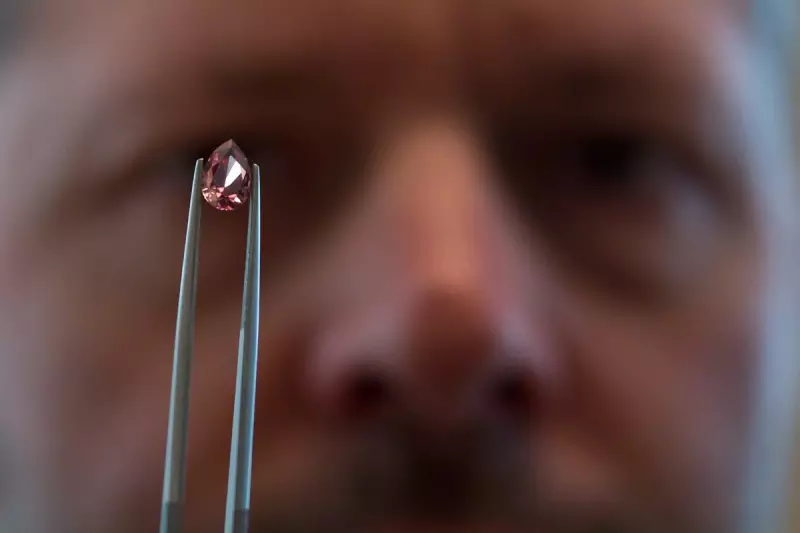
In a life-changing stroke of luck, two young friends from a deprived region of central India have unearthed a diamond valued at approximately £50,000, a find that promises to transform their families' fortunes.
A Life-Changing Discovery in the Soil
Satish Khatik, 24, and Sajid Mohammed, 23, made the extraordinary discovery while working a small plot of land they had leased just weeks earlier. The pair, who run a meat shop and a fruit stall for a living, were in the Panna district of Madhya Pradesh, a historically significant diamond-bearing area. The stone they found weighed an impressive 15.3 carats.
After taking their find to the official Panna Diamond Office for evaluation, the friends received astonishing confirmation. Anupam Singh, Panna's diamond evaluator, told the BBC the stone had an estimated market price of between 5 million and 6 million Indian Rupees (£41,400 to £49,700). The diamond is now set to be sold at a government-run auction held every three months in Panna.

The Gruelling Reality of Diamond Hunting in Panna
The Bundelkhand region, which includes Panna, is marked by chronic poverty, water shortages, and high unemployment, despite sitting on most of India's known diamond reserves. With a lack of steady jobs, many locals turn to diamond hunting, leasing small plots (typically eight metres across) from the government for a nominal annual fee of about £1.60.
The work is back-breaking and yields little for most. Miners dig shallow pits by hand, wash soil through sieves, and painstakingly sort through dried stones in their spare time. Ravi Patel, Panna's mining officer, called the success of Khatik and Mohammed "exceptional," noting they found the precious stone just 20 days after starting work on their leased plot.
Mr Mohammed revealed his father and grandfather had spent decades digging in the same fields, finding little more than "dust and slivers of quartz." His father said the discovery was finally a reward for their family's "hard work and patience."
Modest Dreams and Family First
Despite the potential windfall, the two friends are keeping their ambitions grounded. Under Indian rules, 12 per cent of the auction value will be deducted by the state as royalty and tax, with the remainder paid to them. While the sum could be transformative, they are not yet dreaming of land, business expansion, or moving to a big city.
Their immediate priority is deeply rooted in family tradition and responsibility. "For now, we’re focused on getting our sisters married," the friends said. As the youngest sons in low-income households, this act represents a significant cultural duty and a heartfelt first use of their newfound fortune.






