Sanctions Slash Russia's Oil Revenue as War Economy Faces Strain
Russia's Oil Revenue Plummets Under Sanctions Pressure

Sanctions Sever Russia's Oil Lifeline as War Economy Wobbles

For nearly four years, oil and gas exports have served as the financial bedrock sustaining Russia's military campaign in Ukraine. However, as the conflict approaches its fourth anniversary, this crucial revenue stream has dramatically contracted, reaching lows not witnessed since the COVID-19 pandemic. A concerted sanctions offensive from Western nations is directly responsible for this fiscal squeeze, compelling the Kremlin to implement domestic financial measures that risk further economic instability.

Precipitous Drop in Energy Revenue

Official figures reveal a stark decline in Russian state income from taxing its hydrocarbon sector. In January, revenues plummeted to 393 billion rubles, equivalent to $5.1 billion. This represents a significant fall from 587 billion rubles in December and a drastic reduction from the 1.12 trillion rubles recorded in January 2025. According to Janis Kluge, a Russian economy specialist at the German Institute for International and Security Affairs, this marks the lowest point since the pandemic's peak.

The collapse is attributed to a multi-pronged sanctions strategy. In November, the Trump administration imposed severe restrictions on Russia's two largest oil firms, Rosneft and Lukoil. Any entity involved in purchasing or transporting their oil now faces potential exclusion from the US banking system, a powerful deterrent for global businesses. Subsequently, the European Union enacted a ban on fuel refined from Russian crude oil, closing a previous loophole that allowed indirect imports.

Closing Loopholes and Pressuring Partners

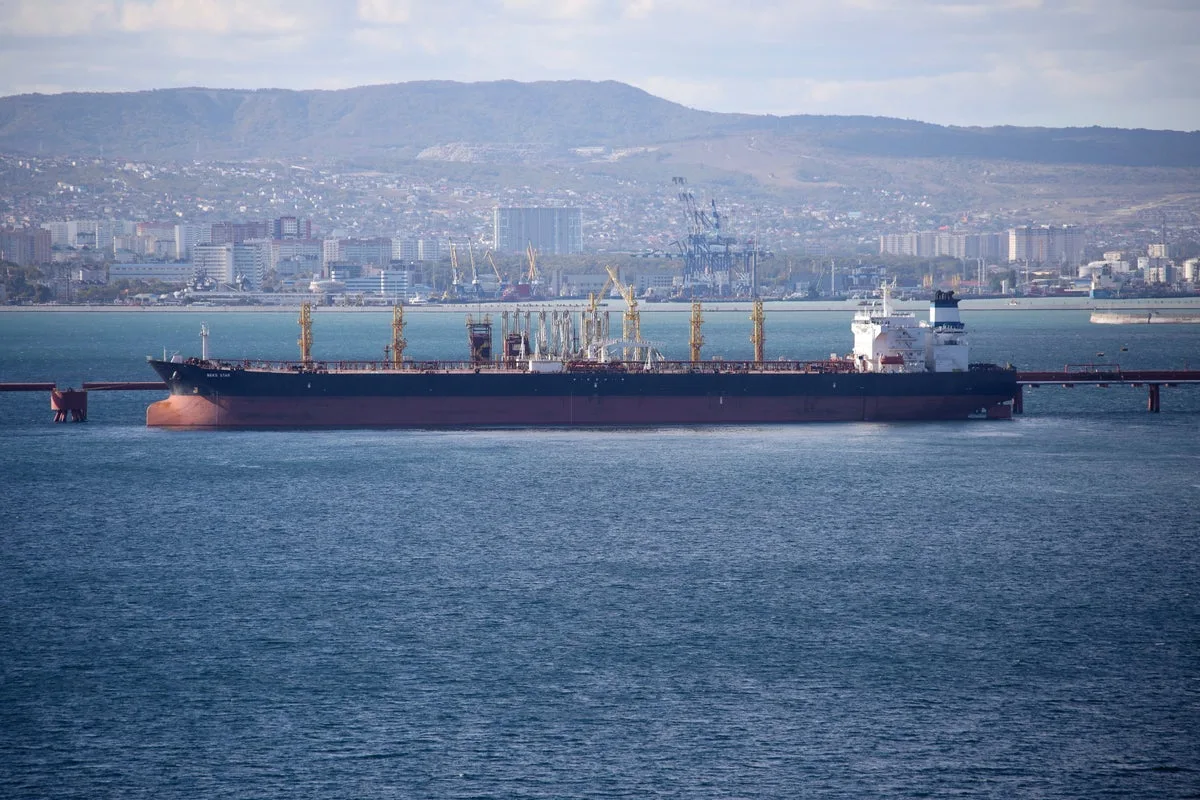
The latest measures represent an evolution beyond the initial G7 oil price cap. While the $60-per-barrel cap aimed to curb profits, Russia circumvented it by developing a "shadow fleet" of aging tankers and redirecting sales to markets like China and India. The new approach directly targets these workarounds. The US, UK, and EU have now sanctioned approximately 640 individual shadow tankers to deter customers. Furthermore, EU Commission President Ursula von der Leyen has proposed a comprehensive ban on shipping services for Russian oil, arguing that sustained economic pressure is essential to force Moscow to negotiate.

Pressure has also intensified on key importers. Following discussions, US President Donald Trump reduced tariffs on India, citing an agreement for New Delhi to halt Russian crude imports. While Indian officials have spoken of diversifying energy sources rather than explicitly confirming a ban, data indicates a notable decline. Shipments to India fell from 2 million barrels per day in October to 1.3 million in December, according to analyses from the Kyiv School of Economics and the US Energy Information Administration.

Economic Domino Effect Takes Hold

The sanctions have triggered a cascading financial impact. Buyers now demand steeper discounts on Russian oil to offset the risks of sanctions violations and the complexity of arranging non-dollar payments. The discount for Russia's primary Urals blend crude widened to around $25 per barrel in December, trading below $38 compared to over $62 for Brent crude. Since Russian oil taxes are price-based, this directly slashes state revenue.

"It's a cascading or domino effect," explained Mark Esposito, a senior analyst at S&P Global Energy. He described the combined crude and refined product bans as "a dynamic sanctions package, a one-two punch" that universally blocks output derived from Russian oil. The logistical disruption has caused approximately 125 million barrels to accumulate in tankers at sea, driving shipping costs for scarce capacity to as high as $125,000 per day.

Kremlin's Fiscal Response and Mounting Strains

Confronted with dwindling energy income and a stagnating economy, the Kremlin has turned to higher taxes and domestic borrowing. The State Duma has increased the value-added tax from 20% to 22% and raised levies on imported cars, cigarettes, and alcohol. Simultaneously, the government is borrowing more from compliant domestic banks and can still tap its national wealth fund.

These measures maintain state finances in the short term but exacerbate underlying economic weaknesses. Growth has nearly stalled, with GDP expanding just 0.1% in the third quarter and forecasts for this year downgraded to between 0.6% and 0.9%. Labor shortages and the diminishing returns of war spending constrain further expansion. Higher taxes could further dampen growth, while increased borrowing risks reigniting inflation, which the central bank has struggled to control with interest rates as high as 16%.

Experts warn the financial strain could eventually influence military strategy. "Give it six months or a year, and it could also affect their thinking about the war," said Janis Kluge. "I don't think they will seek a peace deal because of this, but they might want to lower the intensity of the fighting... This would be the response if it's getting too expensive." The sustainability of Russia's war economy now faces its most severe test yet, as sanctions successfully target the oil revenues that have long bankrolled its campaign.