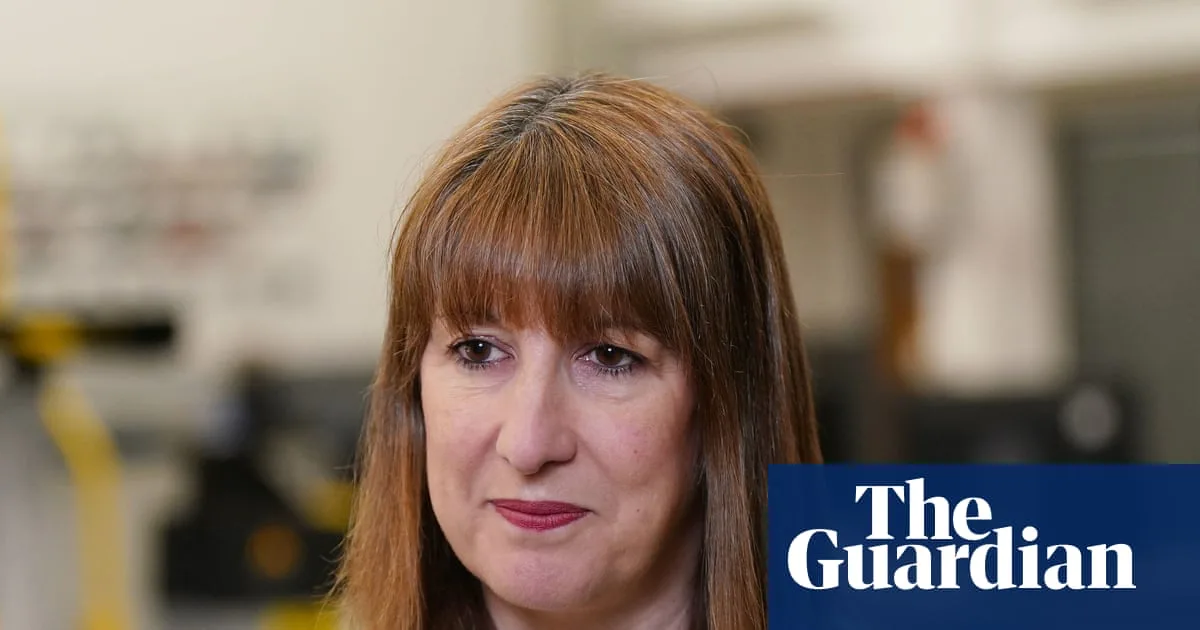
Rachel Reeves is expected to extend a freeze on income tax thresholds to raise fresh funds after the government’s U-turn on welfare cuts left her with a growing budget hole, according to analysts. The chancellor was already facing pressure to backtrack on pledges not to increase taxes further as she attempted to fix public services and grow the economy while meeting her fiscal rules.
Independent commentators are all but unanimous in expecting taxes to go up – and many point to the threshold freeze, which is estimated to raise £8bn a year, as the most likely option. The freeze, introduced by former Conservative chancellor Jeremy Hunt, drags ever more people into paying the higher rate of tax and is due to end in 2028. The number of people in the UK paying income tax at the higher rate is already expected to increase by 500,000 this tax year, to 7 million.
Ruth Curtice, director of the Resolution Foundation, said: “The most obvious thing would be to extend the income tax thresholds, for another two years.” Her thinktank estimates that the U-turn on disability benefits will cost the chancellor £3bn a year by 2029-30, on top of the £1.25bn price of reversing most of the cut to pensioners’ winter fuel allowance.
Paul Johnson, outgoing director of the Institute for Fiscal Studies, noted that “the threshold freeze is obviously the politically easiest thing to do.” Simon Wells, chief European economist at HSBC, added: “They’re boxed in and something has to give… the income tax thresholds is by far and away the line of least resistance.”
Despite Treasury sources insisting there is no inevitability about tax increases, analysts warn that the chancellor may need to find up to £20bn to balance the books. The Office for Budget Responsibility is revisiting its productivity estimates, which could further downgrade growth forecasts and add to the pressure.