

Fresh fears of imminent tax rises are gripping the UK after analysis revealed the Chancellor's crucial financial buffer has been severely depleted. Rachel Reeves had justified her November Budget, which contained significant tax increases, by stating she needed to build substantial 'headroom' to meet her fiscal rules.
The Shrinking Fiscal Cushion
According to a Bloomberg assessment, a worrying two-thirds of the £22 billion margin Chancellor Reeves set aside may have already vanished. This erosion is attributed to a triple threat: government policy reversals, downgraded prospects for GDP growth, and a looming shortfall in defence funding.
Since the Autumn Statement, the Treasury has announced several costly measures. To placate angry family farmers, the government has softened inheritance tax rules, a move estimated to cost £130 million annually. Furthermore, Ms Reeves has pledged to shield pubs from crippling business rate increases, a relief package insiders suggest could total £300 million.

Mounting Pressures on the Treasury
The financial pressures are compounding from several directions. Labour backbenchers are now loudly demanding that business rate relief be extended to the entire hospitality sector, a move that would dramatically inflate the Treasury's bill.
Simultaneously, a sharp decline in net migration presents a major headache. While higher immigration boosts overall GDP figures, even if wealth per person doesn't rise, a reduction undermines this growth. Bloomberg calculates that if long-term immigration runs 100,000 per year lower than the Office for Budget Responsibility (OBR) forecast, it could slash £9 billion from expected tax receipts by the 2029-30 financial year.
Questions also hang over defence spending. The government's investment plan appears delayed as ministers grapple with how to address a reported £28 billion funding gap over the next four years.
Autumn Tax Rises Back on the Table
This renewed strain on the public finances has set off alarm bells that the Chancellor may be forced to implement further tax increases later this year. Ms Reeves has already controversially broken her 2024 pledge not to raise the tax burden from its record high.
Following her last Budget, the Chancellor stated, "I reserve the right to be able to take action at any point... But I believe the headroom that we have and the changes we have made means I won't need to do that in the spring. Of course I reserve the right at any time to take action."
Significantly, Ms Reeves has taken steps to prevent the OBR from making an official declaration in March on whether she is meeting her key fiscal rule—that day-to-day spending must be covered by revenues within three years. The watchdog will, however, provide an updated assessment and forecasts.
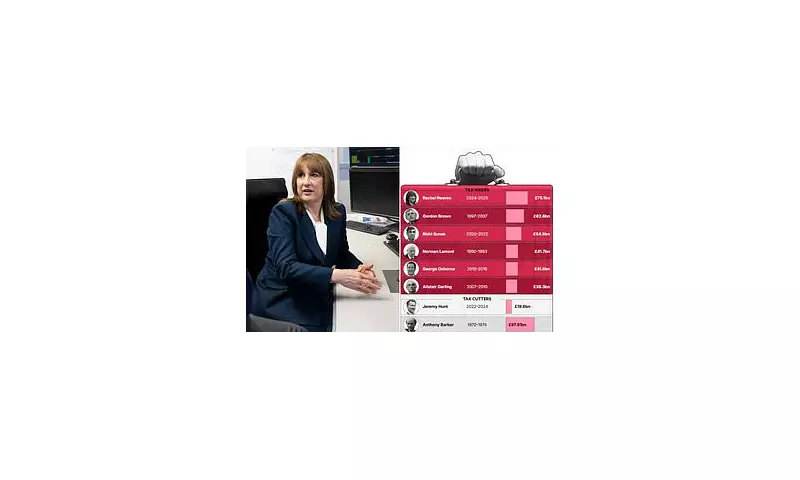
Historical data underscores the scale of recent tax-raising measures. Official figures suggest Chancellor Reeves has secured the dubious distinction of delivering two of the ten biggest tax-raising Budgets on record. Her November 2025 package ranks seventh in the OBR's historical database, while her debut 2024 Budget is rated as the second largest in nearly sixty years.






