

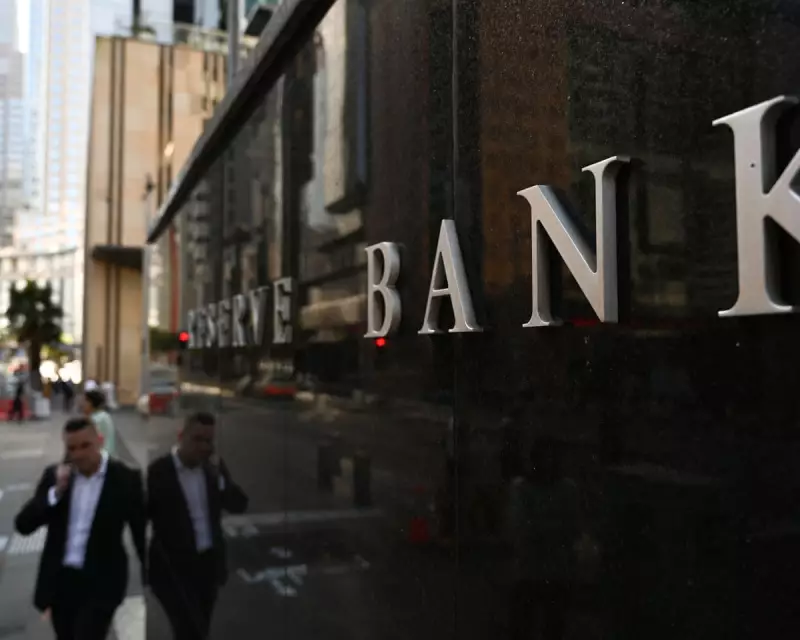
The Reserve Bank of Australia faces a pivotal decision next week, with intense market speculation and economic commentary pushing for an interest rate hike. However, a closer examination of the underlying data suggests that a cautious approach may be the wiser course of action.
The Market's Unwavering Demand for Higher Rates
There exists a significant cohort of economists and financial analysts who are ardent proponents of higher interest rates. For the RBA, raising rates would likely attract minimal criticism from these quarters, as market sentiment appears to overwhelmingly favour such a move. This consensus has been building momentum, particularly among investors and speculators who have been actively betting on an increase.
Deciphering the December Inflation Spike
The recent Consumer Price Index figures for December showed inflation rising from 3.4% in November to 3.8%. This single-month jump of 1% triggered a swift reaction in financial markets, with the probability of a February rate rise being priced at around two-thirds. The Australian dollar also experienced a notable appreciation, driven by international investors positioning for higher yields on Australian assets.

However, a granular analysis reveals a more nuanced picture. An astonishing 71% of the December inflation increase was attributable to international holiday and travel costs, with domestic holidays contributing a further 26%. When these volatile components are excluded, the underlying inflation figure for December rose by a mere 0.02%, with the annual rate remaining essentially stable.
Electricity Subsidies and Their Distorting Effect
Beyond travel, electricity prices have been a major driver of annual inflation, accounting for approximately 10% of the increase over the past year. Crucially, almost all of this impact stems from the removal of state energy subsidies in Perth and Brisbane. For instance, electricity prices in Brisbane in December were 456% higher than the previous year, a spike directly linked to the expiry of government support measures rather than broader economic pressures.
When both the erratic holiday travel costs and electricity subsidy effects are stripped out, the annual inflation rate actually peaked in October at 3.1% and has since steadied at 3.0% for November and December. This core measure provides a clearer view of persistent price pressures.
The Quarterly Data and Underlying Trends
The RBA will also scrutinise the quarterly CPI data, which showed a modest 0.6% rise in the December quarter. The trimmed mean, a key measure of underlying inflation, increased by 0.9%. Annual figures for both metrics also rose, but again, this was heavily influenced by the now-removed electricity subsidies present in earlier data.
Labour Market and Wage Growth Considerations
Despite unemployment falling to 4.1% in December, there are no signs of wages taking off. Recent job vacancy figures indicate that finding employment is becoming more challenging, not easier, which typically suggests that wage growth will continue to slow rather than accelerate. This labour market dynamic reduces the imperative for immediate monetary tightening.
The Path Forward for the Reserve Bank
The straightforward option for the RBA next week is undoubtedly to raise interest rates. Such a move would satisfy market expectations and align with the views of many financial commentators. However, the intelligent strategy involves looking beyond the headline inflation numbers and recognising the temporary factors at play.
By waiting and allowing more data to emerge, particularly regarding the sustainability of inflation without these one-off shocks, the bank could avoid unnecessary economic tightening. The risk of policy error is significant when decisions are based on distorted figures, and a patient, analytical approach may better serve Australia's long-term economic stability.






