The UK's fiscal watchdog made a formal complaint to the Treasury ahead of last week's budget over a series of damaging leaks that it says spread significant "misconceptions" about its economic forecasts.
Watchdog Raises Alarm Over 'Unhelpful' Press Briefings
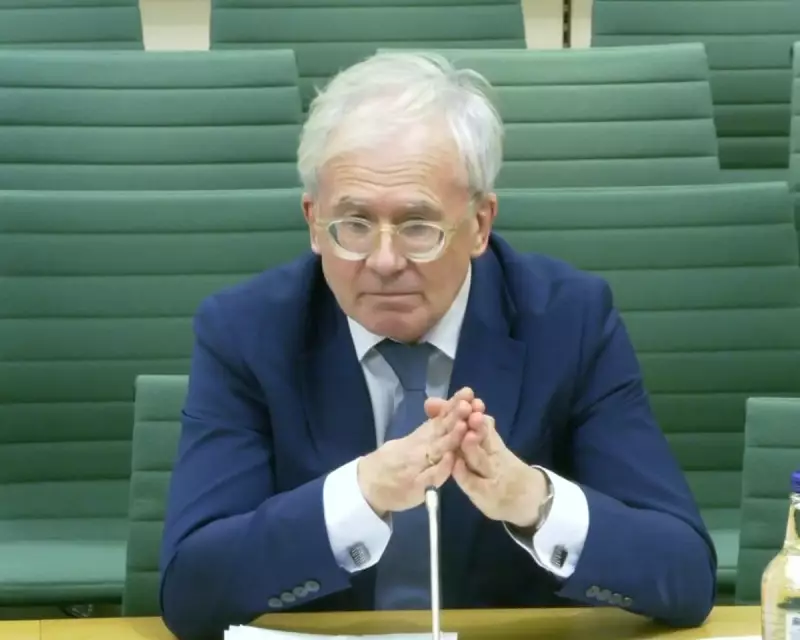
Professor David Miles, a senior member of the Office for Budget Responsibility's (OBR) budget responsibility committee, revealed the complaint during a tense evidence session with the cross-party Treasury select committee on Tuesday. He stated that the OBR had contacted senior officials at the Treasury department to express concern about the volume of information appearing in the media before Chancellor Rachel Reeves delivered her statement.
"I think it was clear that there was lots of information appearing in the press which perhaps wouldn't normally be out there and that this wasn't from our point of view particularly helpful," Miles told MPs. He added that the watchdog had made it clear the leaks were not helpful, but was not in a position to publicly correct them.

Correcting the Record After Chair's Resignation
Miles's appearance followed the resignation of OBR chair Richard Hughes on Monday. Hughes took responsibility for the accidental early release of the watchdog's full budget documents about an hour before the Chancellor's speech. This incident, coupled with what Hughes termed an "unusual step" of publishing a detailed letter last Friday, has plunged the budget process into controversy.
That letter outlined the evolution of the OBR's forecasts over time, directly challenging the government's narrative. Miles explained the publication was necessary because the public had been given a false impression, which was "damaging to the OBR and to the process."
He highlighted two key falsehoods that had taken root: firstly, that the OBR had changed how it assesses government bond yields under political pressure; and secondly, that its forecasts had swung wildly at the last minute, throwing Labour's budget planning into chaos.
Contradicting Government Claims on 'Good News'
Miles's testimony directly contradicted a government briefing from 14 November. As markets reacted to news that Reeves had dropped plans to raise income tax, the briefing suggested this decision stemmed from improved economic forecasts.
"There seemed to be a misconception that there seemed to have been some good news, and I'm not sure where that came from: it didn't exist," Miles stated bluntly. He clarified that the forecast for fiscal headroom had only "gradually improved a little bit" in the run-up to the final pre-measures forecast being sent to the Chancellor on 31 October.
Questioned by Conservative MP John Glen, Miles said the OBR wanted to dispel the notion it was either a "patsy" for the government or that its "fickle behaviour" made governing impossible. However, he defended Chancellor Reeves, denying that her pre-budget speech on 4 November—where she emphasised the dire state of public finances—was misleading. He described the headroom against her fiscal rules as a "sliver."
In a stark warning, Miles suggested the constant stream of conflicting leaks may have actively harmed the economy by heightening uncertainty for consumers and businesses. "I don't think that can have helped," he concluded.
He also defended the OBR's timing in reassessing the UK's underlying productivity outlook this summer—a move that downgraded growth forecasts and frustrated Reeves and Prime Minister Keir Starmer. Miles argued it was right to wait for the shocks of Covid and the Ukraine war to fade, and that acting earlier would have been "trigger happy."