

Minnesota's Economy in Crisis as ICE Surge Paralyzes Small Businesses
In the Twin Cities of Minneapolis and St Paul, a federal immigration crackdown known as "Operation Metro Surge" is wreaking havoc on the local economy, with small businesses bearing the brunt of the fallout. Launched in December, the operation has deployed over 2,700 federal agents to Minnesota, targeting undocumented immigrants but instilling widespread fear across immigrant communities, regardless of legal status.
Fear and Financial Ruin Grip Business Owners
Small business owners report devastating revenue losses, temporary closures, and a climate of terror reminiscent of the Covid-19 lockdowns—but with a critical difference: no federal relief in sight. Soleil Ramirez, owner of Crasqui, a Venezuelan restaurant in St Paul, described a chilling encounter with a suspected plainclothes immigration officer last month, leaving her unnerved despite her legal status as a political refugee. "It's terrifying. All my employees are legal. I'm 100% legal," said Ramirez, who moved to the US in 2016. "But that doesn't mean anything anymore."
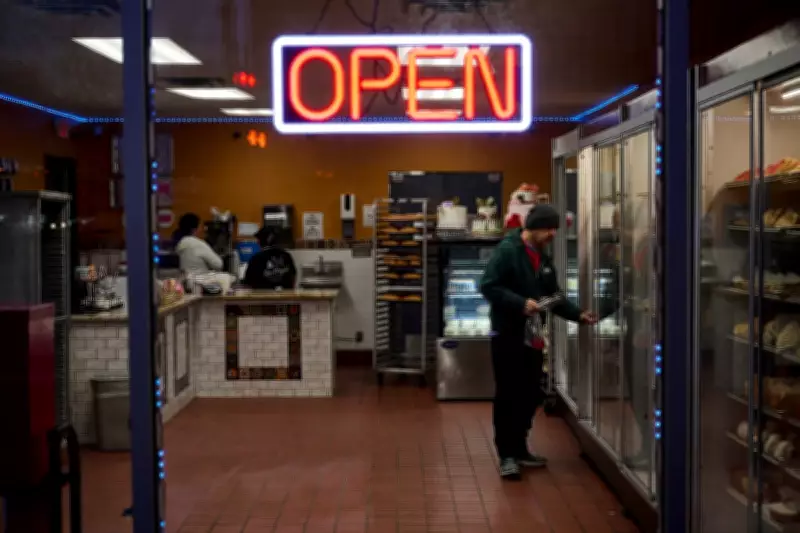
Revenue at Crasqui has plummeted by 65%, mirroring a broader trend. Oscar Murcia, owner of El Guanaco Bakery Y Cafe with three locations, saw sales halve since the surge, forcing him to temporarily close his Minneapolis cafe on Lake Street, a hub for Hispanic businesses. "Most of the stores surrounding Lake Street have closed," Murcia noted, citing customer fear as a primary driver.

Community Impact and Racial Profiling Concerns
The operation has transformed bustling neighborhoods into ghost towns, with businesses locking doors to prevent unwarranted agent entry and many switching to takeout-only models. A survey by the Latino Economic Development Center found nearly a third of over 90 Latino-owned businesses in the Twin Cities temporarily closed due to staff shortages or reduced foot traffic. Alma Flores, CEO of the center, warned of existential threats to immigrant-owned enterprises, emphasizing the fear induced by agents. "People don't want to be near them because, if you have darker skin, you're a target," she said.
Gustavo Romero, co-owner of the Mexican restaurant Oro by Nixta, highlighted the ripple effects on the community, from labor to clientele. "I'm Mexican and I have all my paperwork in order, but I don't feel comfortable being out on the streets," he shared, underscoring the constant threat of racial profiling. An anonymous grocery store owner in East St Paul echoed this, closing his store for home deliveries after loyal customers stopped visiting, despite his naturalized citizenship.
Economic Fallout and Calls for Local Support
Entrepreneurship has long been a lifeline for immigrants in America, with small businesses like restaurants, grocery stores, and salons defining the Twin Cities' cultural and economic landscape. However, the current crisis threatens this vitality. Dylan Alverson, owner of Post Modern Times cafe in South Minneapolis, renamed to reflect the city's state, stressed the importance of these livelihoods. "It's hard to think 'Oh, the economy is important during this time', but at the same time, these are people's livelihoods," he said. "And we can't have cities without immigrant restaurants."
Non-profits have established emergency relief funds, but advocates argue that sustained support must come from city and state governments. "The onus should not be on the philanthropic community alone," Flores asserted. "Cities need to step up. They will lose their tax base. They will lose the vibrancy of their corridors and main streets."
Resilience Amidst Adversity
Despite the fear, communities are rallying together. Neighborhood groups station volunteers to warn of ICE sightings, mutual aid organizations deliver food to those afraid to leave home, and tens of thousands protested enforcement in January. Tammy Wong, owner of Rainbow Chinese in Minneapolis, described living with fear but also witnessing solidarity, such as when her sister provided shelter for tear-gassed protesters. "I thought that was what the neighborhood does: treat everyone like an extended family when they need help," Wong reflected.

In a statement, the Department of Homeland Security denied economic damage from the surge, claiming it makes communities safer by removing criminals. Yet, business owners like Ramirez draw parallels to her past under Venezuelan dictatorship, vowing resilience. "They are not going to break us," she declared. "They are going to keep trying, but I really believe in our community."





