

More than sixty chief executives from major Minnesota-based corporations have united to issue a powerful call for immediate deescalation following recent fatal shootings in Minneapolis. The joint open letter, signed by leaders from companies including Target, Best Buy, UnitedHealth Group, 3M, and General Mills, urges state, local, and federal officials to collaborate urgently as businesses confront escalating tensions.
Corporate Leaders Break Silence on Enforcement Crisis
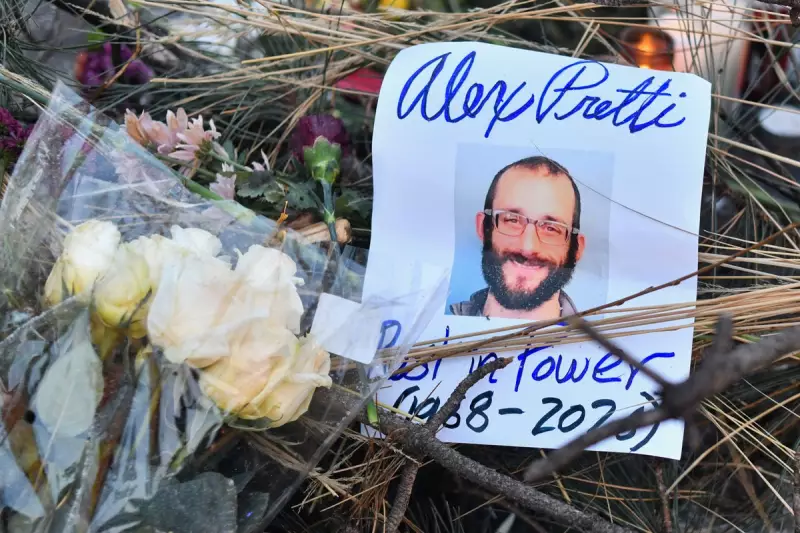
Before this coordinated corporate intervention, most of Minnesota's largest companies had maintained public silence regarding the immigration enforcement surge and subsequent unrest. The dramatic shift comes after two fatal shootings by federal agents during a massive immigration operation sparked widespread protests and community upheaval.
Signatories Include Minnesota's Business Titans
The letter bears signatures from numerous corporate heavyweights including 3M CEO William Brown, Best Buy CEO Corie Barry, General Mills CEO Jeff Harmening, Target incoming CEO Michael Fiddelke, and UnitedHealth Group CEO Stephen Helmsley. Their collective statement represents an unprecedented corporate response to the crisis unfolding in their home state.

"With yesterday's tragic news, we are calling for an immediate deescalation of tensions and for state, local and federal officials to work together to find real solutions," the open letter declares emphatically.
Businesses Face Mounting Pressure and Economic Fallout
The corporate community's involvement has become increasingly unavoidable as protesters have recently targeted businesses perceived as insufficiently opposing federal law enforcement activities. Minneapolis-based Target found itself specifically singled out by demonstrators in recent weeks, highlighting the growing pressure on corporations to take public positions.
Further complicating matters, a Minnesota hotel faced significant backlash earlier in January after refusing accommodation to federal immigration agents, eventually apologizing and acknowledging the refusal violated its own policies following online outrage.
Economic Consequences Become Increasingly Severe
Meanwhile, the State of Minnesota and Twin Cities authorities have filed a lawsuit this month detailing devastating economic impacts from the immigration operations, imploring a federal judge to halt the enforcement activities. The legal filing asserts that some local businesses have reported catastrophic sales declines of up to eighty percent.
The corporate leaders' letter concludes with a plea for stability: "In this difficult moment for our community, we call for peace and focused cooperation among local, state and federal leaders to achieve a swift and durable solution that enables families, businesses, our employees, and communities across Minnesota to resume our work to build a bright and prosperous future."
This corporate intervention marks a significant development as Minnesota's business community grapples with how to address both the immediate crisis and longer-term implications for the state's economic and social fabric.






