Treasury Minister Defends Major Tax Reforms Before Lords Committee
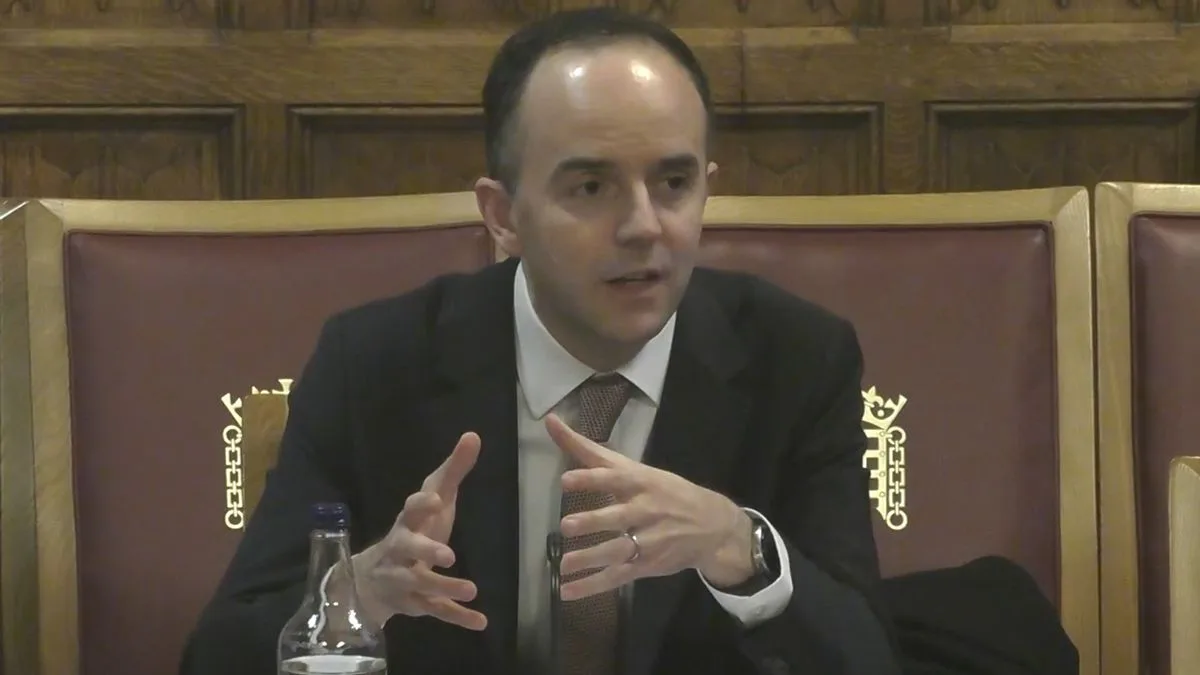
Chief Secretary to the Treasury James Murray has provided detailed explanations regarding significant tax changes being implemented by the Government. The senior minister faced rigorous questioning from the House of Lords Economic Affairs Committee about Labour's fiscal policies and efforts to stabilise the economy.
Scrutiny Over Budget Process and Policy Reversals
The committee began by asking Mr Murray whether he considered the Autumn Budget 2025 rollout "unfortunate" and "counterproductive" given extensive pre-release leaks and subsequent policy reversals. There was considerable speculation in the weeks preceding the Budget that Chancellor Rachel Reeves might increase income tax, prompting Labour to explicitly rule out this possibility as the announcement approached.
Further complications emerged on Budget day itself when the Office for Budget Responsibility accidentally published its report minutes before the Chancellor's scheduled speech, revealing major policies intended for announcement at the despatch box. Mr Murray responded: "The Chancellor made her feelings clear about all of the speculation, and obviously the leak that happened, the fact the leak inquiry is under way and indeed the OBR publishing its report before the Budget was announced itself, all of that process, views have been set out in quite some detail following the Budget process."
Controversial Budget Measures and Government U-turns
The Budget included several contentious tax policies, including maintaining frozen income tax thresholds until 2031, reducing cash ISA allowances, and implementing a new cap on pension salary sacrifice schemes. Committee member Lord Andrew Turnbull questioned whether the Government was making "difficult decisions" but failing to follow through on them, citing numerous policy reversals including changes to Winter Fuel Payment eligibility, Personal Independence Payments rules, and Digital ID plans.
National Insurance Increase Described as "Toughest Decision"
Mr Murray emphasised areas where the Government has maintained its position despite challenges. He stated: "Since coming into Government, we knew that we had inherited a difficult fiscal situation. Look at the example of raising employer National Insurance contributions. It is not something that any of us wanted to do. It was the toughest decision I think we took at that first Budget, but we were determined to make sure that we would restore stability to the public finances and get the NHS and other public services back on their feet."
The employer National Insurance rate increased from 13.8 percent to 15 percent beginning April 2025, as announced in the Autumn Budget 2024. This measure remains in effect despite criticism.
Inheritance Tax Relief Threshold Adjusted After Criticism
The minister also discussed inheritance tax reforms where the Government modified its original proposal while maintaining core principles. Mr Murray explained: "One example where we have changed the policy is around the threshold for agricultural property relief and business property relief. That is one where we have maintained the principle of what we have done. That principle behind the policy remains the Government’s position, but we adjusted the threshold."
Originally proposed in the April 2024 Budget, inheritance tax relief of 100 percent on agricultural and business assets was to be limited to the first £1 million of assets being transferred, with remaining assets taxed at 20 percent. Following widespread criticism, the Government increased this threshold to £2.5 million.
Inheritance tax is typically levied at 40 percent, though individuals benefit from allowances permitting tax-free transfers of up to £325,000 in total assets, plus an additional £175,000 when passing a main residence to direct descendants. Unused allowances can be transferred to spouses or civil partners, potentially allowing tax-free transfers of up to £1 million upon their eventual death.
Mr Murray concluded: "There are numerous other tax choices I could go through, many of which have been tough choices, such as the employer National Insurance that I mentioned, but we think that they are the right and necessary choices."