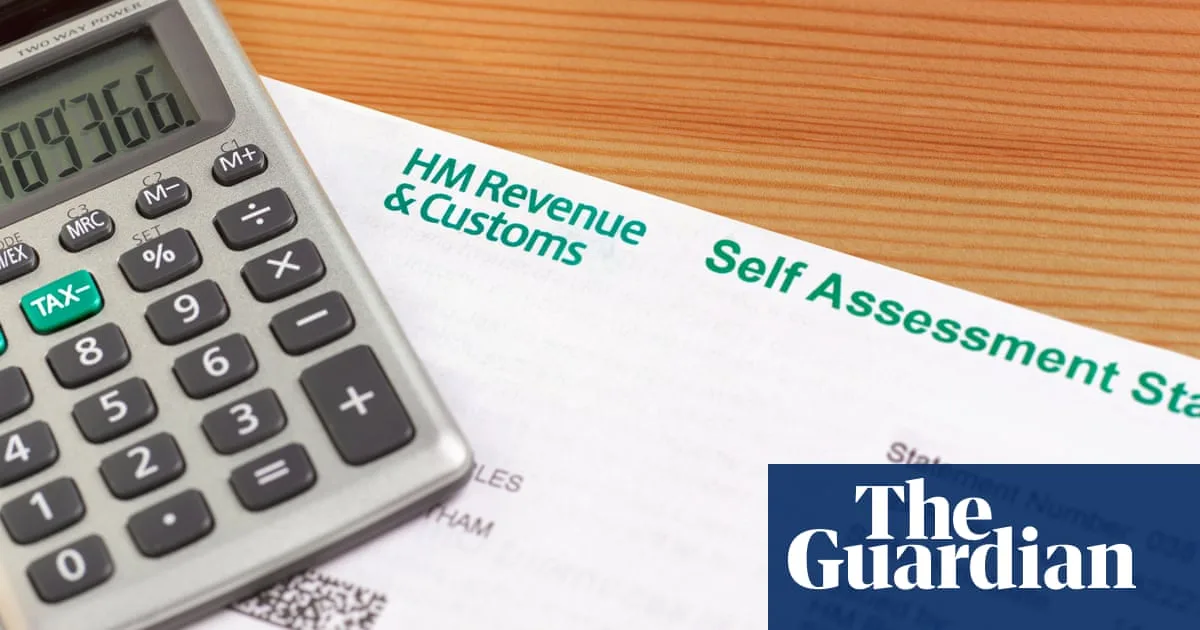
Millions of taxpayers across the UK are on the brink of facing an immediate £100 fine from HM Revenue and Customs (HMRC) if they fail to submit their self-assessment tax returns by the critical midnight deadline tonight, January 31st. This penalty applies even to those who have no tax liability but are still registered for the self-assessment system, underscoring the strict enforcement of filing obligations.
Urgent Warning as Deadline Approaches
As the clock ticks down, HMRC has issued a stark reminder that the deadline for filing tax returns for the 2024/25 tax year is fast approaching. In a recent update, the tax authority revealed that as of January 23rd, a staggering 3.3 million individuals had yet to complete their submissions, highlighting the scale of the potential penalty wave. The self-assessment process is mandatory for various groups, including the self-employed, high earners claiming Child Benefit, and those with rental income or additional earnings beyond their primary employment.
Escalating Penalties for Late Filers
Missing tonight's deadline triggers an automatic £100 fine, but the financial consequences can quickly snowball for those who delay further. If a return remains unfiled after three months, daily penalties of £10 apply, accumulating to a maximum of £900. At the six-month mark, a charge of 5% of the tax owed or £300—whichever is greater—is imposed, with this penalty repeated after twelve months. Additionally, any tax due must be paid by January 31st to avoid accruing interest on late payments, with further fines of 5% of unpaid tax applied at 30 days, six months, and twelve months post-deadline.
Support Options for Taxpayers in Difficulty
For individuals struggling to settle their tax bill, HMRC offers a potential lifeline through its Time to Pay arrangement. This payment plan is available to those owing less than £30,000, provided they have no existing debts or payment plans with HMRC, their tax returns are up to date, and they seek assistance within 60 days of the payment deadline. It's crucial to note that registration for self-assessment should have been completed by October 5th of the previous year to avoid complications.
Who Needs to File a Self-Assessment Tax Return?
Determining whether you fall under the self-assessment requirement is essential to avoid penalties. According to guidelines, you likely need to file if:
- Your self-employment income exceeded £1,000 before tax relief claims.
- You earned over £2,500 from renting out property (contact HMRC if between £1,000 and £2,500).
- You received more than £2,500 in untaxed income, such as tips or commission.
- Your income from savings or investments was £10,000 or more before tax.
- You owe Capital Gains Tax on profits from assets like shares or a second home.
- You're a company director, excluding non-profit organisations like charities.
- You or your partner's income exceeds £60,000 while claiming Child Benefit.
- You have taxable income from abroad or live overseas with UK income.
- Your total taxable income surpassed £150,000.
- You're a trustee of a trust or registered pension scheme.
- Your State Pension was your sole income source and exceeded your personal allowance.
- You received a P800 from HMRC indicating underpaid tax from the previous year.
To confirm your filing status, you can use the online checker available on the HMRC website, ensuring compliance and avoiding unnecessary fines in this critical period.