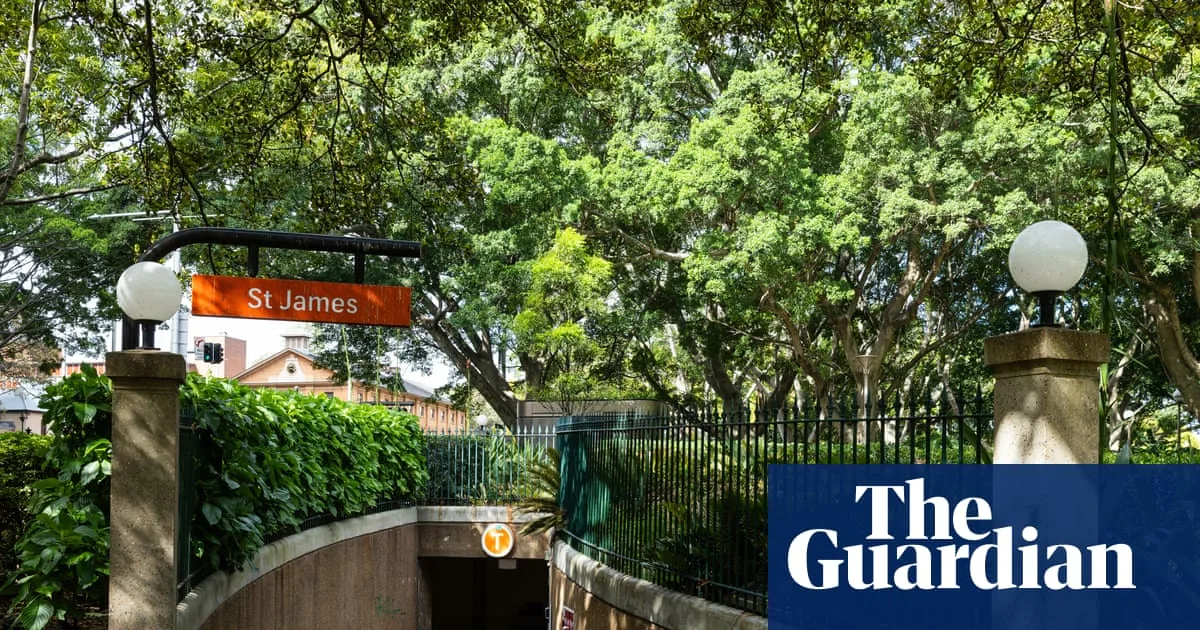
An alliance of 48 councils across Australia has issued a damning statement calling for more support for people in ‘immigration limbo’, following the death of Bikram Lama, a non-resident who died sleeping rough in Hyde Park, Sydney, in December last year. His body was found in bushes near St James station, and his death went unnoticed for up to a week.
Lama came to Australia to study but was deemed a non-resident, which support workers say effectively trapped him in homelessness. The Back Your Neighbour alliance, chaired by Greater Dandenong mayor Sophie Tan, said Lama’s death was evidence of “the human cost of policy-driven exclusion”. Tan stated that people in prolonged immigration limbo are excluded from housing, healthcare, income support and crisis services.
The City of Sydney council will be asked to observe a minute’s silence for Lama on Tuesday night. Councillor Adam Worling, who is moving the motion, said it was unfathomable that such a death could occur and called for better distribution of tax revenue to prevent such tragedies. The council will also request funding from federal and state housing ministers for specialist homelessness services for non-residents.
Frontline workers and advocates have joined the calls for change. Erin Longbottom, nursing unit manager at St Vincent’s homeless health service, said the public response had been heartening but stressed the need for political pressure to fix systemic gaps. Kate Colvin, chief executive of Homelessness Australia, urged the government to extend work rights and a basic safety net to those left without support, including special benefit payments and targeted funding for homelessness services.