

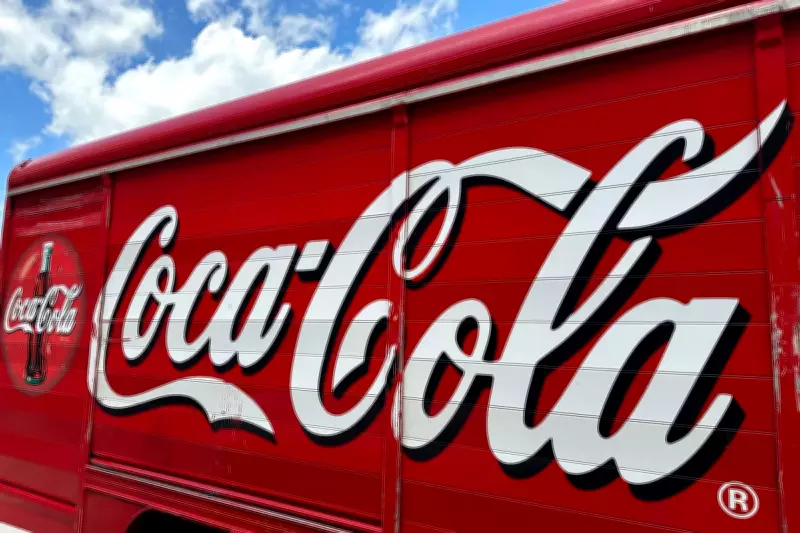
Coca-Cola's Fourth Quarter Sees Resilient Demand Amid Price Increases
Coca-Cola experienced a notable uptick in U.S. consumer demand during the fourth quarter, even as the company implemented higher prices across its product range. This resilience was highlighted in the company's latest financial report, released on Tuesday, which detailed a 1% growth in global unit case volumes for the October-December period.
Key Markets Drive Volume Growth
The beverage giant, headquartered in Atlanta, attributed this volume increase to strong performances in key markets, including the United States, Japan, and Brazil. Notably, North America saw a 1% rise in unit case volumes, marking a reversal from previous quarters of stagnant or declining sales. This positive shift underscores the enduring appeal of Coca-Cola's brands despite economic pressures.
During the quarter, Coca-Cola increased prices by 4% in North America and 1% globally. Among its products, Coca-Cola Zero Sugar stood out with a significant 13% sales surge. Additionally, categories such as water, sports drinks, coffee, and tea demonstrated stronger demand, while juices and dairy products faced challenges.

Consumer Divergence and Strategic Moves
The company has observed a growing divergence among consumers in North America and Europe. Higher-income buyers are increasingly opting for premium brands like Smartwater, Topo Chico, and Fairlife, whereas middle- and lower-income consumers are feeling greater financial strain. In response, Coca-Cola introduced 7.5-ounce mini cans at North American convenience stores last month, aiming to enhance affordability and accessibility for budget-conscious shoppers.
Financial Performance and Market Reaction
Revenue for the quarter increased by 2% to $11.8 billion, though this figure fell short of Wall Street expectations, which had anticipated $12.05 billion. Net income rose by 3% to $2.3 billion. On an adjusted basis, excluding one-time items, the company earned 58 cents per share, surpassing analysts' predictions by 2 cents.
Looking ahead, Coca-Cola forecasts organic revenue growth of 4% to 5% for 2026, following a 5% increase in the previous year. However, this outlook disappointed investors, leading to a nearly 4% drop in shares before the market opened. The decline reflects concerns over whether the company can maintain its momentum amid ongoing economic uncertainties.
Leadership Transition
In a significant leadership change announced in December, Henrique Braun, the current chief operating officer and a 30-year veteran of Coca-Cola, is set to become CEO on March 31. Current Chairman and CEO James Quincey will transition to the role of executive chairman, ensuring continuity in the company's strategic direction.
Overall, Coca-Cola's fourth-quarter results demonstrate robust demand in the face of price hikes, but the tempered outlook has cast a shadow over investor confidence, highlighting the challenges ahead in a competitive and evolving market landscape.






