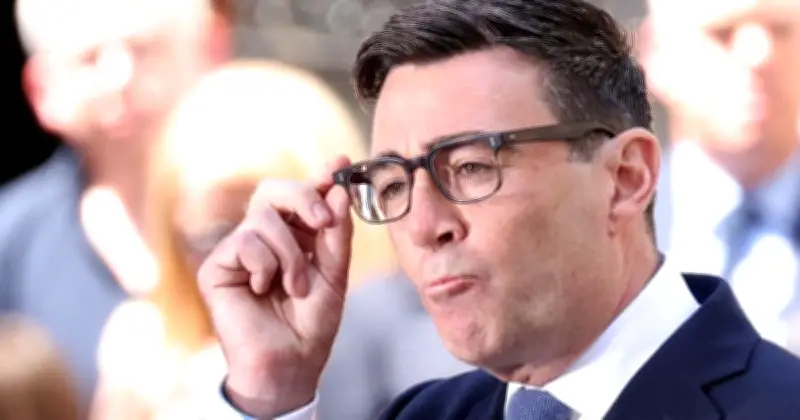
New Prime Minister Andy Burnham has indicated he will keep the state pension triple lock until the next general election, offering reassurance to Britain's 13.2 million pensioners. The former Manchester mayor took over from Sir Keir Starmer on Monday but had previously refused to detail his policies.
The triple lock guarantees the state pension rises each year by the highest of inflation, wage increases, or 2.5%. Mr Burnham told The i Paper that removing the instrument, a Labour manifesto commitment, would be "very damaging".
Economic warnings
However, the Office for Budget Responsibility (OBR) has warned that keeping the triple lock could cause debt to spiral to three times the size of the economy. In its latest fiscal risks report, the OBR said state pension spending is projected to rise from 5% of GDP to about 9% by 2075-2076, driven partly by an ageing population and the triple lock itself.
The OBR estimates the triple lock will add about £15.5 billion to state pension spending each year by 2029-2030, up from the original £5.2 billion. Tom Josephs of the OBR said: "It is certainly a substantial pressure on public spending over the longer term and is making a very significant contribution to that upward pressure on spending."
Opposition to the lock
Former cabinet minister Liam Byrne, once chief secretary to the Treasury, argued in June for "a gradual move from the triple lock's ratchet effect toward a more stable uprating mechanism". Lord Jim O'Neill, an economist close to Mr Burnham, also said he was trying to "convince" the new PM to ditch the system.
Mr Burnham has appointed former defence secretary John Healey as chancellor, who will need to find funding for pensions in an ageing country.