








Entertainment

What We Ask Google Review: Secrets of Our Search History
Simon Rogers' 'What We Ask Google' explores the intimate truths revealed by our search queries, from fears to desires, offering a unique portrait of humanity.





Politics

Chinese Dissident Detained in South Korea After Rubber Boat Escape
Dong Guangping, 68, was detained by South Korean coastguard after fleeing China in a rubber boat, travelling over 30 hours to reach democratic neighbour.



Sports

Michael O'Neill signs new long-term Northern Ireland deal until 2032
Michael O'Neill has signed a new contract to remain Northern Ireland manager until 2032, turning down an offer from Blackburn Rovers. He will lead the squad in upcoming friendlies.



Crime

Girl, 11, Nearly Blinded by Exploding Tesco Toy in Viral Trend
An 11-year-old girl was rushed to hospital after a squishy cube bought from Tesco exploded in her face during a dangerous social media trend. She may need skin grafts.






Health




Environment

Metallophytes Thrive on Heavy Metal Spoil Heaps
A new study reveals that metallophyte plants are flourishing on heavy metal contaminated spoil heaps, offering a natural solution for bioremediation and ecosystem restoration.

Spain Orange Alert as Temperatures Reach 40C
Spain's orange weather alert warns of 40C heat this week, with the Basque Country facing 37C. Aemet links the heatwave to climate change, noting more frequent and intense episodes.
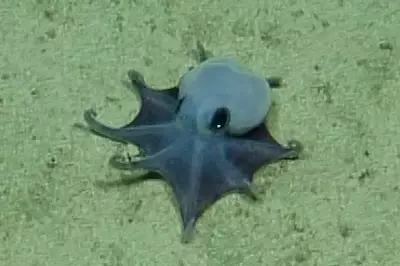
New Octopus Species Found Near Galapagos
A new deep-sea octopus species, Microeledone galapagensis, has been confirmed from a specimen discovered off the Galapagos Islands in 2015 using CT scans.

UK Heatwave Breaks Night-Time Temp Record Third Day
The Met Office reports the highest daily minimum temperature in May has been broken for a third consecutive night, with Camborne, Cornwall recording 21.4°C.

Alan Titchmarsh: Which Plants to Water or Sacrifice in Heatwave
Gardening expert Alan Titchmarsh advises on prioritizing watering during drought, suggesting which plants can be left without water and how to conserve resources.
Tuesday Test: Can You Answer These UK Sports Questions?
Test your knowledge of British sports with our Tuesday quiz featuring 100 questions about football, cricket, and rugby. Perfect for sports enthusiasts and trivia lovers.
