Botswana's Diamond Stockpile Crisis: Economic Contraction Looms as Gem Prices Collapse
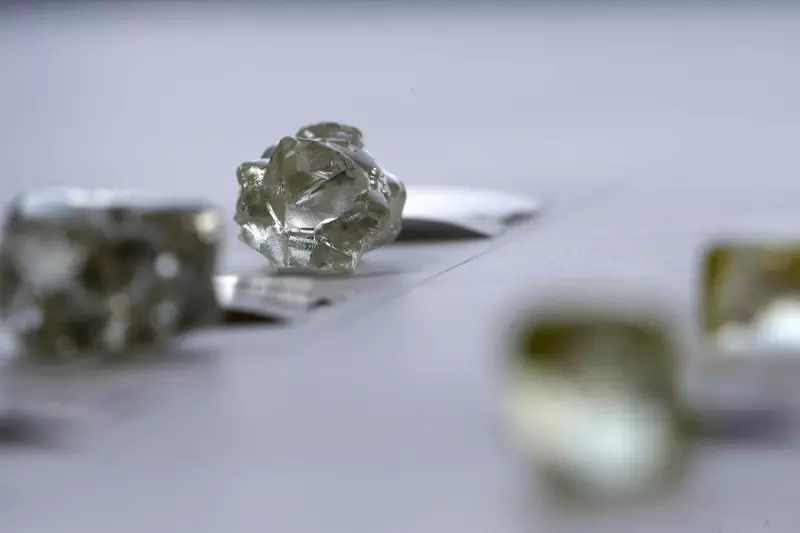
The African nation of Botswana is facing a severe economic challenge as its diamond stockpile continues to grow, severely limiting the country's ability to increase gem production and boost its struggling economy. According to a finance ministry statement, Botswana's diamond inventory has reached nearly double its target levels, creating significant pressure on the nation's fiscal health.
Production Figures and Inventory Concerns
Botswana produced an impressive 18 million carats in 2024, ranking second globally only to Russia according to the Kimberley Process Certification Scheme. However, this production success has been overshadowed by mounting inventory problems. A finance ministry paper obtained by Reuters revealed that by December 2025, Botswana had accumulated a 12 million carat stockpile – nearly double the government's allowable inventory of 6.5 million carats.
The price slump that created this inventory crisis forced Debswana, the joint venture with De Beers responsible for 90 per cent of Botswana's diamond sales, to temporarily suspend production at some mines last year. This production adjustment reflects the broader challenges facing the traditional diamond market.

Economic Impact and Contraction Projections
Botswana's economy is projected to shrink by almost 1 per cent in 2025, following a 3 per cent contraction the previous year. This economic decline stems directly from collapsing diamond prices, driven by two primary factors: the increasing market presence of lab-grown gems and persistently weak global demand for natural diamonds.
The finance ministry's budget document stated clearly: "This suggests that, over the short term, production is expected to remain broadly unchanged, until the level of inventories is drawn down closer to minimum allowable levels, creating room for additional production." The ministry further warned that limited scope for increased diamond output will constrain the economy unless the non-mining sector performs exceptionally strongly.
Revenue Dependence and External Pressures
Diamonds normally contribute around one-third of Botswana's national revenues and three-quarters of its foreign exchange receipts, making the current crisis particularly damaging to the nation's economic stability. The situation is further complicated by international trade developments.
Botswana's exports to the United States, including diamonds, now face a 15 per cent tariff. The ministry added that higher tariffs imposed on major diamond consuming markets such as India could prolong lower gem prices and squeeze profit margins even further. "This may ripple through to mining operations. A slowdown in mining activity would reduce government's fiscal revenues from the sector," the ministry cautioned.
Financial Projections and Historical Context
The financial impact is already becoming apparent in government projections. Botswana's mineral revenues are estimated to reach just 10.3 billion pula ($729.24 million) in the 2025/26 period, compared to a historical annual average of 25.3 billion pula. This dramatic reduction reflects both lower diamond sales and the depressed prices affecting the entire industry.
The combination of growing stockpiles, production limitations, and external market pressures creates a perfect storm for Botswana's diamond-dependent economy. As the nation navigates these challenges, attention turns to whether the non-mining sector can provide sufficient economic support while the diamond market stabilizes.