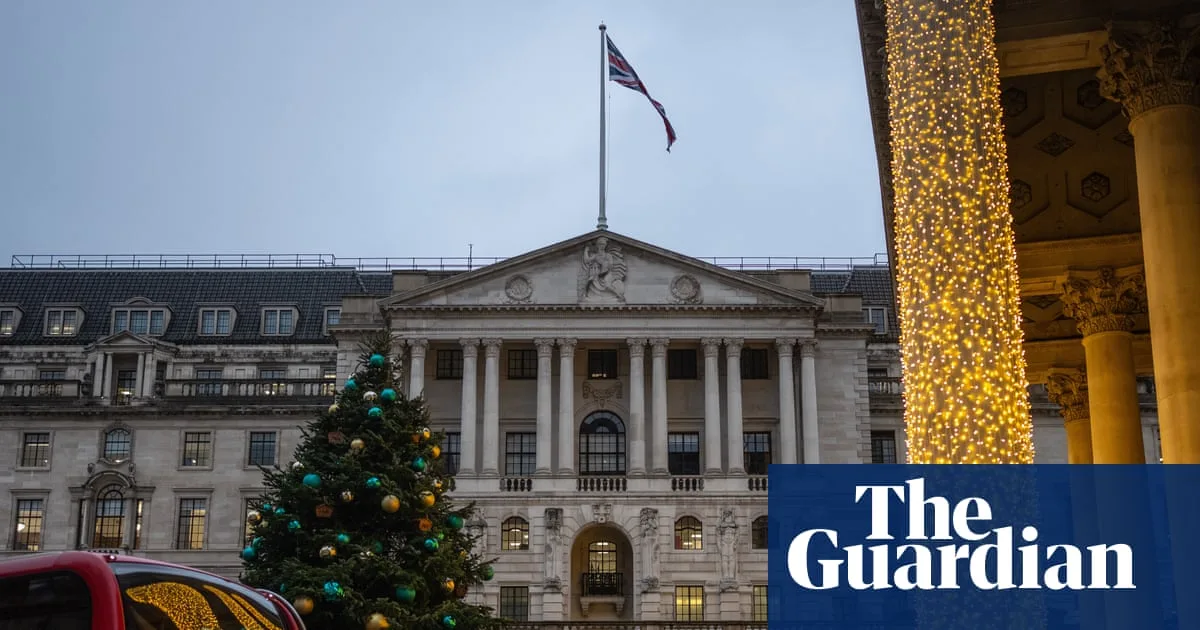
The Bank of England has opted to maintain its benchmark interest rate at 3.75%, a decision driven by its ongoing commitment to ensuring inflation remains anchored around the official 2% target. This move comes alongside a significant revision of the UK's economic growth prospects, with the central bank issuing a more pessimistic outlook for the coming years.
Inflation Target Achieved Sooner Than Expected
New projections from the Bank's Monetary Policy Committee (MPC) indicate that the Consumer Prices Index (CPI) inflation rate is now anticipated to fall back to the 2% target within the current year. This represents a notable acceleration from previous forecasts, which had suggested this milestone would not be reached until 2027.
Andrew Bailey, the Governor of the Bank of England, provided an optimistic assessment regarding the inflation trajectory. "We now think that inflation will fall back to around 2% by the spring. That's good news," he stated. "We need to make sure that inflation stays there, so we've held interest rates unchanged at 3.75% today."
Scope for Future Rate Cuts
Governor Bailey also hinted at potential monetary policy easing later in the year, contingent on economic conditions. "All going well, there should be scope for some further reduction in the bank rate this year," he added, suggesting that the current hold is a strategic pause rather than a permanent peak for rates.
The MPC believes that fiscal measures announced in the Chancellor's recent autumn budget will contribute to slowing inflation. A specific package of support designed to reduce household energy bills from April is cited as a key factor in this improved inflation forecast.
Growth Forecasts Downgraded, Unemployment to Rise
Despite the positive news on inflation, the Bank's economic assessment contained sobering revisions to growth and employment figures. The central bank has formally downgraded its growth forecast for 2026 from 1.2% to just 0.9%. The outlook for 2027 has also been trimmed, moving from 1.6% to 1.5%.
Concurrently, the Bank's projections for the labour market have worsened. Officials now expect the unemployment rate to rise to 5.3% this year, a notable increase from the November forecast which predicted a peak of 5.1%. This indicates growing concerns about economic slack and weaker job creation in the near term.
A Balancing Act for Policymakers
The MPC's latest decisions and forecasts underscore the delicate balancing act facing UK economic policymakers. The primary goal of controlling inflation appears to be on track, achieved through a period of historically elevated interest rates. However, this monetary policy stance is now clearly intersecting with a deteriorating growth environment and a softening labour market.
The hold at 3.75% reflects a cautious approach, allowing previous rate hikes to fully permeate the economy while assessing the impact of forthcoming fiscal support. The Bank's updated outlook suggests the UK economy is entering a period of subdued growth, even as the immediate threat from high inflation begins to recede.