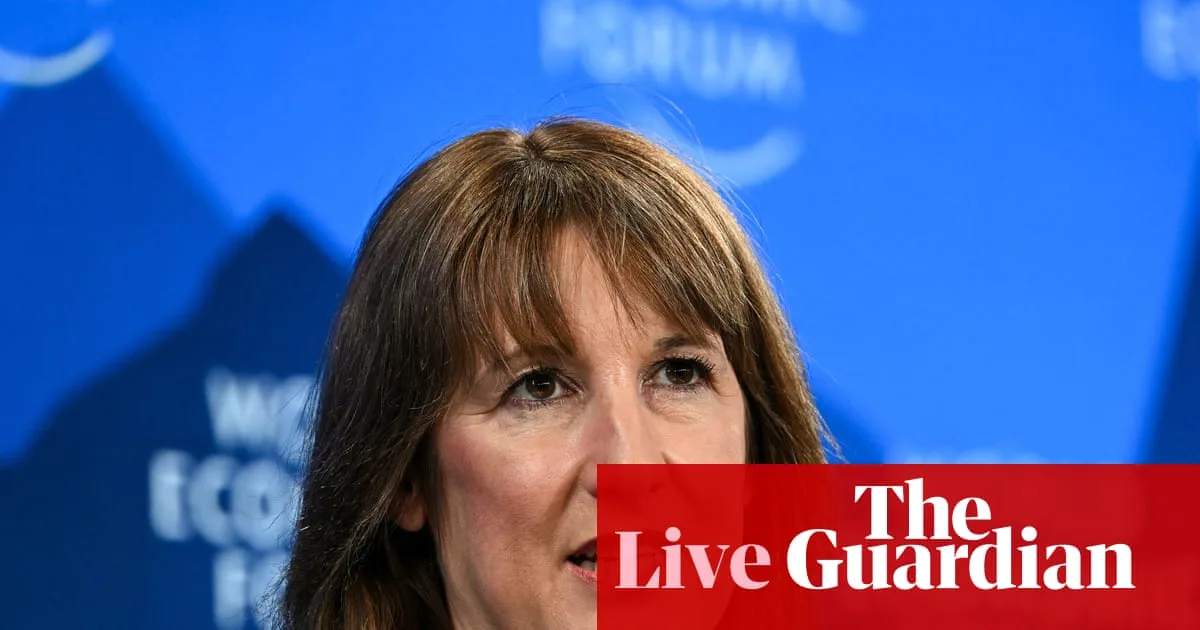
The European Commission President Ursula von der Leyen has described Donald Trump's threat of tariffs over Greenland as an error, as tensions at the World Economic Forum in Davos escalate. Speaking at the summit, she called for Europe to respond to geopolitical shocks with unity and calm.
California Governor Gavin Newsom launched a blistering attack on European leaders, calling their reaction to Trump 'pathetic' and 'embarrassing'. He urged them to stop being 'complicit' and to stand up to the United States, accusing them of saying one thing in public and another in private. 'There's no diplomacy with Donald Trump -- he's a T-Rex, you mate with him or he devours you,' Newsom said.
Trump's proposed 'Board of Peace' with a $1 billion membership fee is reportedly faltering, with G7 leaders declining invitations. He has threatened France with 200% tariffs on champagne and criticised UK Prime Minister Keir Starmer over the Chagos Islands. The US Federal Reserve Chair Jerome Powell is facing a criminal investigation by the US Department of Justice over renovation costs, widely seen as retaliation for not cutting rates faster.

Bank of England Governor Andrew Bailey has defended Powell, signing a letter of support alongside nine other central bank chiefs. Bailey told the Treasury Committee that while it was not his place to intervene, the situation raised concerns for the US dollar as the world's reserve currency. He described Powell as a man of 'utmost integrity'.
Microsoft CEO Satya Nadella warned that AI could lose public support if it fails to deliver benefits beyond the tech sector. Speaking at Davos, he said that without improvements in education, public services, and competitiveness, the social permission to use scarce energy resources for AI would be lost. He added that for AI investment not to be a bubble, its benefits must be evenly spread across the economy.