Billionaire wealth surged at three times its recent pace last year, reaching a record high and deepening economic and political divides that threaten democratic stability, anti-poverty group Oxfam warned on Monday.
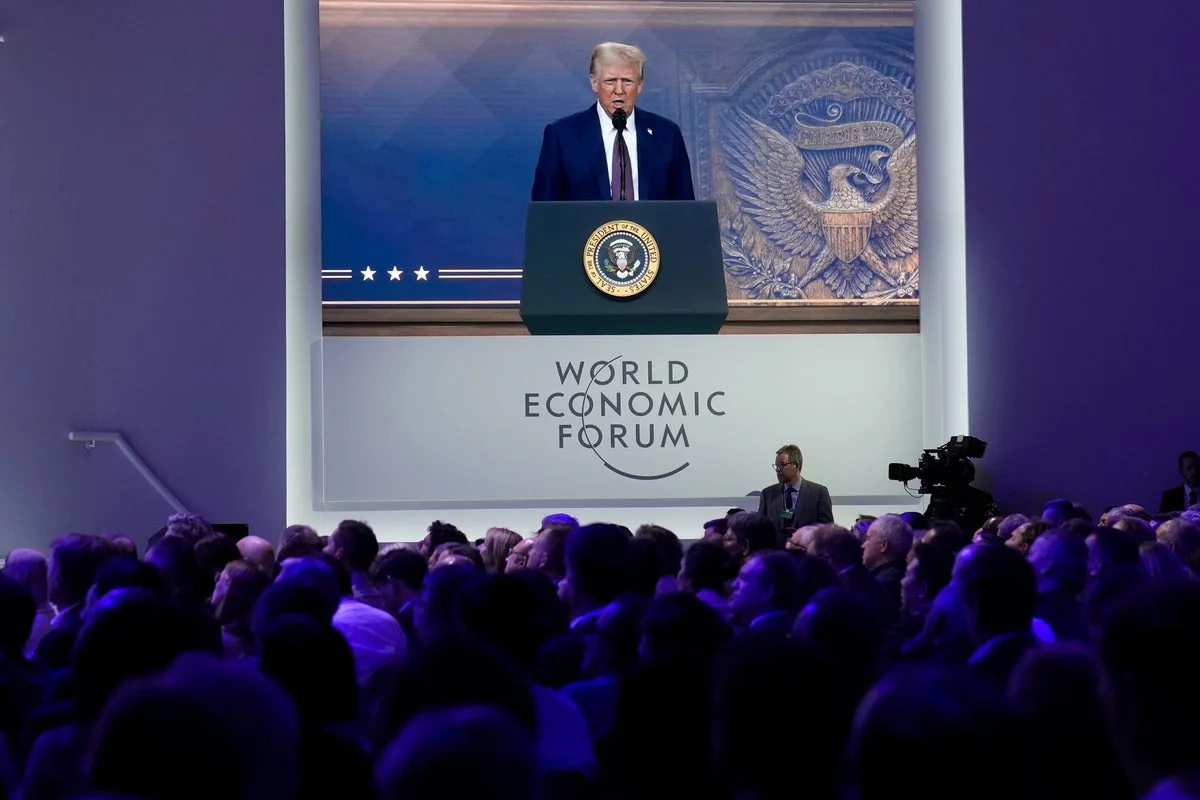
Timed for the opening of the World Economic Forum in Davos, Oxfam's report revealed global billionaire fortunes jumped 16% in 2025 to $18.3 trillion, extending an 81% rise since 2020. These gains occurred even as one in four people worldwide struggle to eat regularly and nearly half the global population live in poverty.
Oxfam’s study, drawing on academic research and data from sources like the World Inequality Database and Forbes' rich list, argues this wealth boom is matched by a dramatic concentration of political clout. Billionaires, it states, are 4,000 times more likely than ordinary citizens to hold political office.
The group links the latest wealth surge to policies under U.S. President Donald Trump, whose second administration has cut taxes, shielded multinational corporations from international pressure and eased scrutiny of monopolies. Soaring valuations of artificial intelligence companies have added further windfall gains for already wealthy investors.
Oxfam urged governments to adopt national inequality reduction plans, impose higher taxes on extreme wealth and strengthen firewalls between money and politics, including curbs on lobbying and campaign financing. The report highlights what it calls the expanding grip of ultra‑wealthy business figures over traditional and digital media, noting billionaires now own more than half of the world’s major media firms.
Wealth taxes are levied in just a few countries such as Norway at present but others, from Britain to France and Italy, have debated similar moves. The Nairobi-based charity calculates that the $2.5 trillion added to billionaires' fortunes last year is roughly equal to the stock of wealth held by the poorest 4.1 billion people.