The world's billionaires saw their collective wealth reach a record $18.3 trillion (£13.7 trillion) in 2025, with the number of billionaires surpassing 3,000 for the first time, according to Oxfam's annual inequality report. Since 2020, their wealth has grown by 81%, an increase of $8.2 trillion, which the charity says would be enough to eradicate global poverty 26 times over.
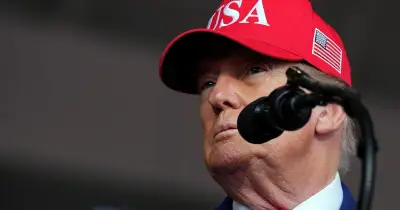
Oxfam's report highlights what it calls the 'brazen' political influence of the super-rich, accusing governments of choosing oligarchy over democracy. Co-author Max Lawson stated that governments worldwide are 'choosing to defend wealth, not freedom' and are repressing public anger over austerity and unaffordable living costs rather than redistributing wealth.
The report notes that billionaires are 4,000 times more likely than an ordinary person to hold political office, and more than half of the world's media companies and nine of the top ten social media platforms are owned by billionaires. In the US, research shows that if the rich support a policy, it has a 45% chance of being adopted, compared to 18% if they oppose it.
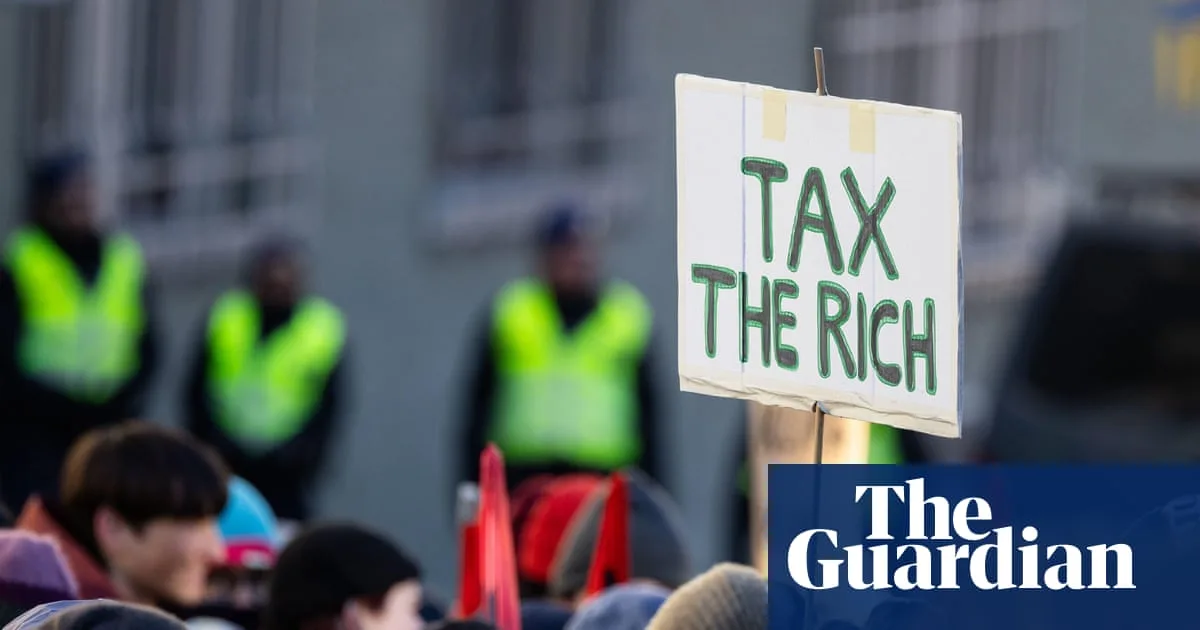
Protests against inequality have erupted globally, including in Kenya, where activist Wanjira Wanjiru described stark disparities in Nairobi's Mathare slum, where residents lack clean water while a nearby golf club maintains sprinklers. In Nepal, protests in September 2025 led to the unseating of the government, with billionaire politician Binod Chaudhary's properties burned down.
Despite the grim findings, Oxfam and activists express hope that youth-led uprisings, particularly in developing countries, are challenging the influence of the rich. Wanjiru said, 'When people are oppressed, they always rebel,' while Nepali protester Pradip Gyawali called for a 'new revolution' giving youth a say in politics.