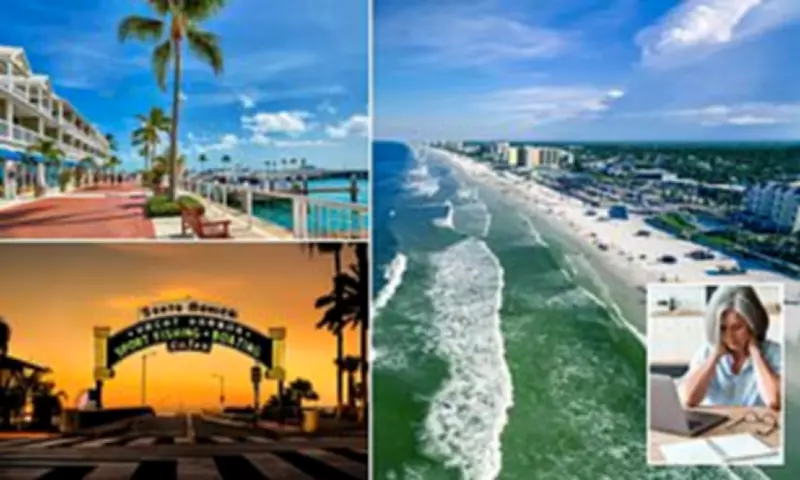
Dreaming of a seaside retirement? For many Americans, it is the ultimate retirement goal — sunshine, ocean views, and slower living. However, financial experts warn that some of the country's most popular beach destinations come with hidden costs that can drain your retirement savings.
Analysis highlighted by FinanceBuzz points to a mix of soaring home prices, rising insurance costs, and lifestyle pressures that can make these 'dream' locations far less relaxing in reality. Here are some of the beach hotspots retirees may want to think twice about.
Miami, Florida
Miami offers plenty of beaches and world-class entertainment, but it is an expensive place to retire. Miami is a top US retirement destination, with more than 18 percent of the Miami-Dade population aged 65 and older. But while the city offers world-class beaches and entertainment, FinanceBuzz warns the costs can quickly stack up. Median home prices sit around $579,564, while homeowners' insurance often exceeds $2,845 a year due to hurricane risk, with flood coverage pushing that even higher. Add in heavy traffic and year-round tourism, which can make day-to-day life feel anything but laid back.

Venice Beach, California
FinanceBuzz highlights Venice Beach as one of California's priciest coastal markets. With a median age of around 40, Venice Beach skews younger than many traditional retirement destinations, but that does not make it any more affordable. Median home prices regularly top $1.8 million, and in many cases climb well beyond $2.5 million, with prime beachfront properties fetching upwards of $10 million. The cost of living is roughly 83 percent higher than the national average, adding further pressure for retirees on a fixed income. Beyond the price tag, lifestyle trade-offs can also come into play. Crowded boardwalks, visible homelessness, and limited nearby senior-focused healthcare may make day-to-day living less comfortable. Overall, the experts say it is better suited to high-net-worth buyers seeking a lively, urban beach scene rather than a quiet retirement escape.
Palm Beach, Florida
Palm Beach is home to at least 65 billionaires and is known for ultra-luxury lifestyles, but that exclusivity comes at a steep price. FinanceBuzz found that median home values were above $2 million, in addition to insurance premiums that can exceed $8,600 annually in this hurricane-prone area. Everyday expenses are higher too, from groceries to dining. With fewer than 10,000 full-time residents, the area swells during peak season, bringing even more traffic and crowds.
Waikiki, Hawaii
For many Americans, retiring in Hawaii is the ultimate fantasy, and Waikiki offers city convenience alongside some of the world's most famous beaches. But paradise does not come cheap. FinanceBuzz reports Honolulu's cost of living is about 84 percent above the US average, with utilities nearly double typical costs. Healthcare is also more expensive and often involves longer waits, while constant tourism keeps the area busy year-round. Waikiki draws millions of visitors annually and sits within Honolulu, a city of roughly 350,000 people.
Santa Monica, California
Santa Monica offers iconic coastal living, complete with its famous pier and proximity to Los Angeles. But that comes with big-city pricing. FinanceBuzz reports median home values in Santa Monica exceed $1.7 million, and come with high taxes, heavy traffic, and expensive day-to-day living. With around 90,000 residents, Santa Monica blends beach life with urban intensity, and limited senior housing options can make long-term planning tricky.

Myrtle Beach, South Carolina
Myrtle Beach has become one of the fastest-growing retirement destinations in the US, drawing thousands of seniors each year with its 60 miles of coastline and abundance of golf courses. But while it may look like a budget-friendly beach escape, the costs can be less predictable than they seem. FinanceBuzz highlights rising flood insurance premiums as a key concern, particularly in high-risk coastal areas where costs can run into the thousands annually. Climate-related flooding and updated risk assessments costing more than $1,500 in some cases have pushed premiums higher in recent years, adding another layer of financial uncertainty for homeowners. On top of that, the area's seasonal economy can cause sharp swings in prices and services, and with around 17 million visitors each year, traffic and crowds can dominate during peak months, potentially disrupting the relaxed lifestyle many retirees are seeking.
Panama City Beach, Florida
With its sugar-white sands and spring break reputation, Panama City Beach can shift from a peaceful coastal retreat to a high-energy hotspot depending on the season. More than 10 million visitors arrive each year, dramatically changing the pace of life in this small city of just over 18,000 residents — something retirees may want to factor in. But the bigger concern is cost. FinanceBuzz highlights growing pressure on homeowners, with insurance premiums often topping $6,000 annually due to high hurricane exposure. Rising property values and stricter flood zone requirements are only adding to the strain. As of 2026, the area is facing an intensifying insurance crunch, meaning what looks like an affordable beach escape could come with increasingly unpredictable and rising costs.
Daytona Beach, Florida
Best known for the Daytona 500 and its deep-rooted motorsports culture, this coastal city of around 75,000 residents blends beach living with a packed events calendar. But beneath the appeal, financial pressures are mounting. FinanceBuzz notes that while median home prices sit at a relatively modest $245,000, the broader cost picture is more challenging. Homeowners are facing a growing insurance crisis, with premiums often exceeding $6,000 a year due to rising climate risks and soaring reinsurance costs. Increased flood exposure, climbing property values, and insurers pulling out of the market have created what some describe as a 'climate shock.' That combination could put downward pressure on home values, push residents toward costly state-backed insurance options, and even raise the risk of mortgage strain — making Daytona a riskier bet for retirees than it first appears.
Atlantic City, New Jersey
Nicknamed the 'Vegas of the East Coast,' Atlantic City is known for its casinos and historic boardwalk. But while it may feel like a permanent vacation, FinanceBuzz highlights that New Jersey's property taxes — averaging over $10,570 a year — can take a serious bite out of retirement budgets. Add in higher crime rates and a seasonal economy, and the lifestyle can feel inconsistent. The city has around 38,000 residents, with tourism driving boom-and-bust cycles throughout the year.
New Smyrna Beach, Florida
New Smyrna Beach, Florida, consistently ranks as one of the top surf towns in the US. It has a laid-back vibe and great waves, but FinanceBuzz flags some serious drawbacks for retirees. The town is famously nicknamed the 'shark bite capital of the world' due to frequent — though rarely fatal — shark encounters, and strong ocean currents can also pose risks. Beyond safety concerns, rising insurance costs linked to hurricane exposure are adding financial pressure. Median home prices now exceed $445,000, with property taxes continuing to climb, making this once-affordable beach spot increasingly expensive.
Key West, Florida
The southernmost point in the continental US, Key West is famous for its pastel-colored conch houses, island sunsets, and relaxed lifestyle. But that tropical dream does not come cheap. FinanceBuzz warns it is one of the most expensive places to live in Florida, with high housing costs, pricey everyday essentials, and steep insurance premiums due to hurricane risk. Its remote location also drives up costs. According to Best Places, Key West scores 154 on the cost-of-living index — 100 as the US average — including a staggering 274 for housing and 145 for healthcare, suggesting that even a modest lifestyle can stretch retirement budgets.
Huntington Beach, California
Known as 'Surf City USA,' Huntington Beach offers classic California coastal living — but at a premium. The city has a population of around 200,000, including more than 32,000 residents nearing retirement age, making it a popular — but pricey — destination for older Americans. FinanceBuzz reports median home prices top $1.3 million, with the overall cost of living about 64 percent higher than the national average. Add in traffic congestion and higher healthcare costs, and the financial strain can quickly build for retirees on a fixed income.