

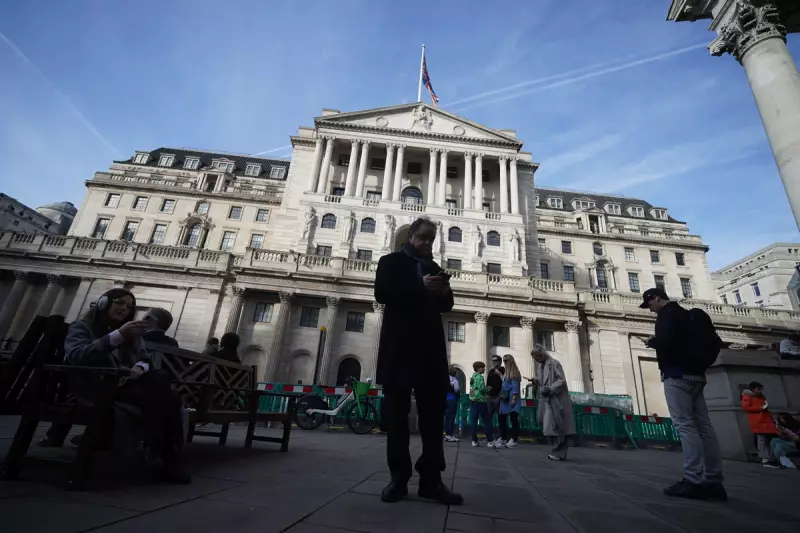
The Bank of England has taken decisive action to lower borrowing costs, cutting the base interest rate to 3.75%. This marks the fourth reduction this year and brings the rate to its lowest point since the beginning of 2023.
A Tightly Contested Decision
In a move that highlighted significant debate among policymakers, the Bank's nine-member Monetary Policy Committee (MPC) voted five to four in favour of the 0.25 percentage point cut on Thursday, 18 December 2025. The decision was far from unanimous, reflecting ongoing uncertainty about the economic outlook.
The five members who supported the reduction were Governor Andrew Bailey, Sarah Breeden, Swati Dhingra, Dave Ramsden, and Alan Taylor. Conversely, Megan Greene, Clare Lombardelli, Catherine Mann, and Huw Pill argued for holding the rate steady at 4%. This is the sixth cut since rates peaked at 5.25% last year.

Implications for Mortgages, Loans, and Savings
This change in the base rate directly influences the cost of borrowing across the economy. For homeowners, it signals potential relief on variable-rate mortgages and could lead to lower rates when remortgaging, as many lenders have already been reducing their offers in anticipation.
However, the news is a double-edged sword. While borrowers may benefit, savers are likely to see returns on their deposits diminish in the coming weeks, as savings rates typically follow the direction of the base rate.
Inflation and Economic Growth: The Driving Forces
The primary tool for controlling inflation is the interest rate. The latest data showed UK Consumer Prices Index (CPI) inflation at 3.2% in November, aided by falling food prices. The MPC now believes inflation will drop back more swiftly from April 2026, potentially nearing the Bank's 2% target sooner than expected.
Forecasts from the Office for Budget Responsibility had previously suggested inflation would not settle at the target until 2027. The MPC noted that measures from the recent Budget could lower CPI inflation by approximately 0.5 percentage points.
Beyond inflation, the cut is also a response to sluggish economic growth. UK GDP expanded by a mere 0.1% in the third quarter and is projected to be flat in the final quarter. Deputy Governor Dave Ramsden cited a "sluggish growth outlook" and weak consumer confidence as key reasons for his vote to cut.
The labour market is also showing signs of softening, with unemployment rising to 5.1% in the three months to September, and pay growth is expected to ease further.
What Comes Next for Interest Rates?
Governor Andrew Bailey indicated that while rates are still on a "gradual path downward," future decisions are becoming "closer" calls with each reduction. Economists anticipate at least one more cut, with some predicting a move as soon as April 2026.
Rob Wood, chief UK economist at Pantheon Macroeconomics, forecast another reduction in April but warned it would be a "closely fought decision" that could be disrupted by persistent pay growth.
Chancellor Rachel Reeves welcomed the cut as "good news for families with mortgages and businesses with loans," underscoring the government's focus on easing the cost of living and stimulating economic activity.






