

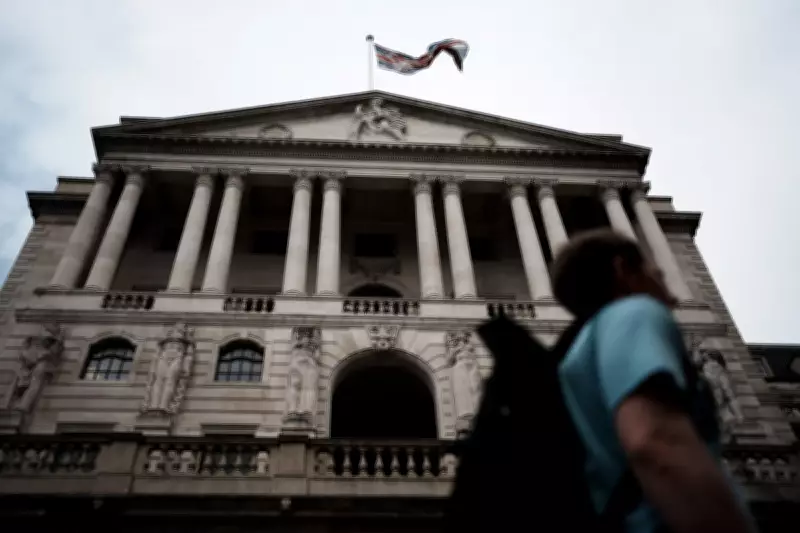
The Bank of England has opted to maintain the base interest rate at 3.75% in its latest policy decision, a move accompanied by a significant downgrade to its economic growth projections for the United Kingdom. This decision comes as the central bank seeks to ensure that inflation remains anchored close to its longstanding target of 2%.
Revised Forecasts Paint a Sobering Economic Picture
In a notable shift, the Bank's Monetary Policy Committee (MPC) has substantially revised its outlook for the UK economy. Growth forecasts for 2026 have been cut from 1.2% to just 0.9%, while the projection for 2027 has been trimmed from 1.6% to 1.5%. The Bank also adjusted its estimate for 2025 growth downwards to 1.4%, having previously anticipated 1.5%.
Alongside these growth revisions, the unemployment forecast has taken a turn for the worse. Officials now expect the jobless rate to climb to 5.3% this year, a notable increase from the November prediction of a 5.1% peak. The unemployment rate is then projected to decline gradually to 5.2% in 2027 and 5.1% in 2028, which remains higher than previous forecasts of 5% and 4.8% for those respective years.

Inflation Trajectory Shows Encouraging Signs
The primary rationale for holding rates steady centres on the inflation outlook. The MPC's new forecasts indicate that the Consumer Prices Index (CPI) inflation rate is now expected to fall to the 2% target this year, a full year earlier than the previous projection of 2027. Governor Andrew Bailey stated, "We now think that inflation will fall back to around 2% by the spring. That's good news."
This accelerated decline is attributed in part to measures announced in the Chancellor's autumn budget, particularly a support package designed to reduce household energy bills from April. This intervention is anticipated to lower the typical annual energy bill by approximately £134 and contribute around 0.5 percentage points to the drop in the inflation rate. Additionally, officials have pointed to slowing wage growth as a factor that will help ease inflationary pressures.
The inflation rate is forecast to hover near the 2% target through to the end of 2026 before potentially dipping as low as 1.7% in early 2027.
Consumer Caution and Labour Market Pressures
The Bank's report sheds light on the underlying economic dynamics contributing to the subdued growth outlook. Consumer demand for goods and services has been lacklustre and is expected to remain "subdued through 2026". Firms have reported that rising unemployment and persistent concerns over the cost of living are weighing on household spending.
Supermarkets have conveyed to the Bank that they are experiencing only "modest" volume growth, with consumers exhibiting caution in their overall expenditure and increasingly "forgoing treats". Wider pressures within the UK labour market are also cited as factors dampening economic growth.
Path Forward for Monetary Policy
Despite the decision to hold rates this month, the Bank has signalled that further reductions in the bank rate are "likely" later this year. Governor Bailey added, "All going well, there should be scope for some further reduction in the bank rate this year." This stance follows a series of six interest rate cuts over the past eighteen months, after rates reached a peak of 5.25%.
The Bank's approach reflects the typical central bank strategy of maintaining elevated interest rates to combat inflation while being prepared to reduce them if price pressures ease sufficiently or if greater economic stimulus becomes necessary. With inflation most recently recorded at 3.4% in December and set for a sharper decline from April, the MPC's current holding pattern aims to solidify the progress towards price stability.
Looking further ahead, there is a glimmer of optimism in the longer-term forecasts, with growth expected to lift to 1.9% in 2028, slightly above previous guidance. However, the immediate outlook remains one of cautious management as the Bank navigates the dual challenges of returning inflation sustainably to target and supporting a fragile economic recovery.






