Reserve Bank of Australia Raises Interest Rate to 3.85% Amid Inflation Surge
Australia's Central Bank Lifts Rate to 3.85%

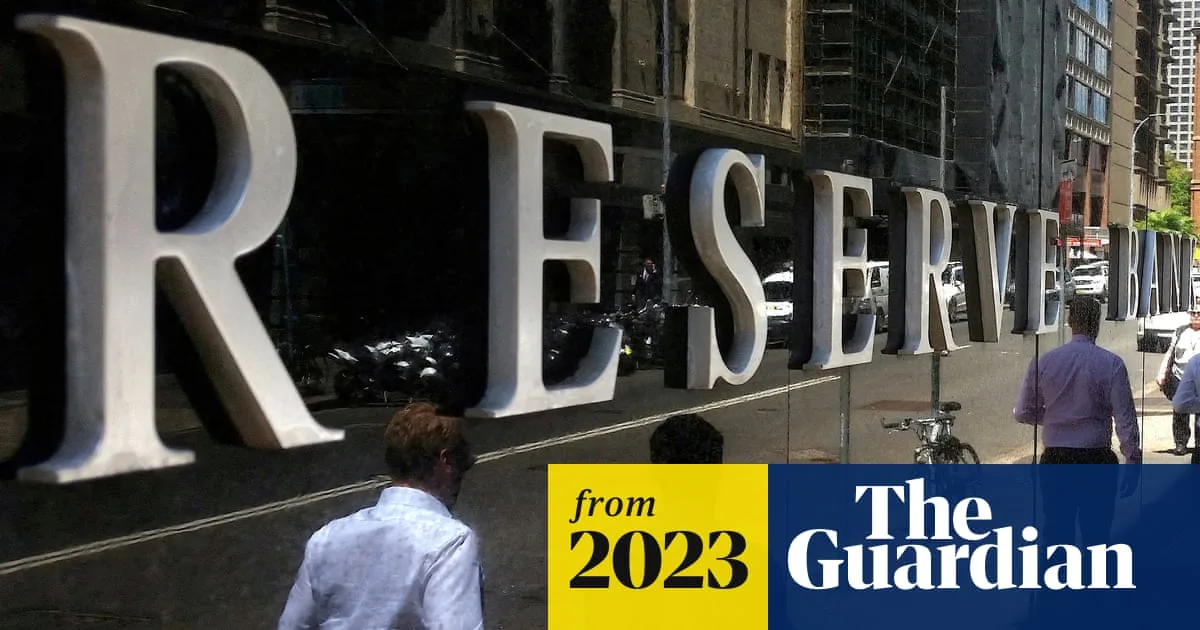
The Reserve Bank of Australia has taken decisive action in response to mounting inflationary pressures, announcing a quarter percentage point increase in its benchmark interest rate to 3.85%. This move marks a significant shift in monetary policy, coming after three consecutive rate cuts implemented throughout the previous year.

Policy Reversal Amid Inflation Concerns

Tuesday's decision represents the first rate hike since November 2023, when the cash rate climbed from 4.10% to 4.35%. The central bank's adjustment comes as government data revealed inflation accelerated to 3.8% for the twelve months through December, up from 3.4% in November. This upward trend has prompted concerns among policymakers about the persistence of price pressures within the economy.

Targeting Inflation Objectives

The Reserve Bank maintains a clear mandate to steer inflation toward its target band of 2% to 3%. In an official statement, the bank acknowledged that "inflation is likely to remain above target for some time," highlighting the challenges facing monetary authorities. While inflation has retreated substantially from its peak of 7.8% recorded in the final quarter of 2022, the statement noted a "material pickup" during the second half of 2025.

The bank's assessment of global economic conditions revealed mixed signals, noting that "uncertainty in the global economy remains significant" while acknowledging that "recent growth and trade in Australia's major trading partners has surprised on the upside." This complex international backdrop adds further complexity to domestic policy decisions.

Political and Economic Reactions

Treasurer Jim Chalmers characterised the rate increase as "difficult news" for millions of Australian households with mortgages and for businesses navigating tighter financial conditions. Chalmers directly addressed criticism suggesting government spending was fueling inflation, pointing instead to the bank's statement which identified growth in private demand driven by household spending and investment as primary contributors.

Unusual Policy Trajectory

The recent rate hike follows an unusual policy pattern, with the Reserve Bank having reduced the cash rate by 25 basis points in February, May, and August of last year. The February 2025 reduction marked Australia's first rate cut since October 2020, making the subsequent reversal within six months particularly noteworthy.

Cherelle Murphy, Chief Economist for EY Oceania, commented on this unusual trajectory, suggesting "there is certainly a possibility here obviously, that last rate cut wasn't needed." Murphy acknowledged the difficulty of such decisions in real-time, noting that "to be fair to the Reserve Bank, that was not obvious at all at the time" as inflation figures appeared to be declining steadily.

Economic Indicators and Future Outlook

Recent economic data reveals a complex picture. Annual inflation declined from 2.4% in the March quarter to 2.1% in June before rebounding to 3.2% in September. Meanwhile, Australia's unemployment rate fell from 4.3% in November to 4.1% in December, a development that Murphy described as surprising.

"It does seem like the economy is running a little bit too hot," Murphy observed, adding that she "certainly wouldn't rule out another rate hike later in the year." This assessment suggests that monetary authorities may need to maintain a vigilant stance against inflationary pressures in the coming months.

The Reserve Bank's decision reflects the delicate balancing act facing central bankers worldwide as they navigate post-pandemic economic recovery, global uncertainties, and domestic price stability objectives. With inflation proving more persistent than anticipated and employment figures showing unexpected strength, Australian monetary policy appears poised for continued scrutiny and potential adjustment.